Something has gone wrong with the stories we tell ourselves.
Not all stories. Not always. But in the mainstream cultural conversation that shapes how a society understands what a human life can mean — what to aspire to, what to endure, what it looks like to hold to something real under pressure — a coherent model of heroism has largely disappeared. In its place: deconstructed anti-heroes whose flaws are the point, franchise spectacle where moral stakes are cosmetic, and a pervasive creative logic that treats cynicism as sophistication and idealism as something only naive people still believe in.
The consequences of this are not subtle. They show up in the data on depression, loneliness, and purposelessness that characterises early 21st-century Western life. They show up in the specific kind of lostness that is not poverty or illness or grief, but the sense that nothing one does connects to anything larger than oneself. Viktor Frankl called this the existential vacuum. He identified it as the defining psychological crisis of the modern era. He was writing in the 1940s. He had no idea how much worse it would get.
This document is about a museum. But it is also about something that the museum is a response to — a cultural moment that has created a specific kind of hunger that neither entertainment nor therapy is addressing, and that one honest heritage building in the Latrobe Valley of Victoria is unusually well placed to help feed.
What We Lost and When
There is a children’s television program from the 1980s that illustrates the shift more precisely than most academic analysis. He-Man and the Masters of the Universe was, by any conventional measure, commercial product — a toy franchise with a cartoon attached. But its makers did something that seems almost incomprehensible from the vantage point of contemporary children’s media: at the end of every episode, the characters stepped out of the story and addressed the viewer directly. They explained what the episode meant. They named the value it demonstrated. They trusted, completely and without irony, that a child who had just watched a story could be told its moral and be changed by it.
Those segments were not naive. They were an act of cultural confidence — confidence that values are real, that stories are a vehicle for them, and that the audience is capable of receiving a moral proposition and carrying it forward into their own life. That confidence is what has largely evaporated from the dominant storytelling culture. It has been replaced by a kind of perpetual deconstruction that trusts nothing and models nothing, and that leaves its audience — particularly its young audience — without a vocabulary for aspiration.
The question is not whether we have lost our heroes. The question is whether we have lost our confidence in telling honest stories about people who tried to be good.
People did not stop wanting models. The hunger for them is visible everywhere — in the extraordinary response to stories that do offer moral architecture, in the ongoing global appetite for accounts of people who held to something under pressure and changed the world because of it. What has collapsed is not the demand. It is the supply. Specifically, the willingness to supply it without immediately hedging, deconstructing, or preemptively ironising the enterprise.
The result is a cultural paradox: a society with more access to stories than any in human history, and less moral imagination than many that came before it. More content. Less courage. More narrative. Less meaning.
Why Honest Heroes, Not Perfect Ones
The answer to the loss of heroic models is not a return to hagiography. Sanitised heroes are not honest heroes, and honest heroes are the only kind that actually work. A person who appears flawless under pressure is not relatable — they are furniture. A person who is genuinely tested, who fails sometimes, who carries contradictions, and who nonetheless holds to a set of values under conditions that would have broken most of us: that is a model. That is someone whose story does something to you.
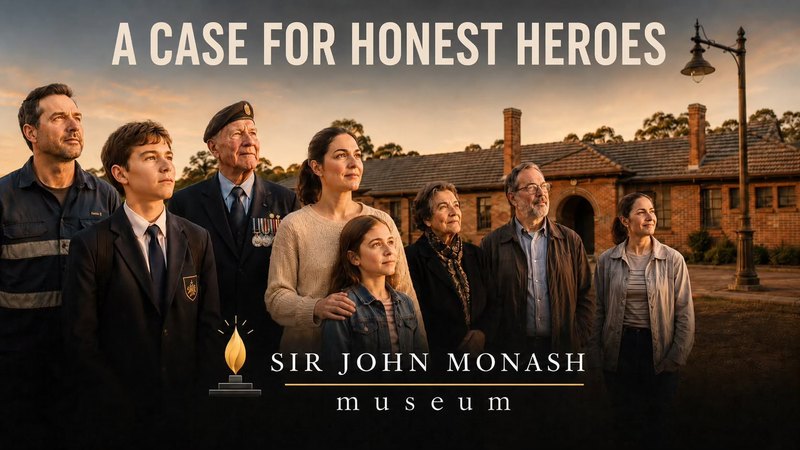
The distinction matters enormously for the museum this document introduces. The Sir John Monash Museum at the Yallourn Production Centre is not proposing to tell a fairy story. It is proposing to tell an honest one. And Monash’s life is honest in ways that the sanitised version of Australian heroism has consistently obscured.
He wrote privately that he loathed warfare “with a loathing I cannot describe — the awful horror of it, the waste, the destruction and the inefficiency.”
He then planned the Battle of Hamel so precisely that it was over in 93 minutes. Three minutes over his allocated 90.
That is not despite the loathing. That is because of it.
That is what Pikuach Nefesh — the sanctity of individual life — looks like when it is operational.
He endured three years of poverty after a bridge he built collapsed and killed a man. Rather than contest liability, he rebuilt it at his own financial ruin. That bridge still carries traffic today, more than 120 years later. That is what Tikkun Olam — the obligation to repair the world — looks like in practice.
He faced a coordinated campaign to remove him from command of the Australian Corps at the height of the First World War. The campaign was motivated, in significant part, by antisemitism. He described it in a letter to his wife as “a pogrom” — deliberately connecting it to the mob violence his ancestors had known in the Prussian province of Posen. He then performed the Battle of Hamel. The Prime Minister who had arrived to dismiss him watched the battle unfold and changed his mind. That is what the Outsider Who Prepares Twice as Hard looks like when the moment arrives.
These are not myths. They are documented. The letters exist. The bridge still stands. The battle records are in the Australian War Memorial. The story is honest because it has to be — because the evidence is still there.
The Values at the Root of Achievement
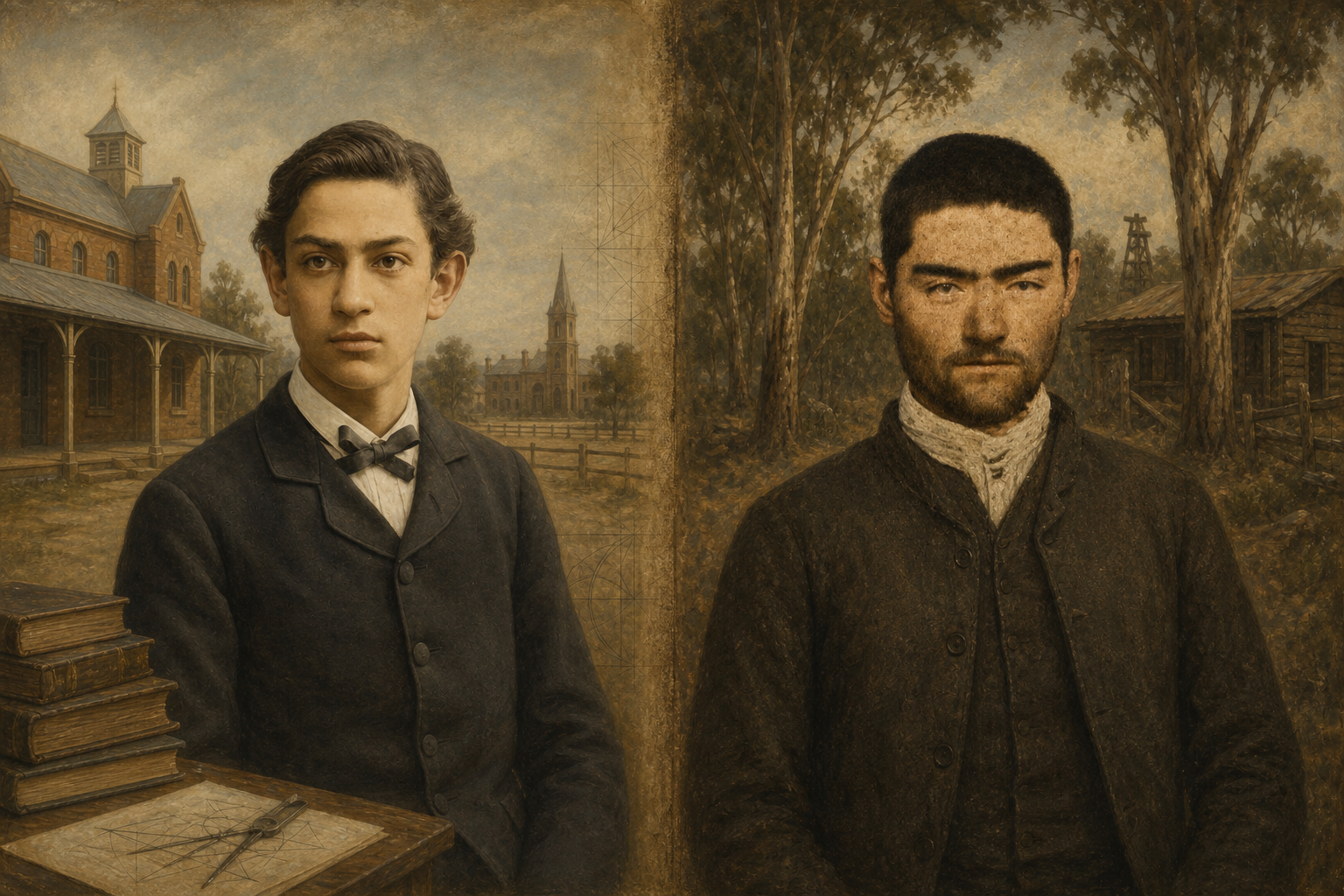
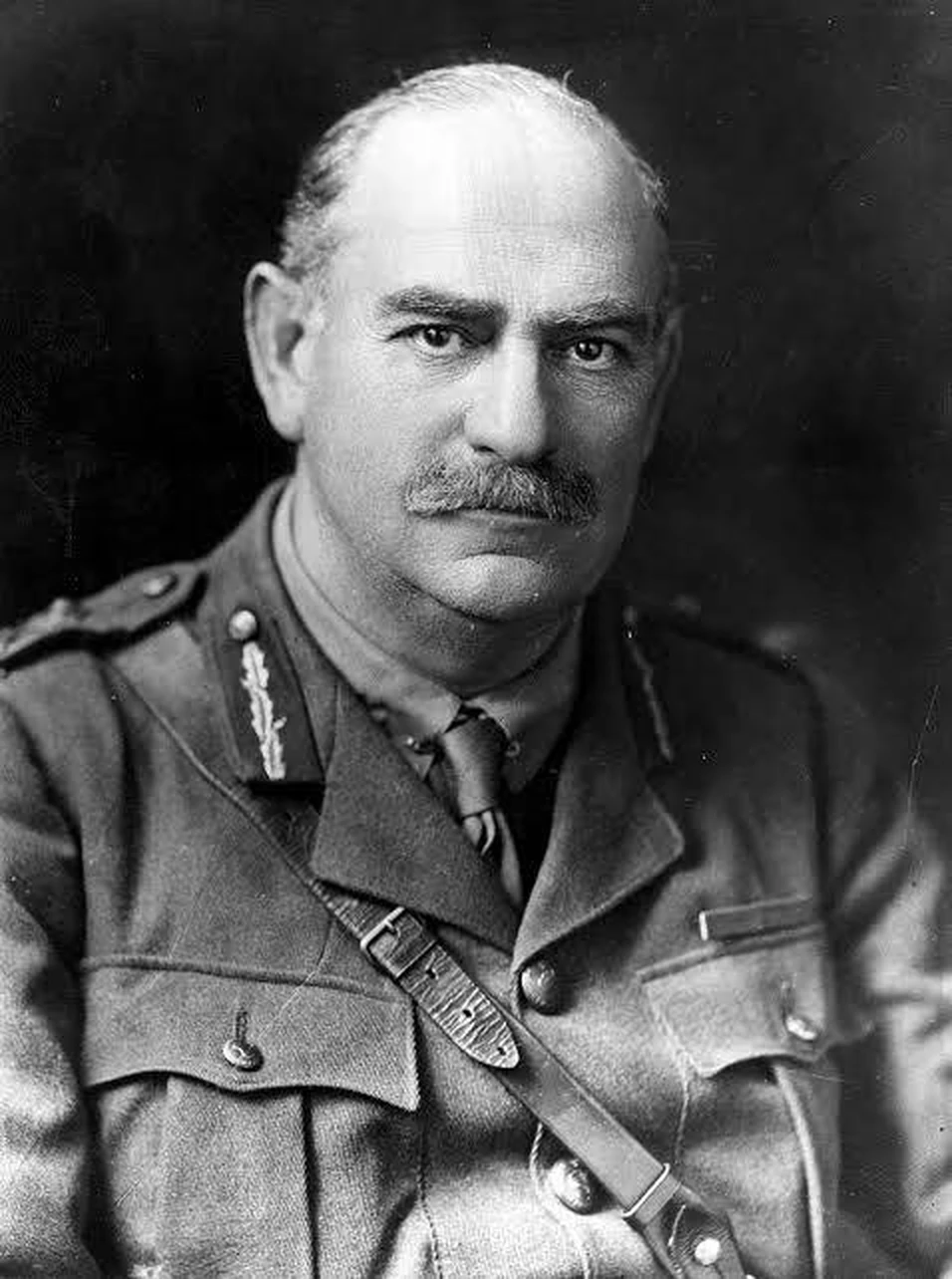
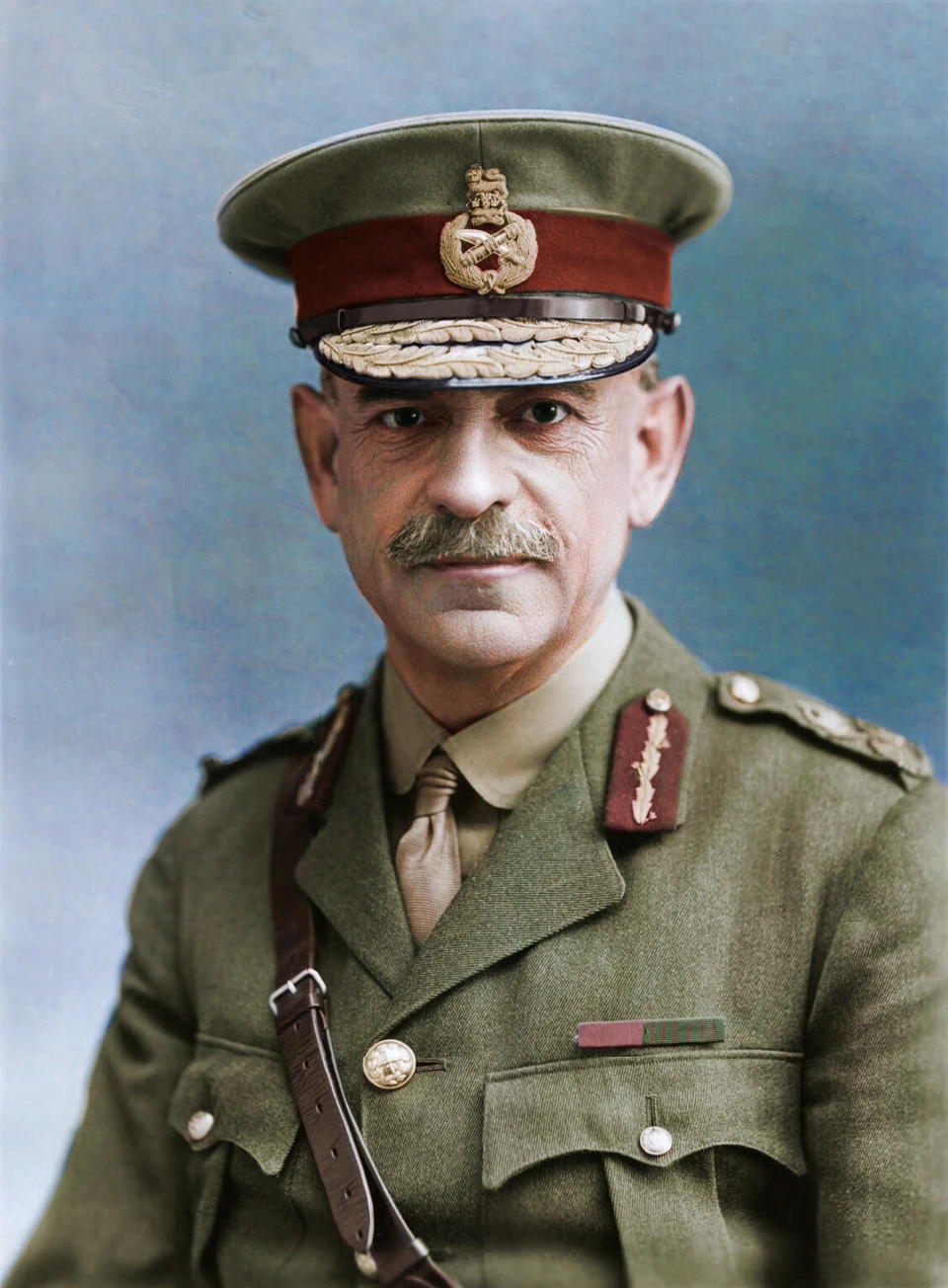
Monash was the son of Jewish immigrants from the Prussian province of Posen. His great-uncle by marriage was the historian Heinrich Graetz. His bar mitzvah gift was a copy of Graetz’s monumental history of the Jewish people — in French, a language the thirteen-year-old already spoke. At his bar mitzvah he received the personal creed he would carry for the rest of his life, drawn from Ecclesiastes 9:10: “Whatsoever thy hand findeth to do, do it with thy might.”
The museum proposes something that no heritage institution in the world currently does. It examines the five universal drivers that appear consistently in the lives of people who change the world — orientations toward what remains undone, toward first principles, toward the weight of individual lives, toward the community, and the lived experience of exclusion turned into preparation — and it names them in the specific form Sir John Monash received them. Not as biographical background. Not as persecution narrative. As the documented values system, articulated in Hebrew because that is the language in which he was given them, that produced his decisions across sixty years of engineering, warfare, and civic life.
Tikkun Olam — repair the world. Pikuach Nefesh — the sanctity of individual life. Chovat HaSechel — the obligation to reason, to question the accepted answer and go back to first principles. Arvut Hadadit — mutual responsibility, community before self. These are universal drivers articulated in the form one Australian carried for a lifetime. They are not abstract propositions. They are documented, evidenced, verifiable in the specific decisions Monash made at specific moments that are still legible in the historical record.
The principles that drive people who change the world are universal. Monash received them in the form his Jewish heritage gave him, and carried them for sixty years.
The question the museum poses to every visitor is not: was Monash Jewish? The question is: what drives a person who changes the world, what did those drivers look like in the form Monash received them, and are the principles behind them available to you?
The answer the museum gives is yes. They always were. The principles behind the drivers belong to anyone willing to use them. The thread runs from a bar mitzvah in East Melbourne in 1878 to a bridge still standing in Bendigo, a power grid that kept Victorian homes lit for six decades, a battle won in 93 minutes without unnecessary deaths, a garden city planned for workers on a brown coal frontier. The Hebrew names honour the tradition that gave them to him. The thread is still available to you. That is what the museum is for.
The Building That Is Still Standing
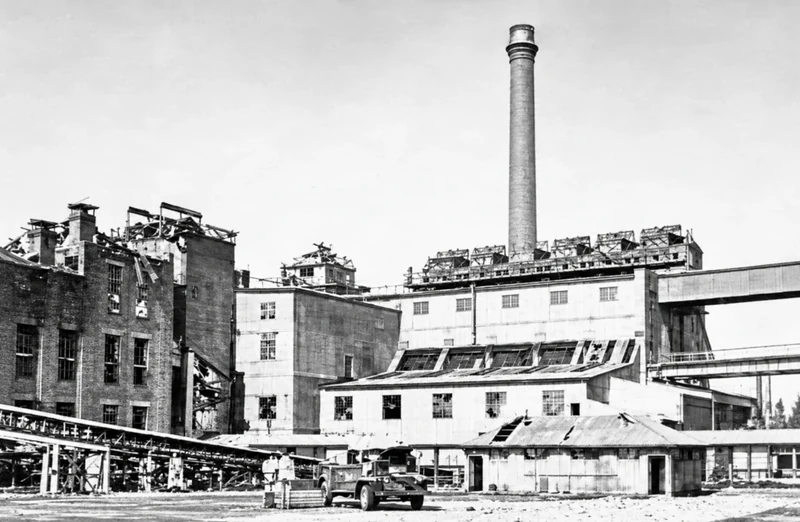
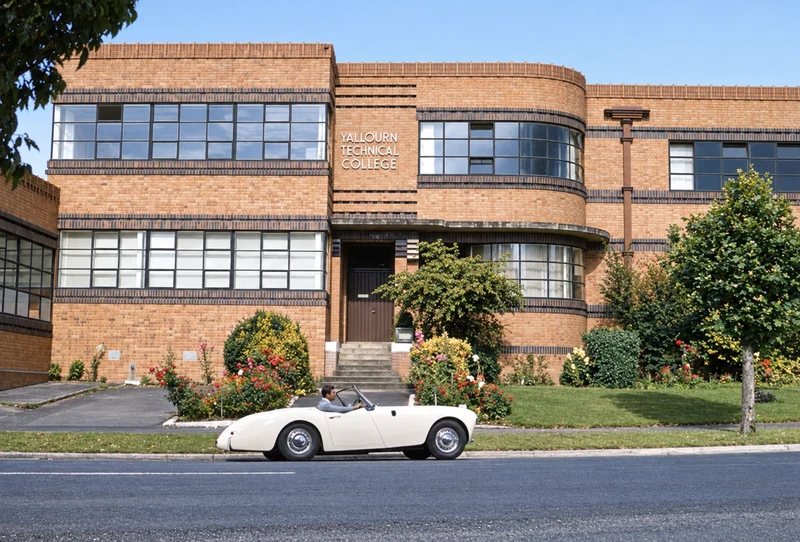
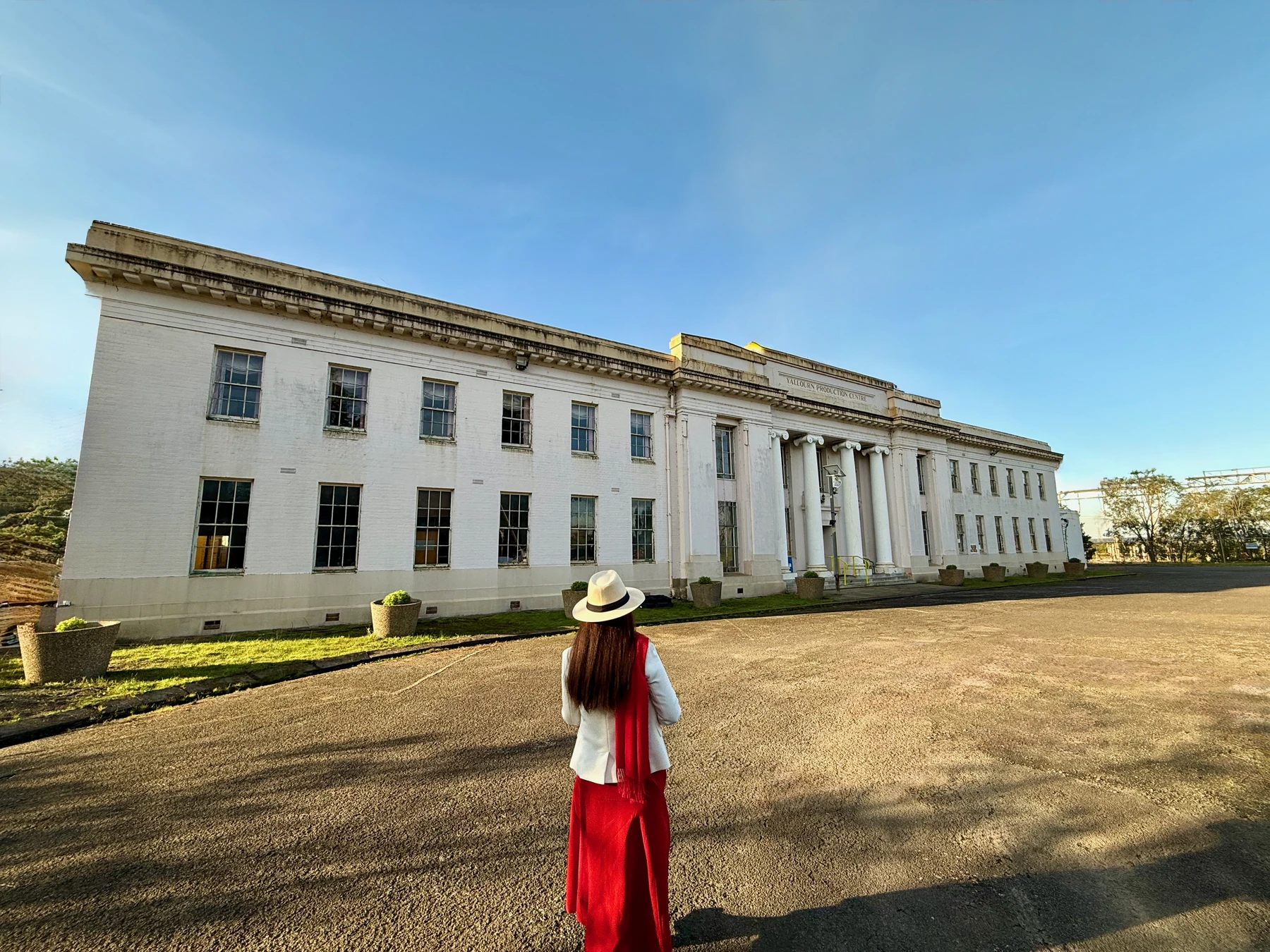
The Yallourn Production Centre was built in 1922 to house the administrative operations of the State Electricity Commission of Victoria. Monash oversaw it. He worked in it. His office is on the upper floor. The first permanent electricity generated from brown coal reached Melbourne from this site on 15 June 1924. The building gave Victoria the cheapest electricity in the world for six decades.
The connection is not interpretive convenience. It is literal. The building is listed on the Victorian Heritage Register. It is the only intact building in Australia where Monash worked at length after the war. His presence in it is not a metaphor. It is a physical fact. And it is still standing, in Latrobe City, waiting.
The museum proposed for this building will be, after systematic global research, the first in the world to simultaneously offer a dedicated single-subject biography housed in the subject’s actual workplace, frame a Jewish ethical tradition by name as the source code of secular achievement, use a structured values-transfer architecture designed to make those values personally available to visitors, and incorporate a dedicated wellness-resilience space as a founding pillar of the visitor experience.
No museum anywhere in the world currently does all five of these things at once.
The square is empty.
The building that fills it is in Latrobe City, Victoria.
The proponent is Eden of the East Foundation Inc.
What the Museum Does for a Visitor
A visitor arrives at the Yallourn Production Centre and is asked, before they see anything else, a single question: “What shapes a person who changes the world?”
The museum answers it. Through six narrative threads, across 1,000 square metres of interpretive experience, through Monash’s own words in letters and orders and public addresses, through the engineering drawings and battle maps and garden city plans that are the physical evidence of his values in action, the visitor encounters five principles: Tikkun Olam, Pikuach Nefesh, Chovat HaSechel, Arvut Hadadit, and The Outsider Who Prepares Twice as Hard.
They encounter them first as history. Then as pattern. Then, in the dedicated Values Space near the exit — a room designed for exactly this purpose — as something personal. The antisemitic campaign against Monash is named there, in full, with his own word: pogrom. The bridge rebuilt at his own ruin is there. The 93-minute battle is there. Not as exhibits. As evidence of what it looks like when values are tested and the thread holds.
And then the visitor is asked, before they leave: “What will you do with them?”
That is the moment where a heritage experience becomes a cultural intervention. That is the moral at the end of the episode. That is the thing the current storytelling culture has largely stopped trusting itself to offer.
This museum offers it.
An Invitation
The world does not need a museum that tells people Sir John Monash was great. It needs a museum that makes the values that made him great available to anyone who walks through the door — regardless of background, age, faith, or prior knowledge of who he was.
It needs this because a society that has lost its models of honest heroism is a society in which people are navigating the most difficult questions of how to live without any examples they can trust. It needs this because the documented evidence on meaning, purpose, and mental health makes clear that admired models — people whose lives demonstrate that values produce outcomes — are among the most protective factors against the specific forms of despair that are currently epidemic.
It needs this because Monash’s story is honest. Because the building is still standing. Because the values are documented and verifiable and available. And because nobody has built this museum yet.
The Sir John Monash Museum at the Yallourn Production Centre is an invitation.
To community members, to donors, to government partners, to cultural institutions, to schools,
to anyone who has looked at the current cultural moment and felt the absence of something:
Come and help build the museum that fills it.
The thread is still there.
It is waiting for hands.
ABOUT THE AUTHOR
Damian Andrews
Damian Andrews is a former member of the Australian Army, posted to the Special Air Service Regiment, originally raised in Yallourn North — the historic settlement neighbouring the planned town of Yallourn that Monash built, and one of the oldest communities in the Latrobe Valley. He spent much of his adult life in Melbourne, including nine years in corporate recovery and insolvency management, then running his own consultancy while living in Toorak, before returning to the region in 2024. He is the founder and President of Eden of the East Foundation Inc. — a registered charity and the proponent organisation for the Sir John Monash Museum — and the originating force behind the museum’s five-value interpretive framework, the Golden Thread Brief, and the Case For Honest Heroes Manifesto.
Following his ADF service, Damian spent nine years in corporate recovery and insolvency management in Melbourne, developing the forensic analytical discipline, negotiation skills, and systemic thinking that have defined his career ever since. He operated his own consulting practice and lived in Toorak. His experience includes commercial and dispute resolution across some of Australia’s most significant infrastructure projects, including the $1.8 billion New Royal Adelaide Hospital, the $900 million McArthur Wind Farm, the $801 million Stock Yard Hill Wind Farm, and the Olivia Newton-John Cancer Wellness Centre. His studies include Bachelor of Commerce (University of Melbourne - Accounting and Law), Bachelor of Business (RMIT), Diploma of Project Management, and CERT IV Training and Assessment.
The decision to leave Melbourne and relocate to Moe in the Latrobe Valley was deliberate and values-driven. Damian applied the skills developed in business turnaround and corporate recovery to a different kind of problem: lifting a region. The analytical framework is the same — diagnose the structural weakness, identify the anchor asset, build the strategy around it, and do the work that others find too slow or too hard. Eden of the East Foundation’s strategy targeting one million overnight visitors to Latrobe City by 2036 is the regional equivalent of a business recovery plan. The Sir John Monash Museum at the Yallourn Production Centre is an anchor asset.
His published works include Get Sh*t Done, Get the Cheese, Startup Success, and Charting True North: Authentistic Leadership (co-authored with Jaclyn Strominger). He co-hosts two programs on 104.7 Gippsland FM, leads LEGO Addicts Anonymous and the Bricks and Giggles community programs, and is driving the Yallourn Botanic Garden development. The museum project is his initiative, carried under the banner of Eden of the East Foundation Inc.