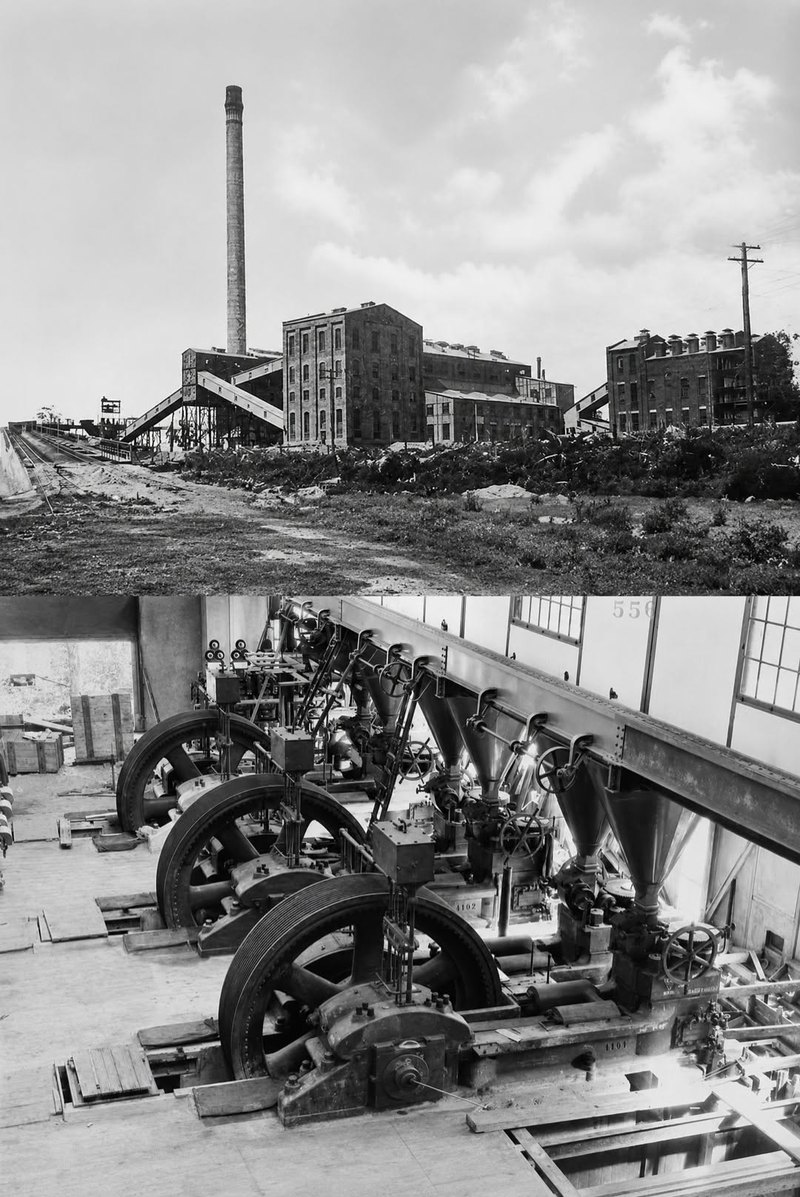
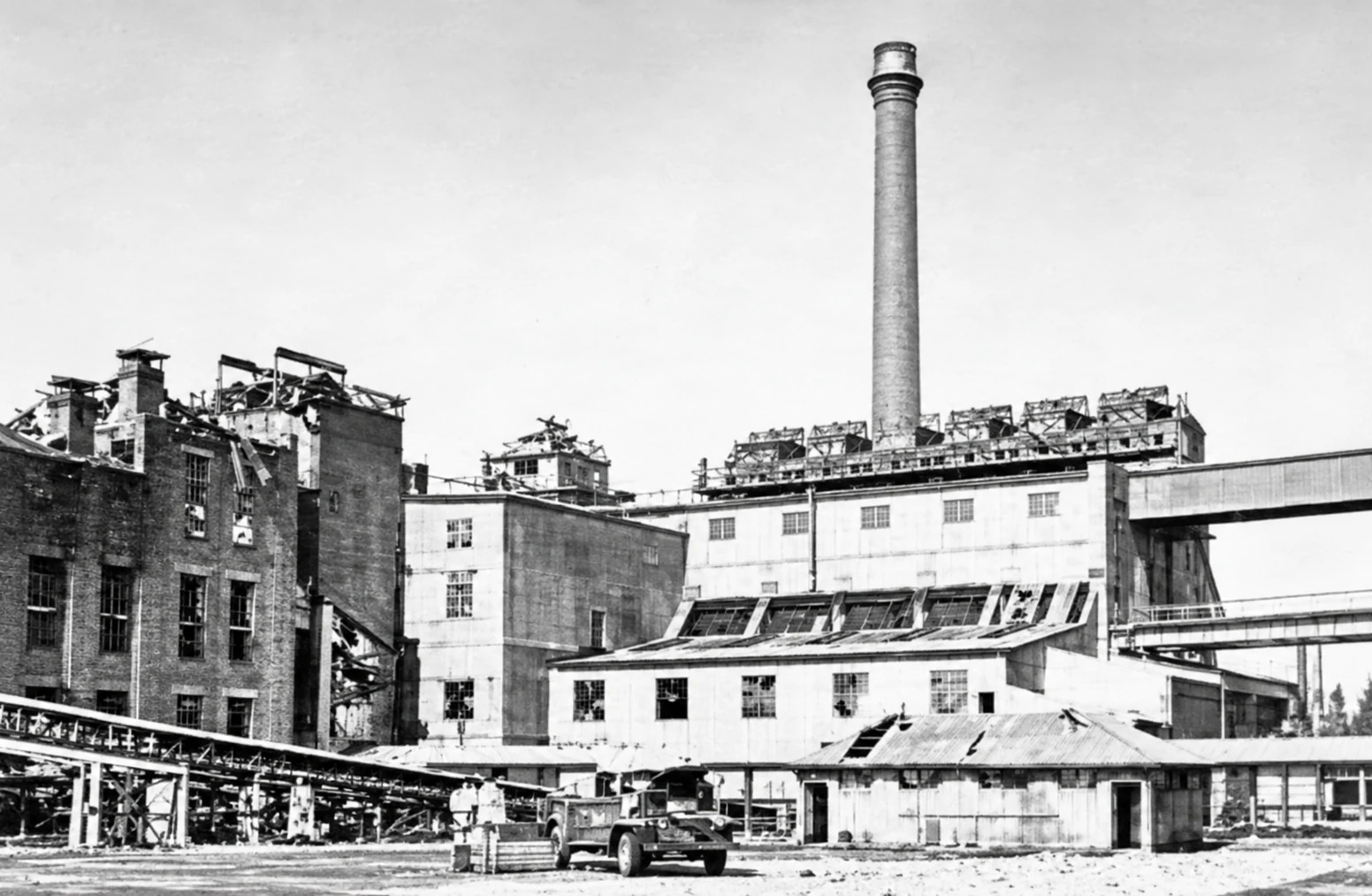
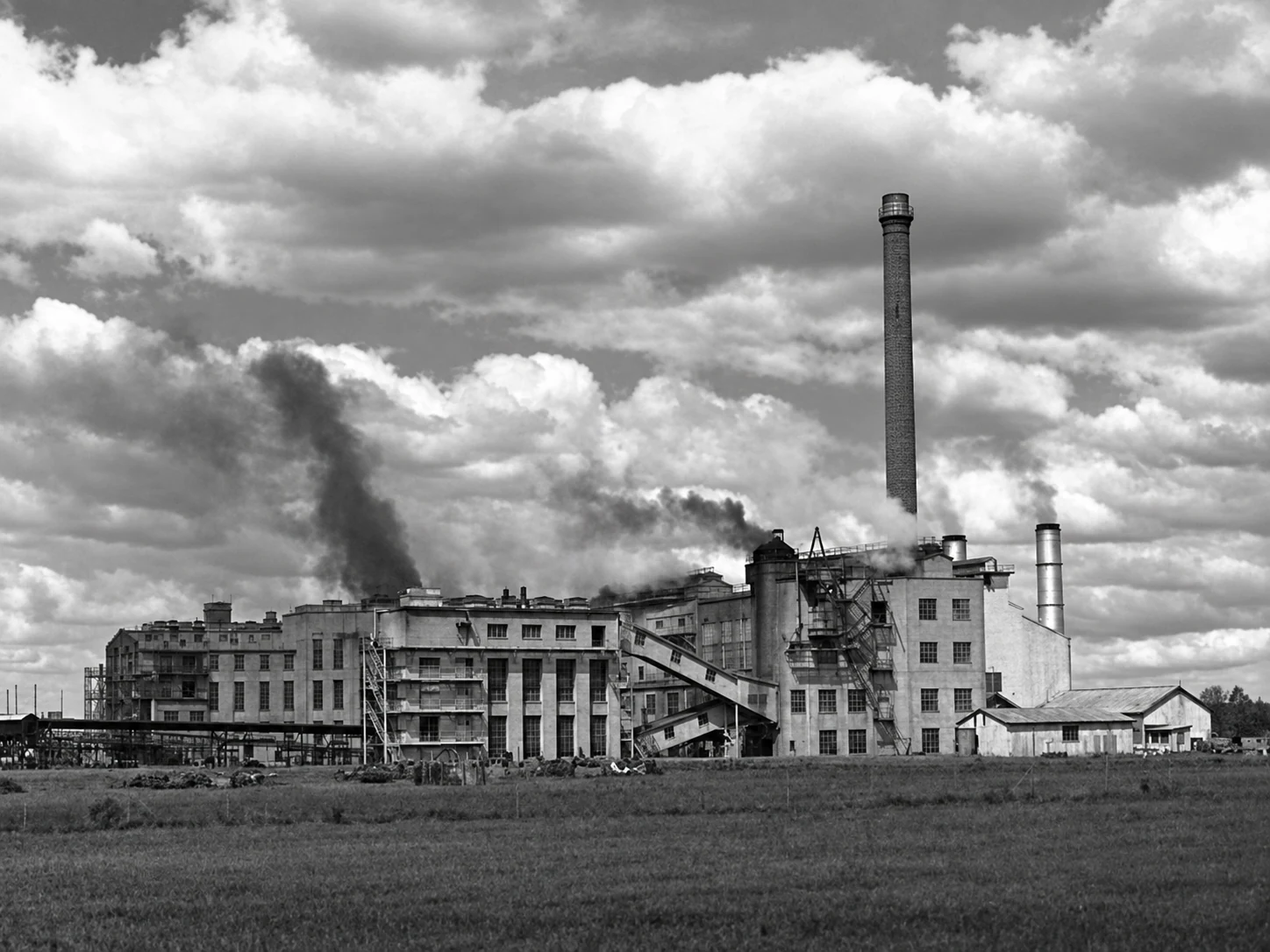
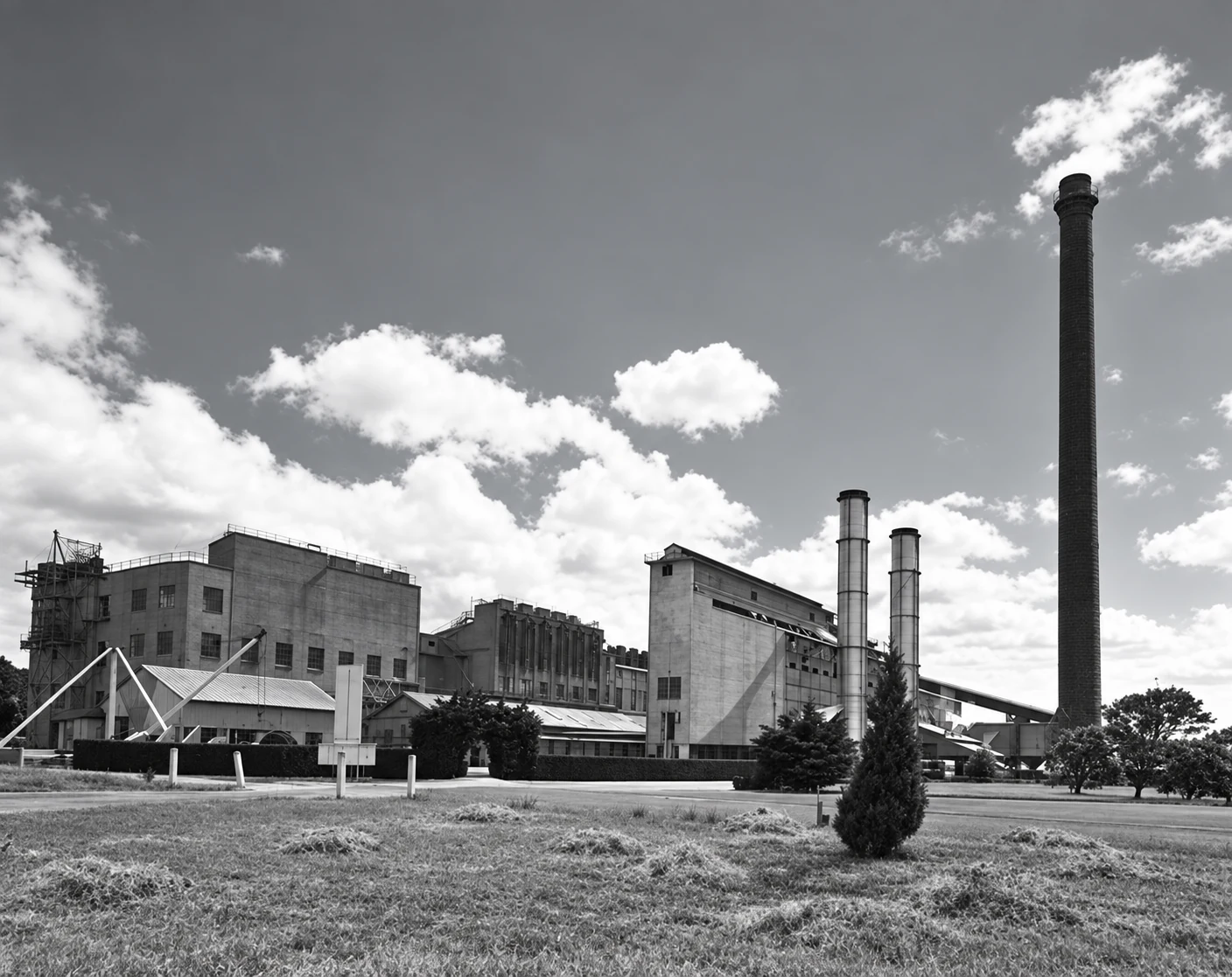
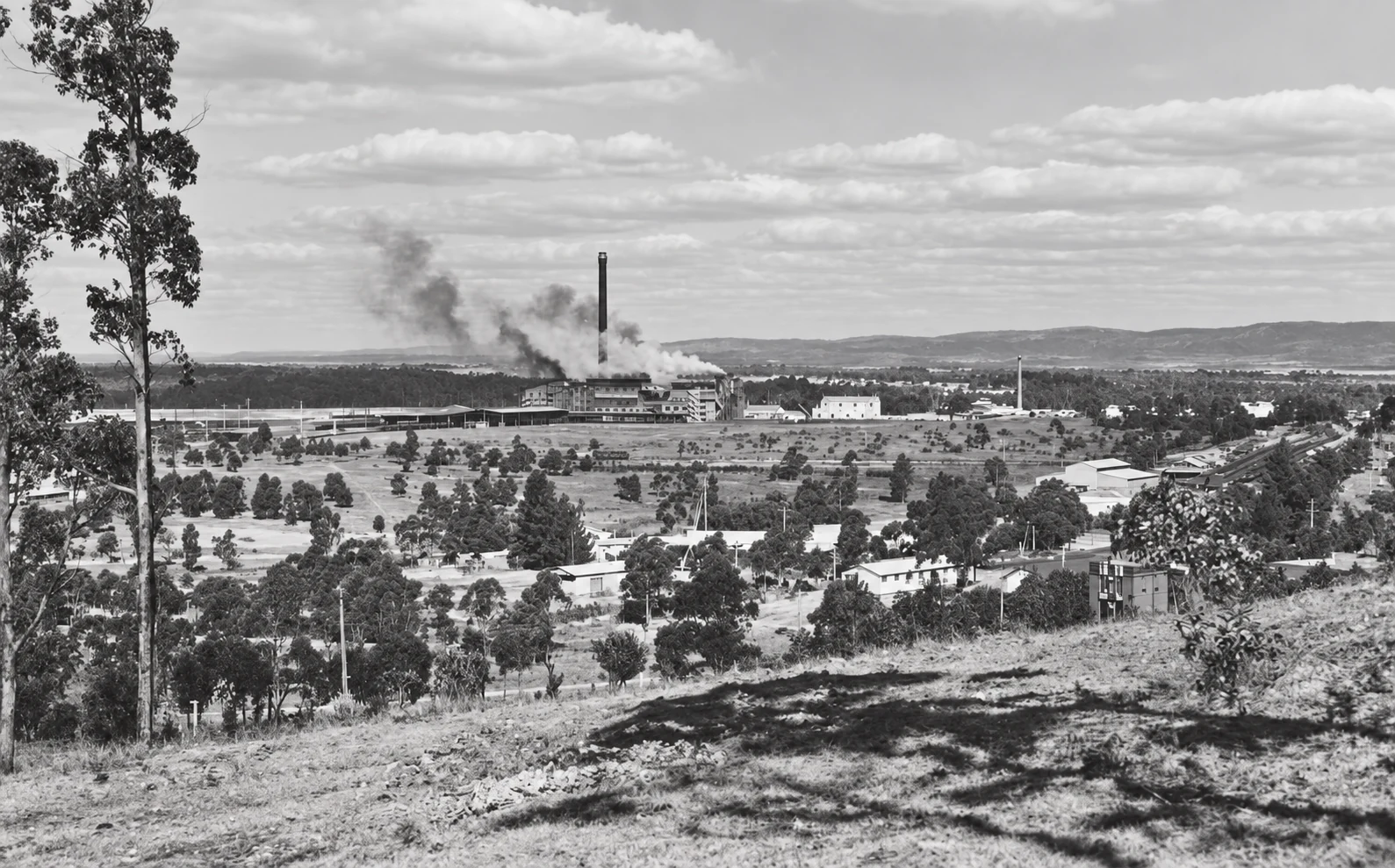
At 3:48 on Thursday 26 March 1953, an explosion tore through the Yallourn briquette works. Its force buckled heavy steel shutter doors, twisted iron roofing and shattered scores of windows. Flames rose above the building. Fire crews spent about five hours bringing the burning brown coal under control. The blast broke shop windows half a mile away and damaged houses farther from the works.
The explosion struck during a change of shift. Desmond O'Brien, a dust extractor standing within two feet of the drum screen, told a reporter that he saw a blinding flash. His arm was burned. He and other men moved towards the controls to shut down the plant, but a series of blasts was already travelling through the factory.
The blast killed conveyor attendant John Henry Longstaff, aged 48. He was taken to hospital and died shortly after seven o'clock that evening. Thirteen other workers were injured. Four were reported as seriously injured: greaser Nathaniel Frederick Lucas, foreman Albert Llewellyn Vickery, electrical plant attendant Herbert Norman Clarke and truck driver Reginald Daniel Cullenane. Janos Groza was also admitted to hospital in a satisfactory condition.
The response spread quickly through the works and beyond it. The SEC fire brigade, the factory brigade and rescue squad carried injured men to safety. Ambulances took them to Yallourn Hospital. Red Cross drivers Nola Love and Molly Elder rushed blood plasma and serum from Melbourne.
The State Electricity Commission's annual report recorded the human and industrial cost: one worker dead, four seriously injured and 16,700 tons of briquette production lost. It also placed on record the Commission's appreciation for the emergency response, including the work of the hospital staff.
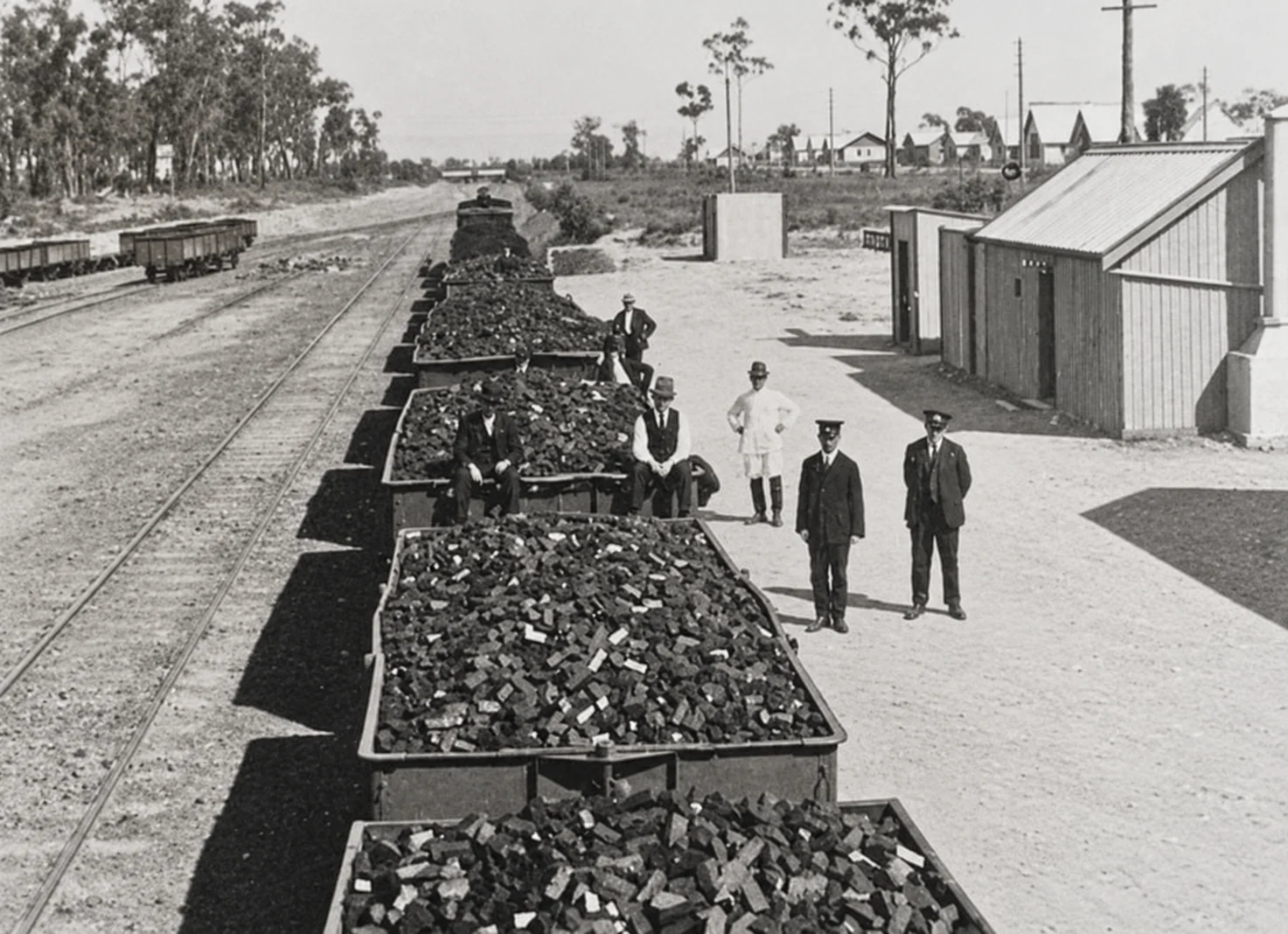
Those figures belonged to a much larger undertaking. In the financial year of the explosion, the works produced 544,973 tons of briquettes: hard fuel made from wet Victorian brown coal for homes, factories, railways and power stations. The works also supplied electricity to the state system and pulverised fuel to Victorian Railways.
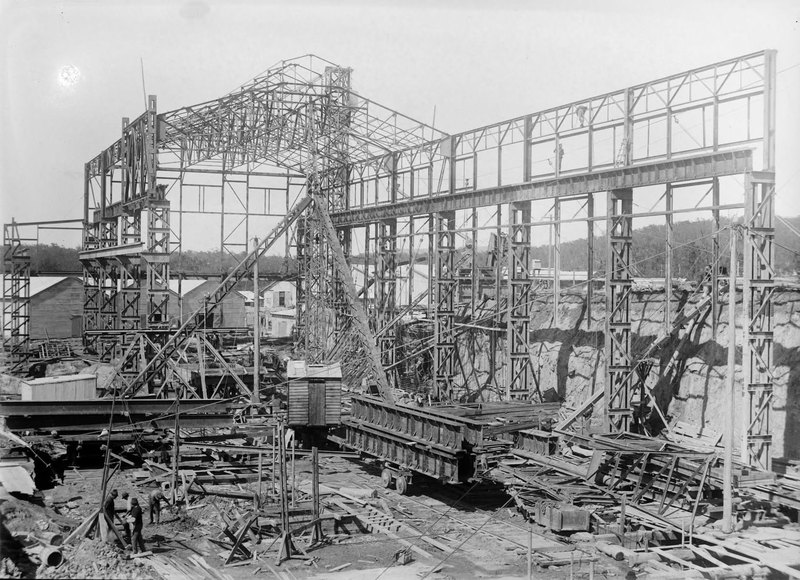
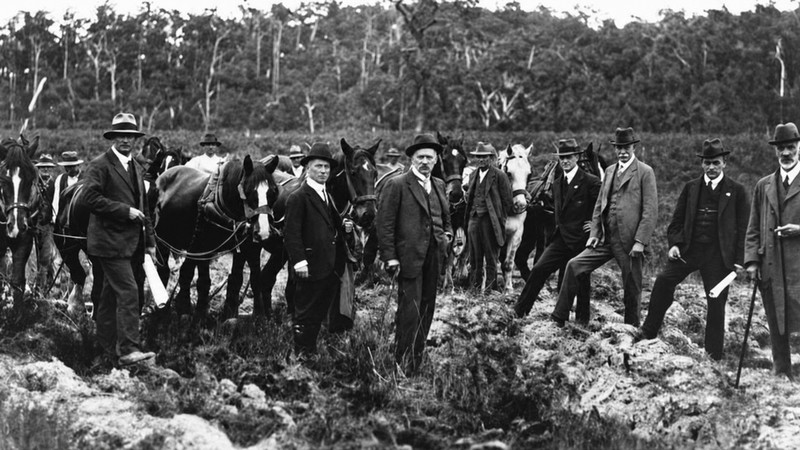
The works formed part of the system Sir John Monash and the first State Electricity Commission had established more than three decades earlier. By 1953, Yallourn's output reached far beyond the factory gates. Briquettes warmed houses, fed industry and helped supply electricity. An accident inside the works could touch workers and families in the town while interrupting services across Victoria.
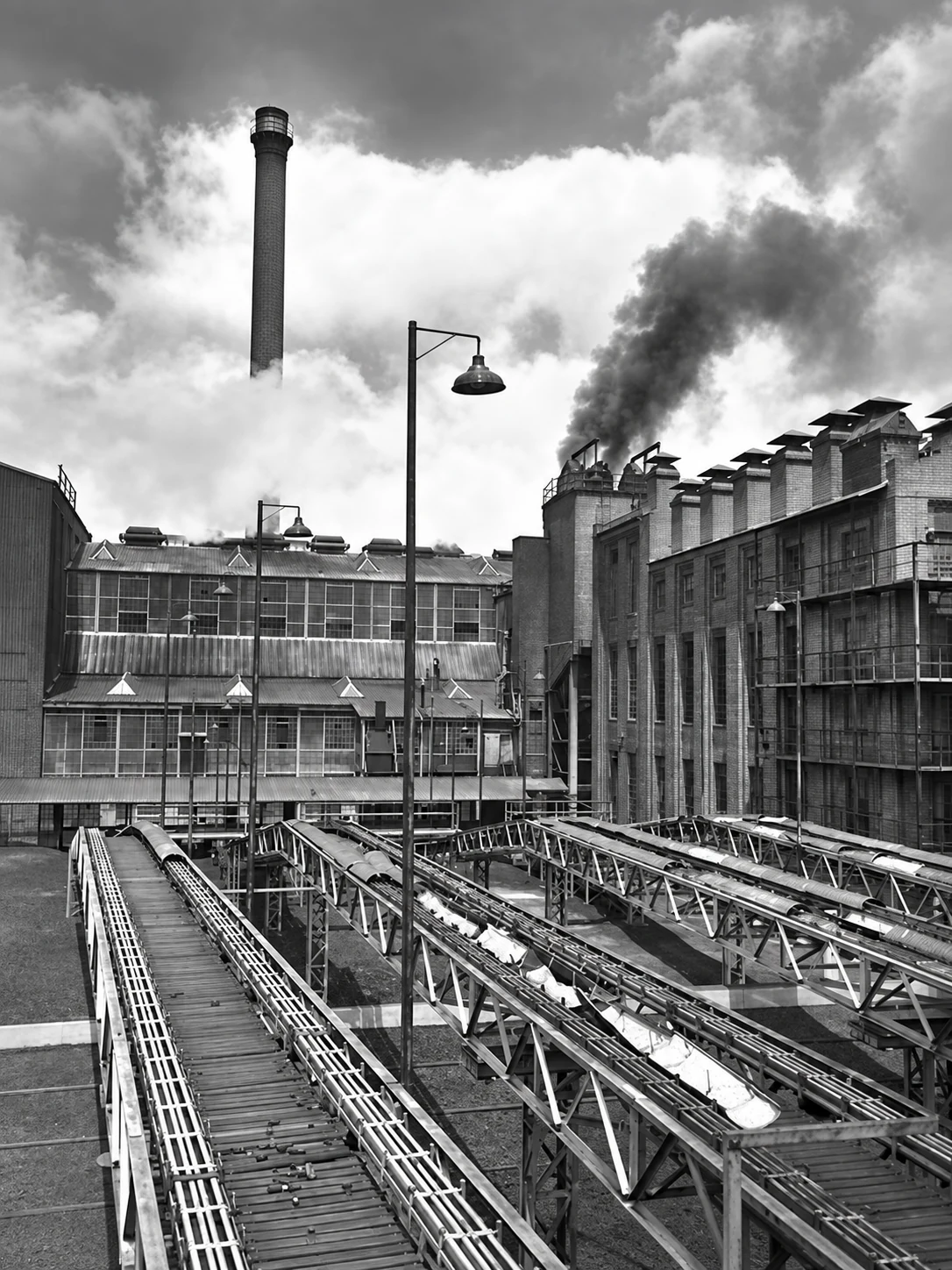
Brown coal arrived at the factory with a high moisture content. The briquetting process dried and compressed it, producing fine coal dust that could become suspended in the air and explode if ignited. Screens, crushers, conveyors and presses formed a connected sequence. A fault in one part could carry force, flame and dust through the rest of the plant.
The Victorian Government announced that independent technical experts would investigate the cause and the future safety of employees. Detectives and a Commonwealth explosives expert also went to Yallourn. The immediate reports offered an early theory of spontaneous combustion. Evidence heard over the following weeks challenged that first explanation.
The question facing investigators was precise and difficult: what had ignited the dust?
Coroner B. Hamilton heard evidence over three days before giving his finding on 28 May. Plans, photographs, pieces of wire and metal parts were among the exhibits placed before the court. The evidence centred on conveyor S22 and a drum screen within the plant.
The machinery had been stopped while a hot bearing was replaced. When the plant restarted, the drum screen had made only a few revolutions before the first explosion. Witnesses examined what might have been present inside the conveyor at that moment.
One explanation involved a loose piece of wire from the drum screen. It had been found in the screw conveyor two days after the explosion. If it had wrapped around a shaft and rubbed or flailed against the metal casing, it might have produced enough heat or sparks to ignite suspended dust. Another explanation allowed for a small quantity of coal to have begun smouldering during the stoppage, then to have been disturbed and fanned when the machinery moved again.
The witnesses did not agree. Briquette production superintendent G. W. Elliott believed the loose wire had probably caused a spark. Works superintendent N. P. Bolger believed the wire had nothing to do with the explosion and looked instead to conditions associated with the restart. Operations overseer K. W. Godridge told the court he had inspected the screen by torch before the plant moved and found no sign or distinctive smell of burning brown coal.
The coroner found that Longstaff had died in a brown-coal-dust explosion. Reports of his finding identify friction or sparking from loose wire as the more likely explanation. The evidence did not establish the ignition source conclusively.
The inquiry also exposed a practical limit. Maintenance engineer Gilbert Monteath told the court that conveyor S22 could not be fully inspected because of its construction and could be redesigned to make every part accessible. The record does not show which changes were later adopted.
Repairs began on a three-shift basis. The factory returned to production in stages: C Factory resumed on 31 March, A Factory on 2 April and B Factory on 9 April. The speed of the recovery showed how important briquettes had become to Victoria. It also returned workers to the industrial system in which a colleague had died and others had been badly hurt.
Nearly three decades separated the explosion from the first Yallourn briquette plant of 1924. Monash did not live to see the accident. The workers, engineers, managers, investigators and hospital staff of 1953 inherited the consequences of an achievement that had outlived its founders.
John Henry Longstaff's name keeps a person at the centre of the engineering problem. Lucas, Vickery, Clarke, Cullenane, Groza and the other injured men give the production loss its human scale. O'Brien's movement towards the controls, the rescue teams entering the damaged works, the hospital staff receiving the injured and the Red Cross drivers bringing supplies from Melbourne show people acting for one another.
The Museum's Golden Thread reads these recorded actions through responsibility. The surviving evidence does not show that the people of 1953 used that language themselves.
Yallourn's briquette works was one of the great instruments of Victoria's industrial development. On 26 March 1953, that achievement carried a human cost. The inquiry left some questions unanswered and preserved a duty that still matters: to look directly at failure, to say what the evidence can support and to keep the people inside the system in view.
Achievement creates an inheritance. The question passed forward from 3:48 at Yallourn is what responsibility that inheritance asks of us.