In June 1918, that habit of making responsibility visible expanded across seven typed pages. The heading was direct:
SECRET. HAMEL OFFENSIVE. AGENDA.
The document moved through the coming operation piece by piece. Infantry. Artillery. Tanks. Machine-guns. Aircraft. Medical arrangements. Ammunition. Food. Water. Transport. Communications. Prisoners. The clearing of the battlefield.
Each entry represented a question that had to be answered before thousands of people moved into danger.
The final conference before the Battle of Hamel brought approximately 250 officers together to work through 133 agenda items. It lasted four hours and 20 minutes. The battle that followed was expected to reach its objectives in 90 minutes.
It took 93.
Hamel was a village south of the River Somme, about 20 kilometres east of Amiens. The ground around it had acquired strategic importance during the German offensives of 1918. German forces holding the ridge could observe Allied positions and restrict movement between Villers-Bretonneux and the Somme.
The proposed operation had tightly defined purposes. It would straighten and shorten the Allied line, deepen the forward defensive zone, deny the Germans valuable observation ground and improve the position from which future operations could begin. Hamel village, Hamel Wood and Vaire Wood formed part of the objective.
Lieutenant General John Monash had taken command of the Australian Corps at the end of May. Hamel would be his first set-piece operation as corps commander. The assignment arrived after years in which Western Front attacks had consumed enormous numbers of lives for advances often measured in hundreds of metres.
Monash understood the battlefield as a connected system. Infantry, artillery, tanks, aircraft, engineers, medical services, transport and supplies all had to act in sequence. A failure in one part could expose people in another.
The agenda made those connections visible.
Monash had been making lists long before Hamel.
He prepared daily agendas, allocating time to individual tasks and leaving small allowances for work that overran. Completed items were crossed through. Vertical lines connected the completed marks. A gap signalled unfinished work, and the unfinished work headed the following day’s agenda.
The method reached into ordinary life. Before taking leave, he listed what he intended to pack and deleted each item as it went into his luggage. He catalogued papers, photographs and souvenirs so he could retrieve them when he needed them.
These surviving records show a practical purpose. A list held information outside the mind. It gave unfinished work a visible place. It allowed a person to return to a task without relying on memory or mood.
At Hamel, the same principle operated among hundreds of officers and thousands of soldiers. The conference agenda gave each branch of the operation a place on the page. It also gave the people responsible for those branches a shared instrument through which proposals could be questioned, refined and settled.
The plan developed through specialist knowledge. Tank officers, artillery officers, airmen, engineers, infantry commanders, medical staff and supply services contributed expertise. Conference followed conference as the operation became more detailed. The surviving agenda has a separate notes column because the document was built for decisions, amendments and action.
Monash’s strength lay partly in his ability to organise that expertise into one coherent operation.
The plan behind 93 minutes
The scale of the final agenda becomes clear through its range.
The infantry section dealt with sectors, objectives, brigade dispositions, approach routes, assembly, equipment, signals of success, headquarters and the work of securing positions already passed in the advance.
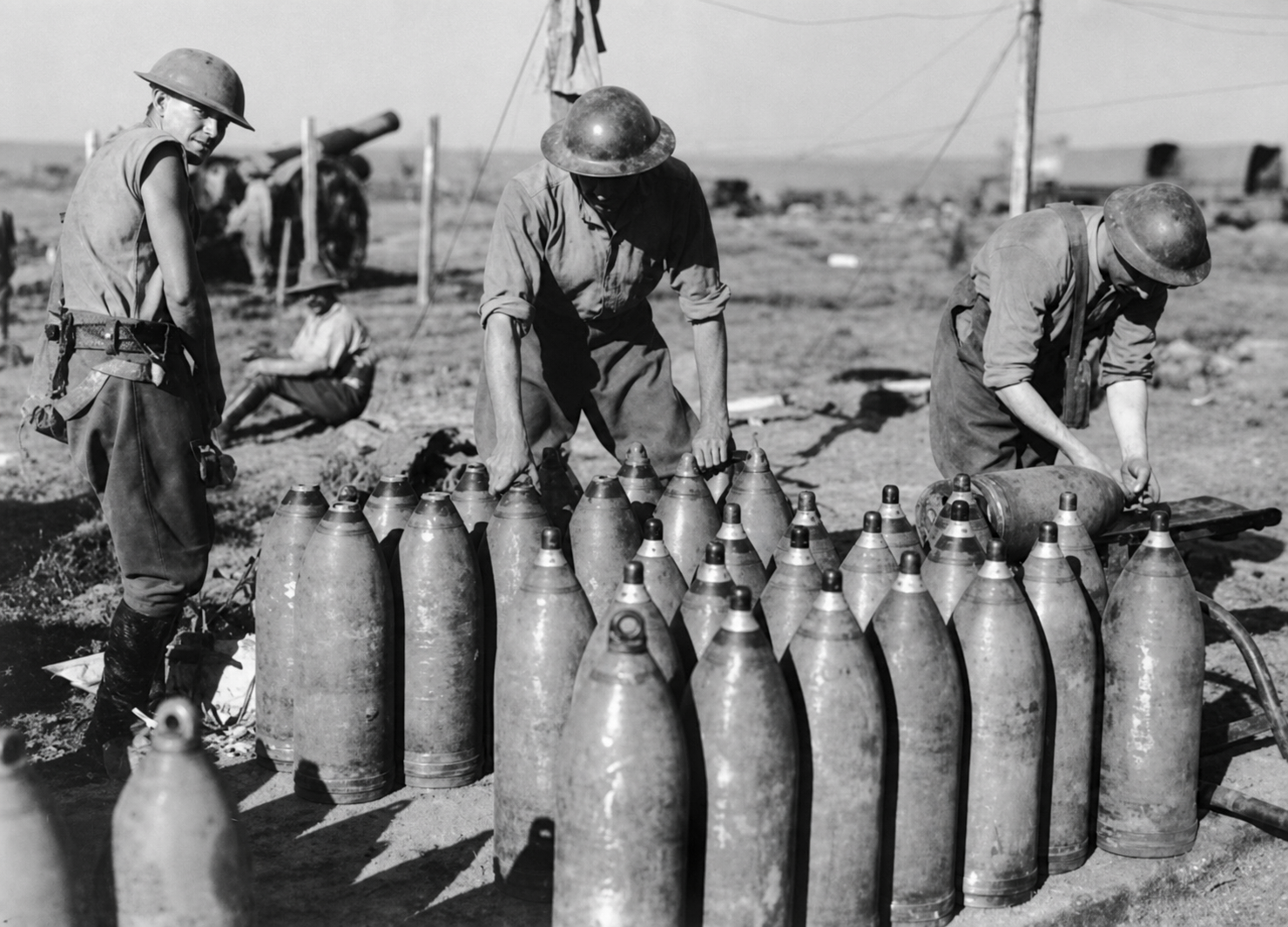
The artillery section covered registration, the opening of the barrage, its rate and lifts, smoke, high explosive and shrapnel, protective fire, maps, trench mortars, anti-tank guns and communications. The barrage had to move at a speed the infantry could follow. A mistimed lift could leave troops exposed. A shell falling short could strike the people it was intended to protect.
The tank section addressed training, cooperation with infantry, tactics, starting positions and orders. Earlier Western Front experience had given Australian infantry reason to distrust tanks. Machines had broken down, become stuck or failed to arrive when expected. At Hamel, tank crews and infantry trained together. Tanks were paired with battalions, and battalion insignia helped make those relationships identifiable.
Machine-gun planning included ammunition and spare barrels. Air planning included reconnaissance, bombing, contact with troops on the ground, the masking of tank noise and the delivery of small-arms ammunition. Administration included medical arrangements, engineers, food, transport, prisoners, spare Lewis guns and water.
Water belonged on the same agenda as artillery and tanks. So did the movement of wounded people. So did the supply of ammunition after the advance. The list placed the celebrated elements of battle beside the practical responsibilities that allowed people to survive and continue.
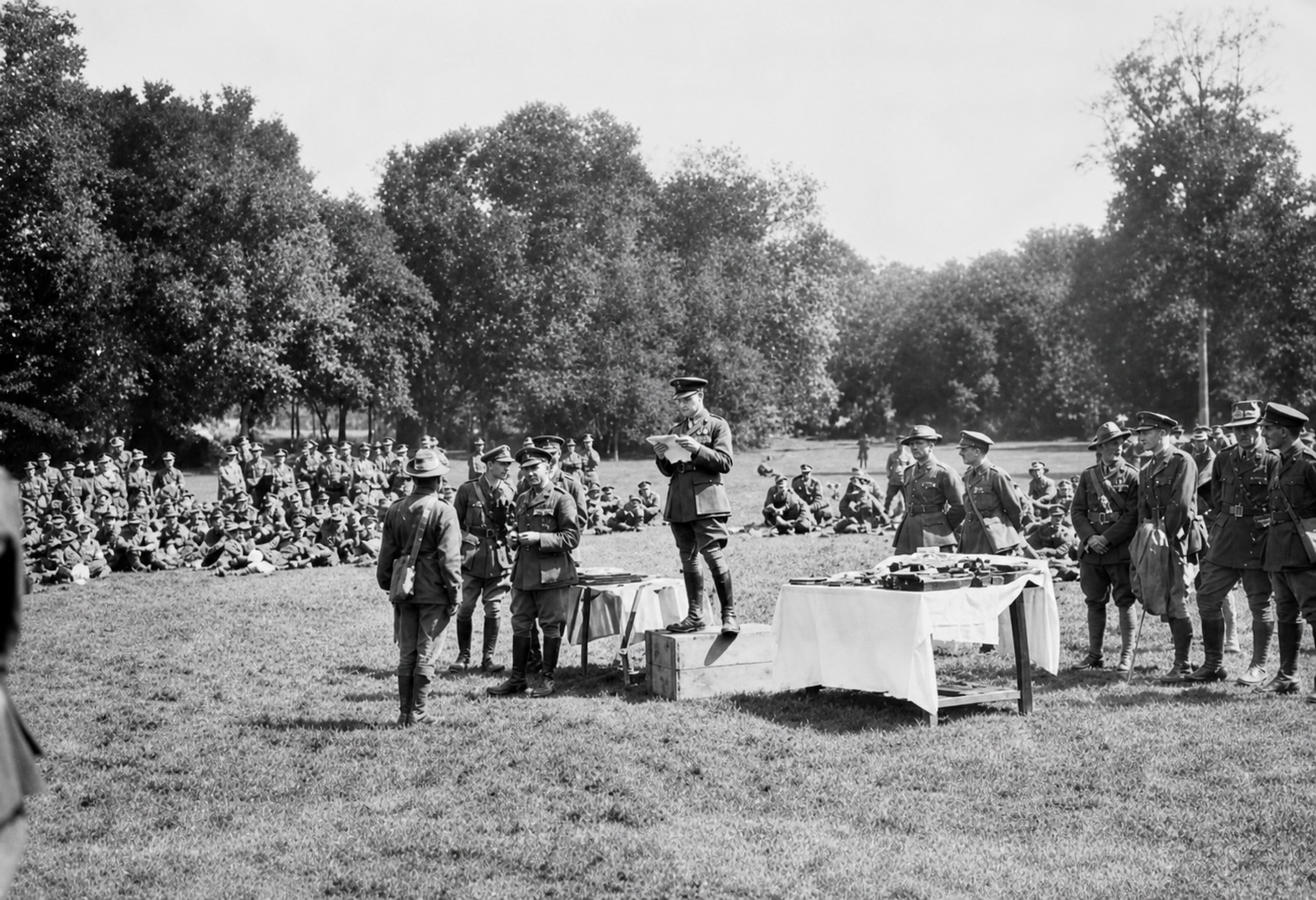
The final conference at Bertangles on 30 June was designed to turn those responsibilities into decisions. Approximately 250 officers spent four hours and 20 minutes moving through the 133 items. Questions arising in the room were to be settled there. The plan had reached the point at which further changes could disrupt training, timing and secrecy.
The size of the conference also says something important about Monash's method. The agenda distributed knowledge across the people who held different parts of the problem. Officers could see how their work related to the tasks on either side of them. After the conferences, troops used a terrain model to become familiar with their ground and their unit's place in the operation.
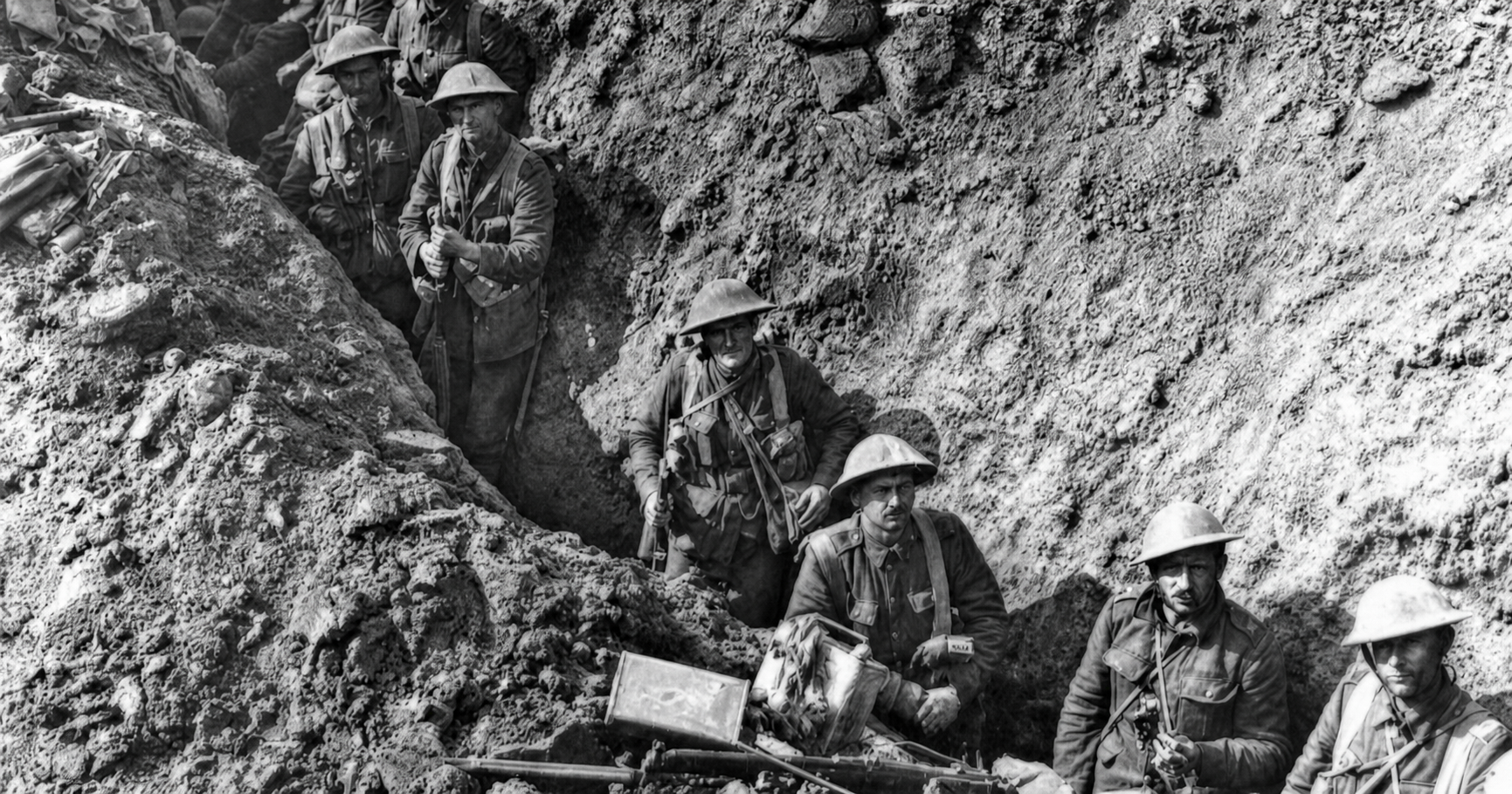
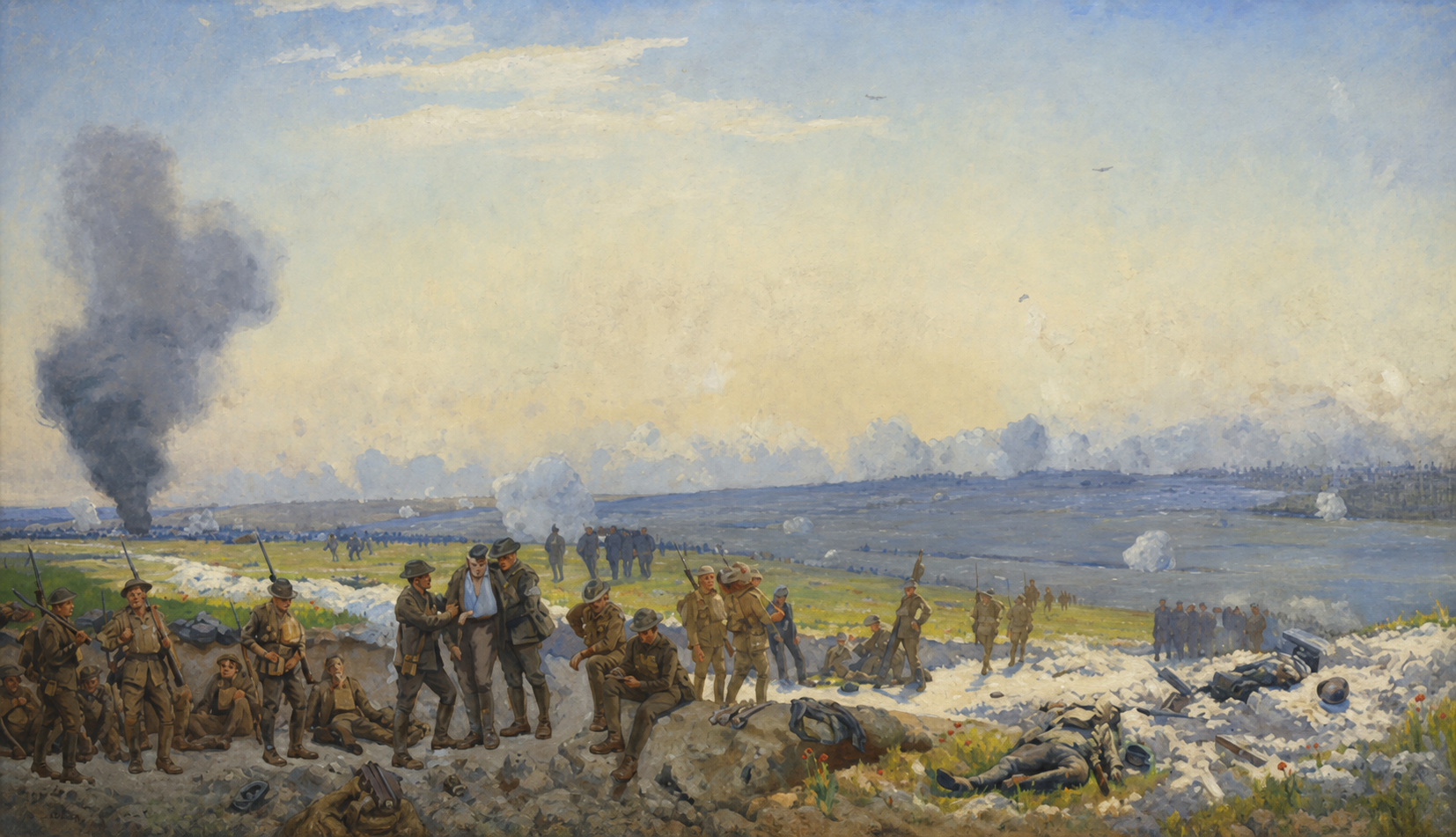
Approximately 8,000 Allied personnel were assigned to the Hamel operation, supported by about 550 guns, 60 tanks and 85 aircraft. They faced approximately 5,000 German troops.
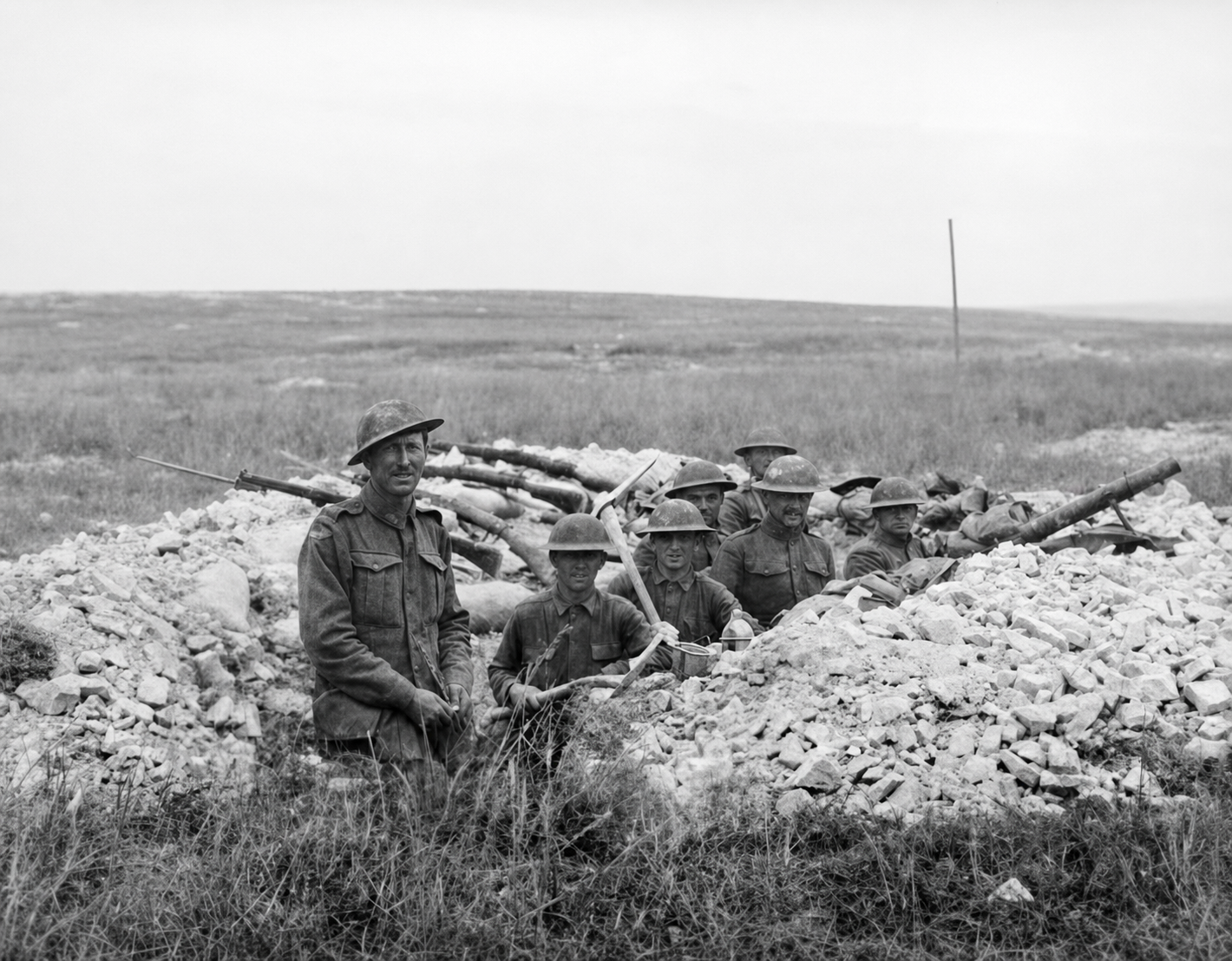
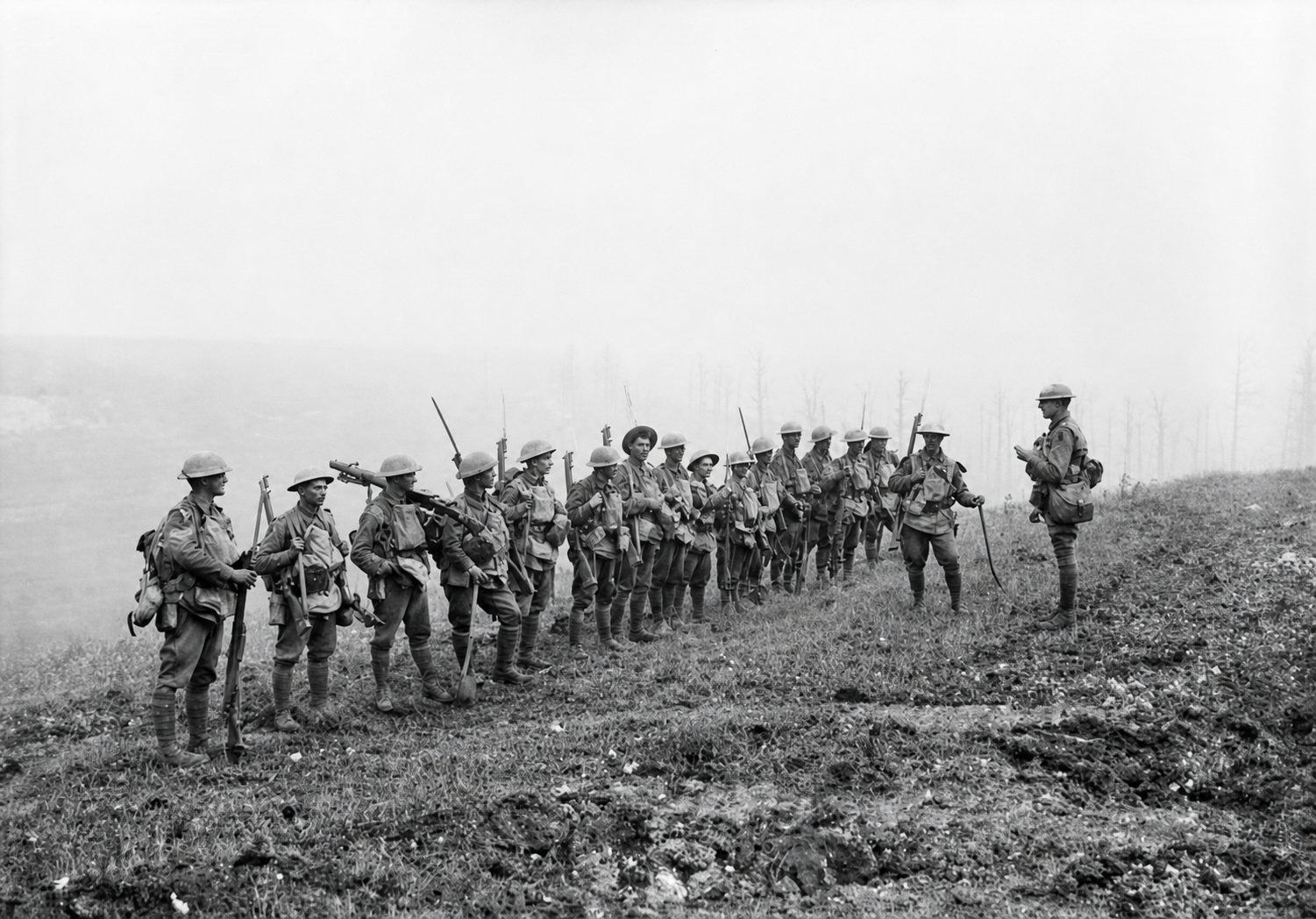
The attacking force drew on the 4th, 6th and 11th Australian Infantry Brigades, with other Australian elements supporting the operation. Four companies from the United States Army’s 131st and 132nd Infantry Regiments contributed about 1,000 men. American platoons were attached to Australian companies. Hamel became the first battlefield on which Australians and Americans fought together.
The Americans were new to combat on the Western Front. Their inclusion added another layer of responsibility. Units with different experience and command arrangements had to understand the same plan and move together.
Their presence almost ended on the eve of the battle. Ten American companies had originally been proposed. General John Pershing, determined that American forces should fight as an independent army, opposed their incorporation into a foreign formation. Six companies were withdrawn on 3 July. Four remained.
The timing created a practical and human problem. The Australians and Americans had trained together, and the plan had been built around their combined strength. A last-minute removal could leave gaps in the assault and damage the confidence created between the troops. Monash pressed the importance of preserving that confidence through his chain of command. The four companies went forward the following morning, attached by platoons to Australian units.
The episode placed coalition politics inside the operational plan. Leadership required Monash to manage relationships above him as well as the people and resources moving across the battlefield.
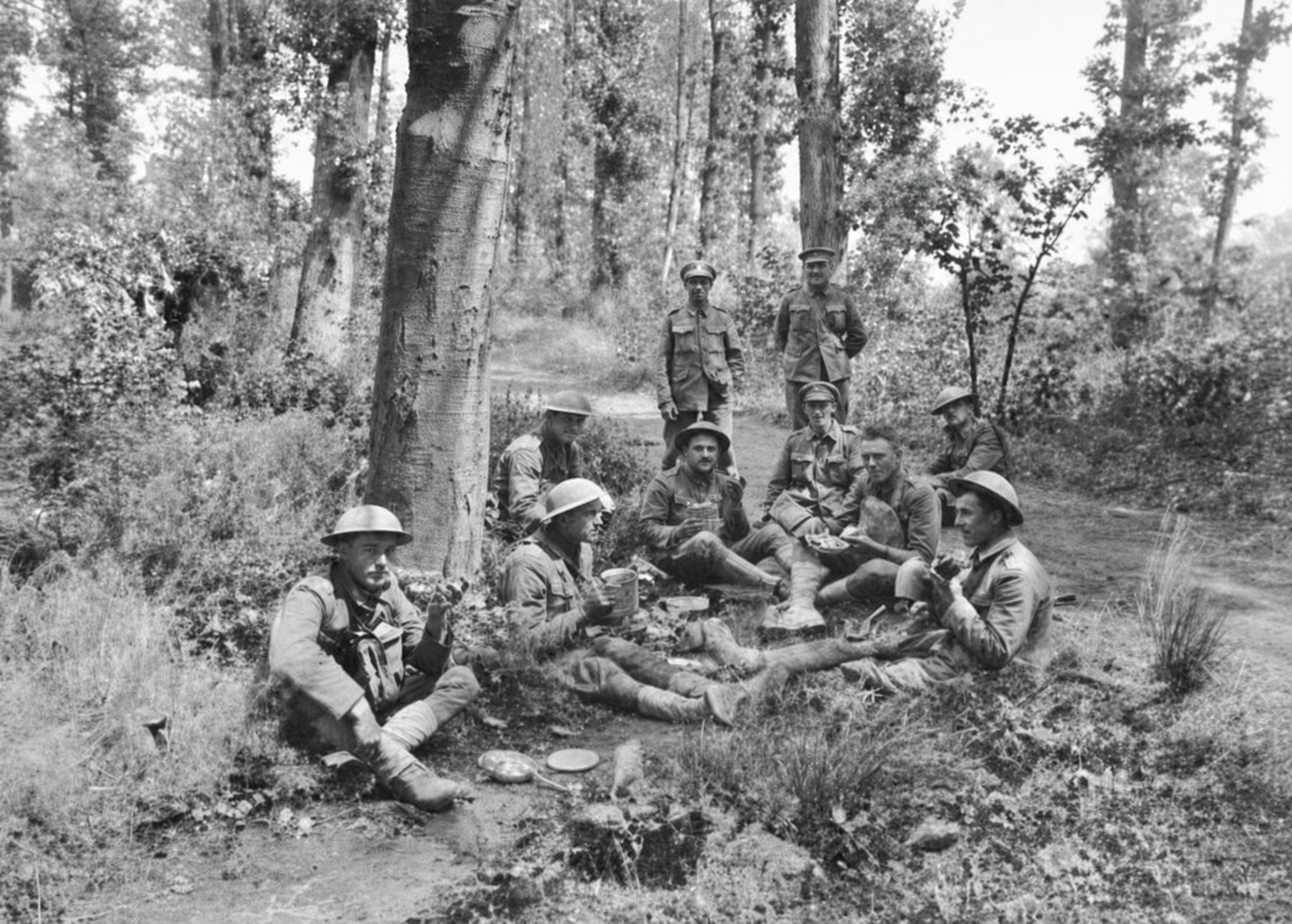
Training gave the plan physical form. Allied troops rehearsed their roles on a full-scale representation of the battlefield. Infantry learned how to move with tanks. The different arms learned the timetable and the relationship between their tasks.
Secrecy protected the preparation. Troop movements were restricted during daylight. Dummy installations and continuing harassing fire reduced the chance that a sudden change would warn the German defenders. Aircraft bombed Hamel and created noise intended to conceal tanks moving into position.
The aim was surprise, followed by coordinated force delivered in a short, controlled period.
The attack began before dawn on 4 July 1918.
Artillery opened against the German positions. A short, intense bombardment struck selected strongpoints, while a moving barrage created a line of fire ahead of the infantry. Soldiers advanced behind it. Tanks moved with them to engage machine-gun positions and fortified points that could stop an infantry advance.
The timing demanded discipline. Infantry moving too quickly risked entering their own barrage. Infantry falling behind could lose its protection. Tanks had to reach the right places while artillery, aircraft and machine-guns performed their own tasks around them.
The southern brigade established a defensive flank. In the centre, Australian units moved against Vaire Wood and Hamel Wood. To the north, troops advanced on Hamel village. American platoons moved within the Australian formation.
Aircraft observed the battlefield, attacked targets and carried information. Maps marked with the latest positions could be dropped to motorcycle riders and sent to commanders. Other aircraft carried ammunition forward by parachute. Some parachutes failed to open, a reminder that innovation still arrived with friction and risk. Supply tanks carried loads that otherwise would have required large numbers of people to move across exposed ground.
The scale of that resupply was substantial. Each carrier tank delivered 12,500 rounds of ammunition with defensive stores. Aircraft attempted to deliver 112,000 rounds by parachute. Failed parachutes meant that every round not arriving became a problem for the people consolidating the new line. The agenda's attention to supply continued after the attacking troops reached their first objective.
The operation advanced approximately two kilometres along a front six kilometres wide. The principal objectives were taken in 93 minutes.
The three-minute difference between estimate and result has become one of the most repeated facts about Hamel. Its real meaning sits inside the preparation. The estimate depended on the speed of the tanks, the movement of the artillery barrage, the firepower of the infantry and the time required for separate units to reach their objectives. Ninety minutes was a calculation built from many connected calculations.
The cost inside the success
Hamel produced a decisive result within its limited objectives. Allied forces captured approximately 1,600 German prisoners and 177 machine-guns. Total German casualties exceeded 2,000.
Current official figures record approximately 1,380 Australian and American personnel killed or wounded in the battle and its associated diversion, a total commonly rounded to 1,400 Allied casualties. The familiar figure is a casualty total rather than a death toll. A large number of people still paid for those 93 minutes with death or injury.
Measured against the attacking infantry, the casualty rate has been estimated at roughly one person in five. Hamel remained a violent battle. Its careful planning reduced avoidable exposure and enabled the force to achieve its objective quickly. The human cost remained severe.
The earlier Australian experience on the Western Front gives that cost a wider setting.
At Fromelles in July 1916, the 5th Australian Division suffered 5,533 casualties in approximately 24 hours. The attack failed in its objectives and left the division incapable of offensive action for months.
The fighting around Pozières continued for 42 days. Australian forces suffered approximately 23,000 casualties. About 6,800 were killed or died of their wounds.
Fromelles, Pozières and Hamel were different operations. They belonged to different stages of the war and involved different commanders, objectives, terrain, technologies and lengths of fighting. Their figures describe the scale of the burden Australian soldiers had already carried by the time Monash took command of the Corps in 1918.
Hamel showed how far combined-arms planning had developed. More accurate artillery, improved tanks, aerial reconnaissance, battlefield communications, rehearsal, secrecy and coordinated supply gave the infantry protection that earlier formations had often lacked. The plan treated the exposure of infantry as a problem to be reduced through the work of the whole force.
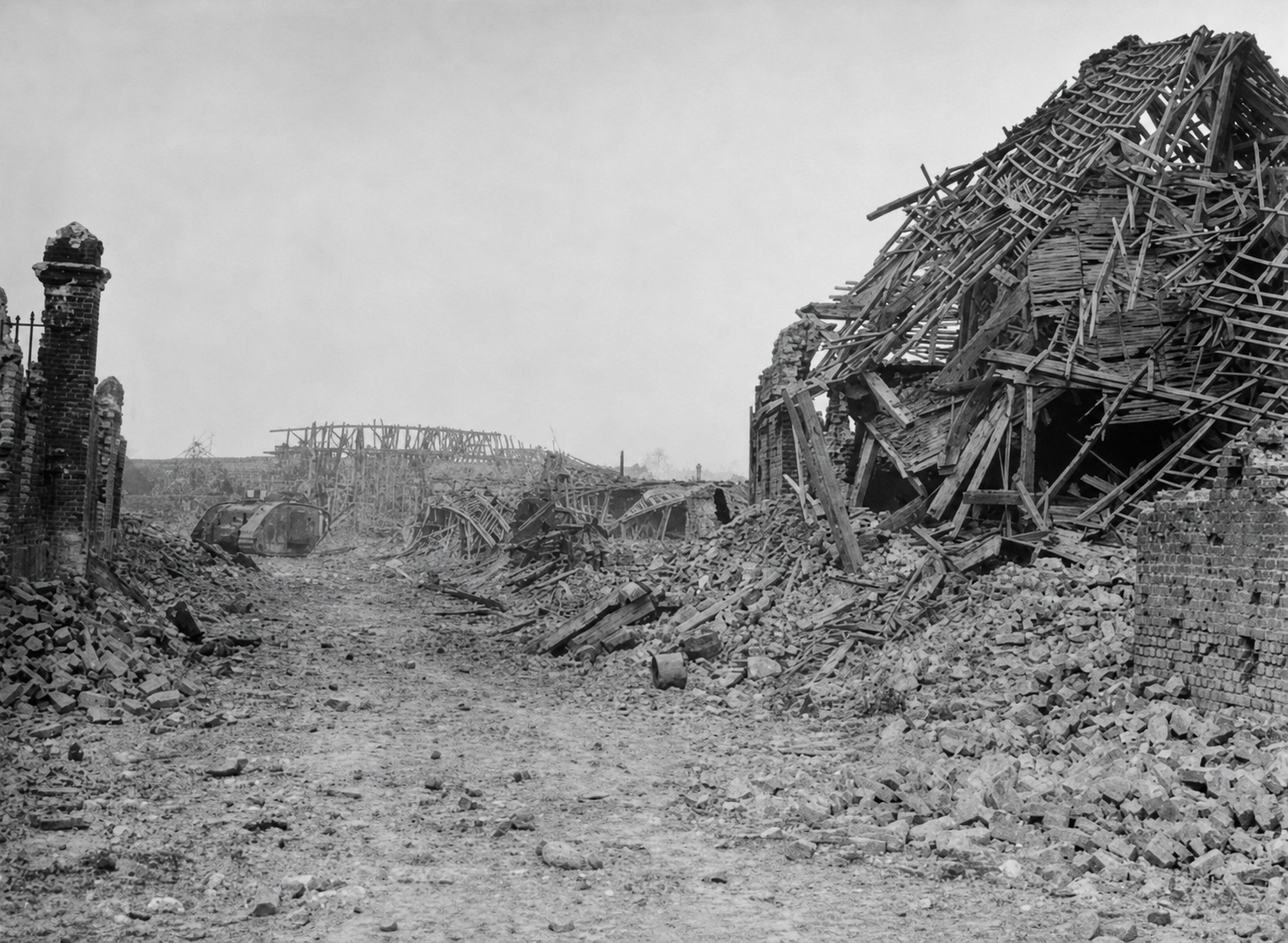
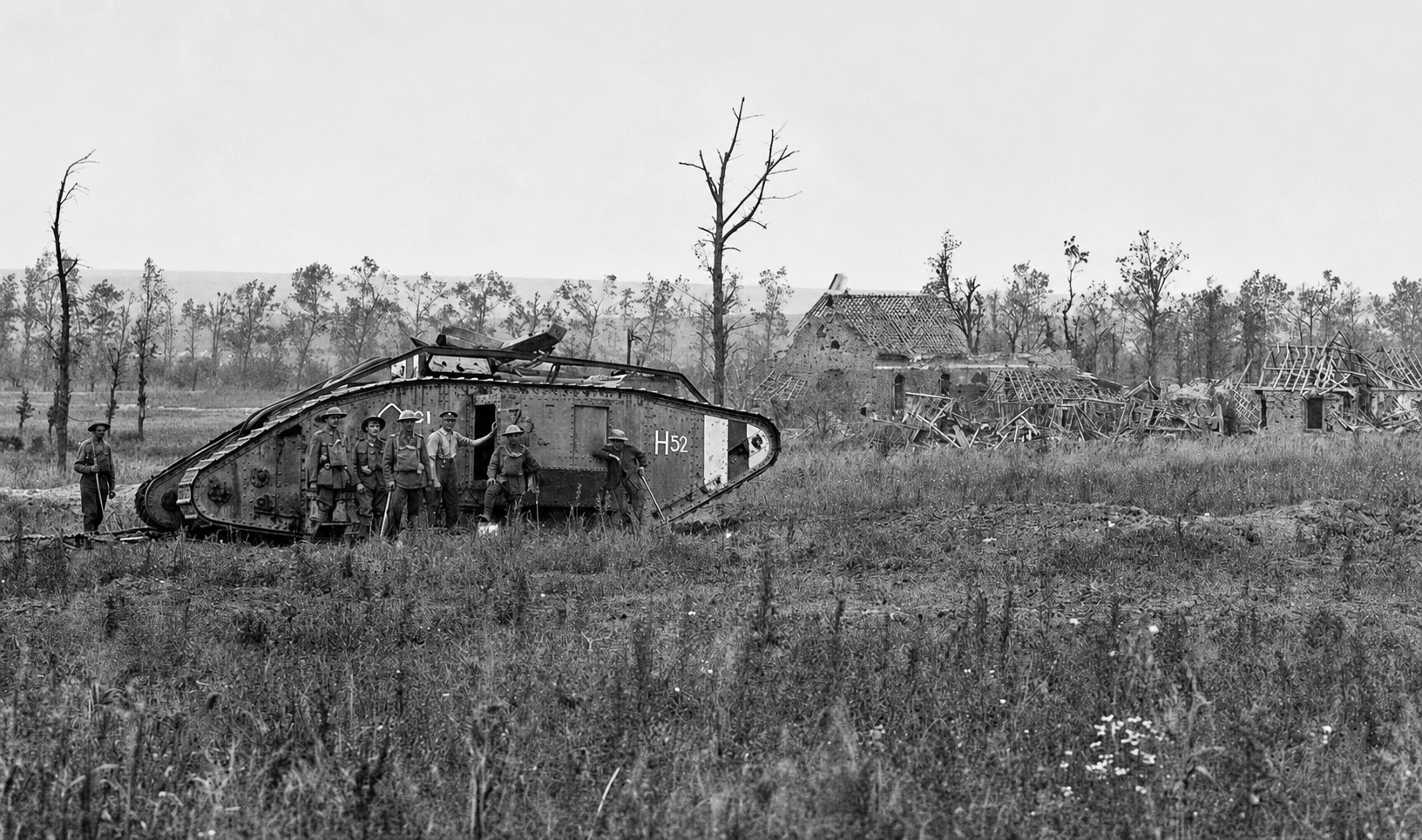
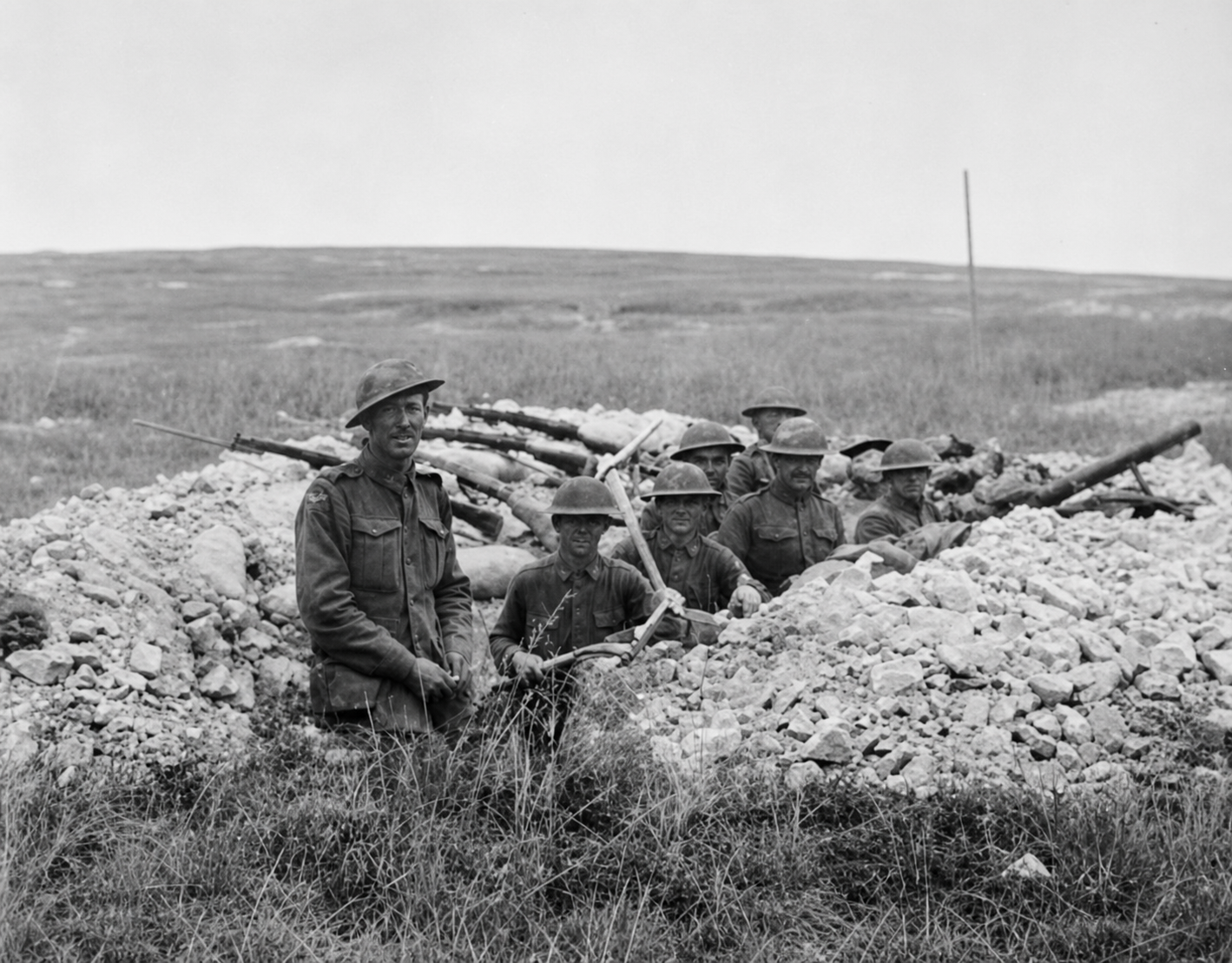
That principle reaches beyond the arithmetic of one battle. Every machine-gun position suppressed before infantry reached it altered what happened to the people advancing. Every load carried by a tank reduced the need for people to carry it across open ground. Every unit that knew the timing and the task of the unit beside it had a better chance of responding when the plan met reality.
Monash’s operational ability existed alongside his abhorrence of war. He described his wartime days retrospectively as filled with “loathing, horror and distress.”
He was also ambitious, exacting and capable of driving himself and the people under his command intensely. The Australian Corps remained subject to exhaustion and loss during the offensives that followed Hamel. His methods deserve examination with the human consequences in view.
Hamel reveals a commander using the available people, knowledge and technology to achieve a defined objective while reducing risks that could be anticipated. Monash's lists showed foreseeable failures carried human consequences.
Preparation became a form of responsibility.
The agenda after battle
The most revealing words in the Hamel document appear near its end:
AGENDA AFTER BATTLE.
The section considered consolidation, supports and reserves, relief of units, the movement of guns, the clearing of the battlefield, salvage and the future responsibility for defence.
The objective line began another phase of work. People would be wounded. Units would need relief. Ammunition and supplies would have to move. Equipment and the battlefield would have to be recovered. Newly captured ground would have to be defended.
That final heading contains a broad truth about leadership. Reaching an objective creates new responsibilities. A plan that ends at the moment of success leaves other people to discover what comes next.
Monash’s lists kept the next responsibility in view.
The Battle of Hamel is often compressed into two numbers: 90 minutes planned, 93 minutes achieved. The surviving agenda opens those numbers and shows the work inside them.
Leadership appears there as attention: to timing, equipment, specialist knowledge, communication, supply, uncertainty and the people required to carry each decision into action. It appears as a willingness to expose unresolved questions while there is still time to answer them. It appears in the planning for consequences that will arrive after attention has moved elsewhere.
Those principles belong to many forms of public and everyday life. Engineers, emergency services, community organisations, governments, businesses and families all make decisions whose consequences are carried by other people. Preparation allows risks to be found earlier. Shared plans allow expertise to meet. Visible responsibilities are harder to forget. The work following an achievement receives the same care as the achievement itself.
Hamel also became evidence that these methods could operate beyond one small battle. Its tactical lessons influenced the planning of the larger Allied offensives that followed in 1918. Their success belonged to accumulated changes in weapons, training and doctrine, and to the work of many commanders, staff officers and soldiers. Monash's contribution was the disciplined integration of those elements into a plan people could understand and execute.
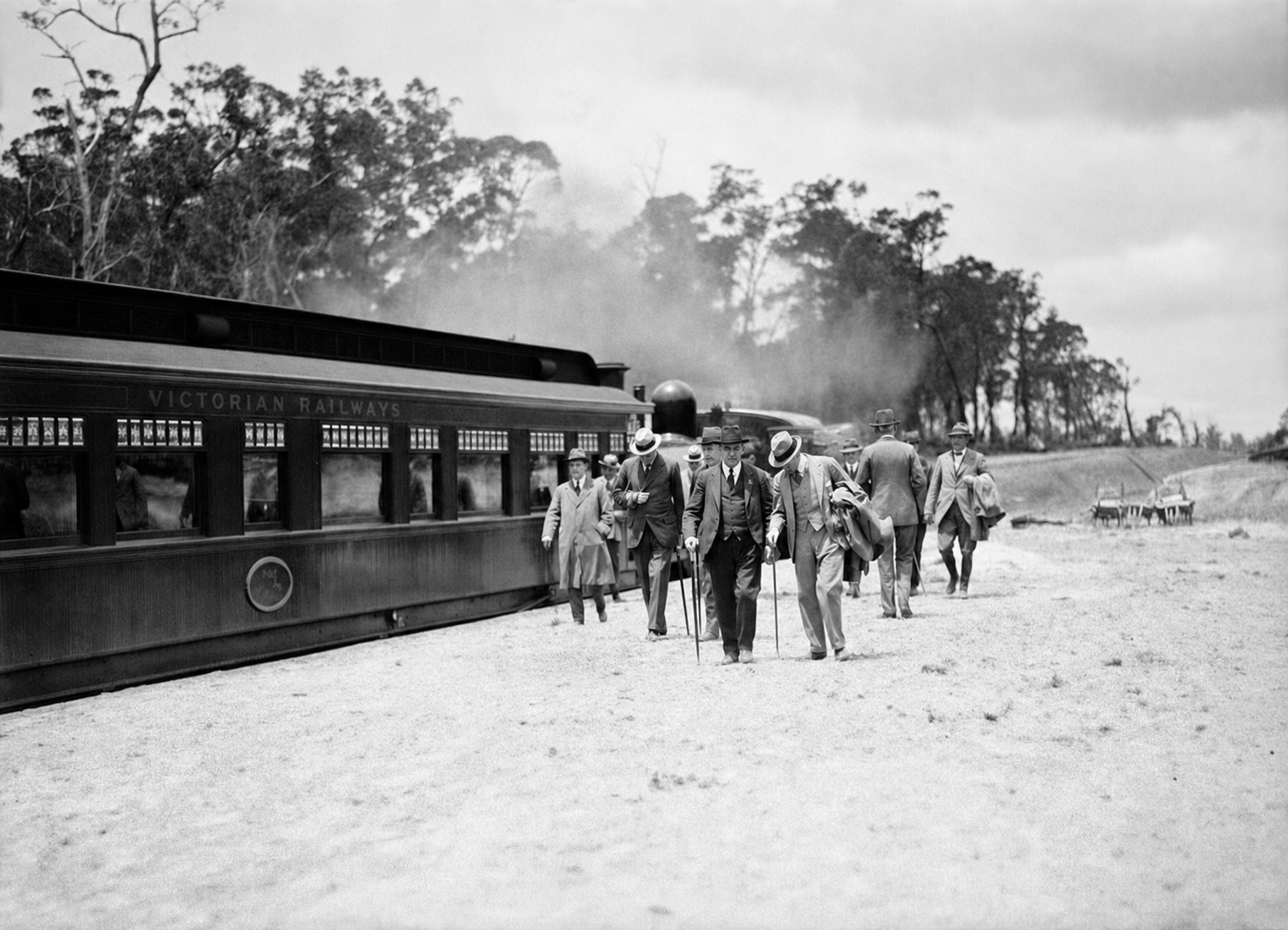
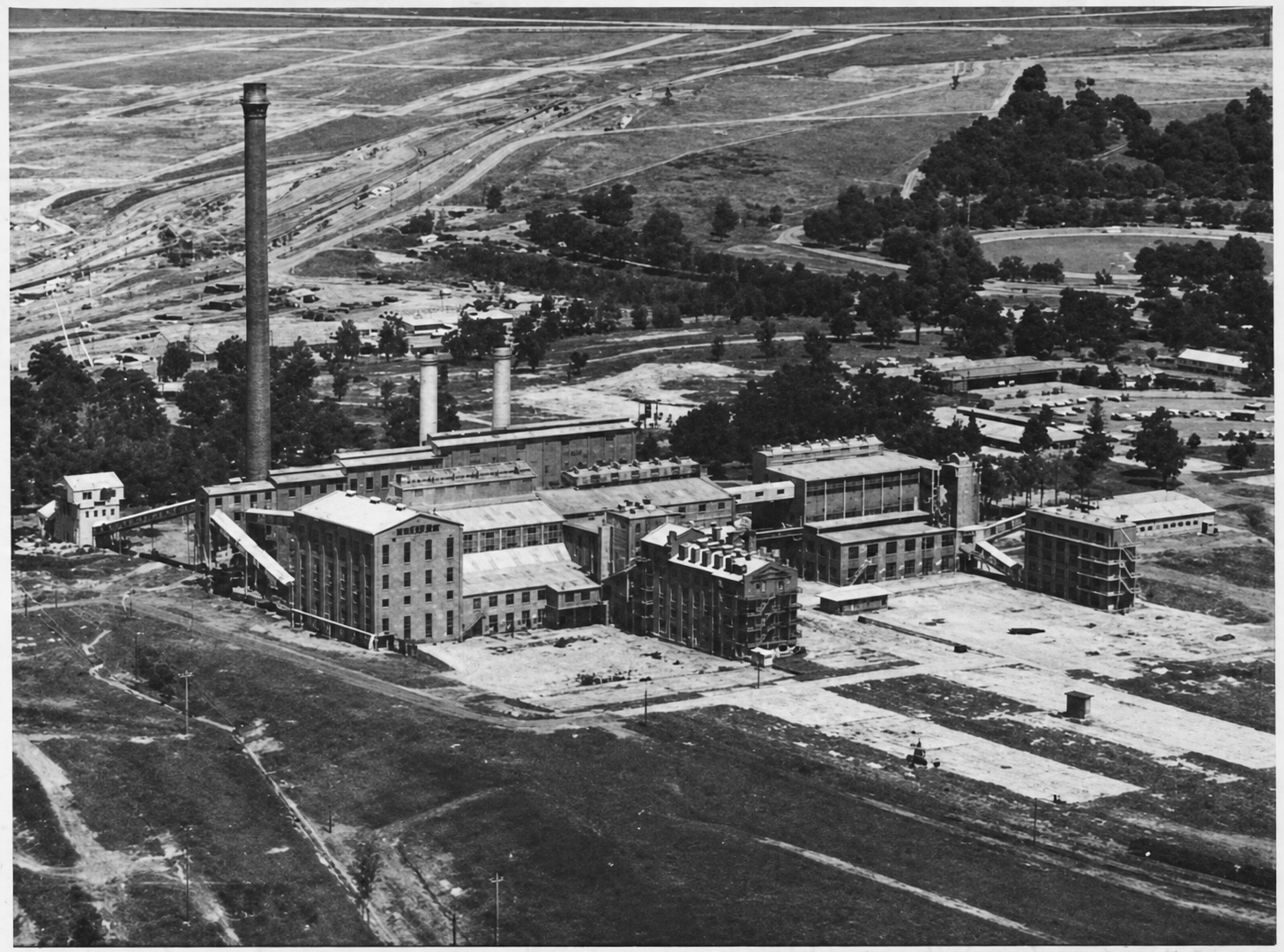
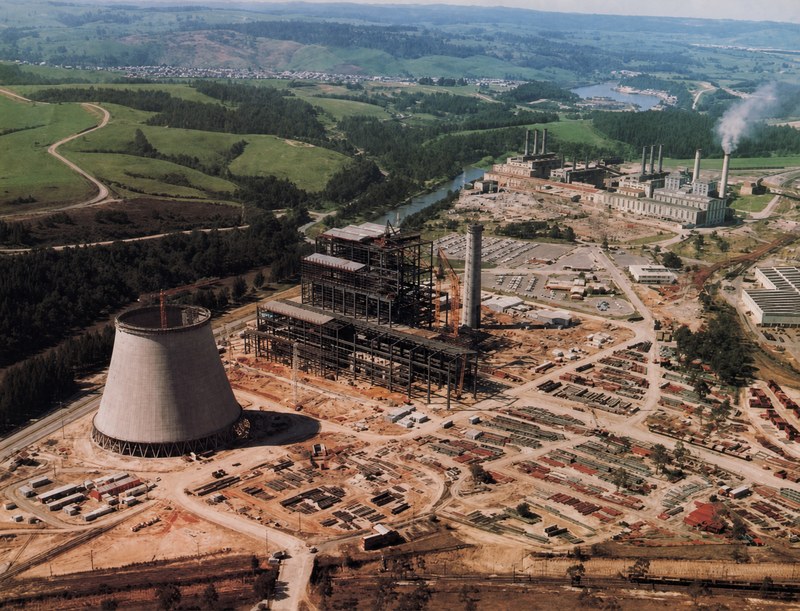
At Yallourn, the Sir John Monash Museum preserves the story of a man whose name later became inseparable from Victoria’s great electricity undertaking. The Hamel agenda offers another way to encounter him. It brings leadership down from the scale of reputation to the scale of a page: one question after another, each waiting for an answer, each connected to what somebody else would have to do.
Completed work could be crossed away.
The remaining gap began tomorrow’s list.