Many of the departing men had enlisted in 1915. Almost four years of military service lay between that enlistment and this morning in Belgium. They belonged to a battalion whose war had carried it from Gallipoli to the Western Front. Australia waited 12,000 miles away. Even after their names reached the front of the roll, the route through France and England and then by sea would take roughly two months.
The men lining Grand Rue would leave in later drafts. Their place depended upon ships, trains, camps and a system that was only beginning to move.
The Armistice had ended the fighting eleven weeks earlier. Around 167,000 Australian servicemen remained spread across France, Belgium, Britain, Egypt and other theatres. Some were in hospitals and convalescent homes. Others lived in camps and billets, carrying out duties while they waited for the order that would begin their journey home.
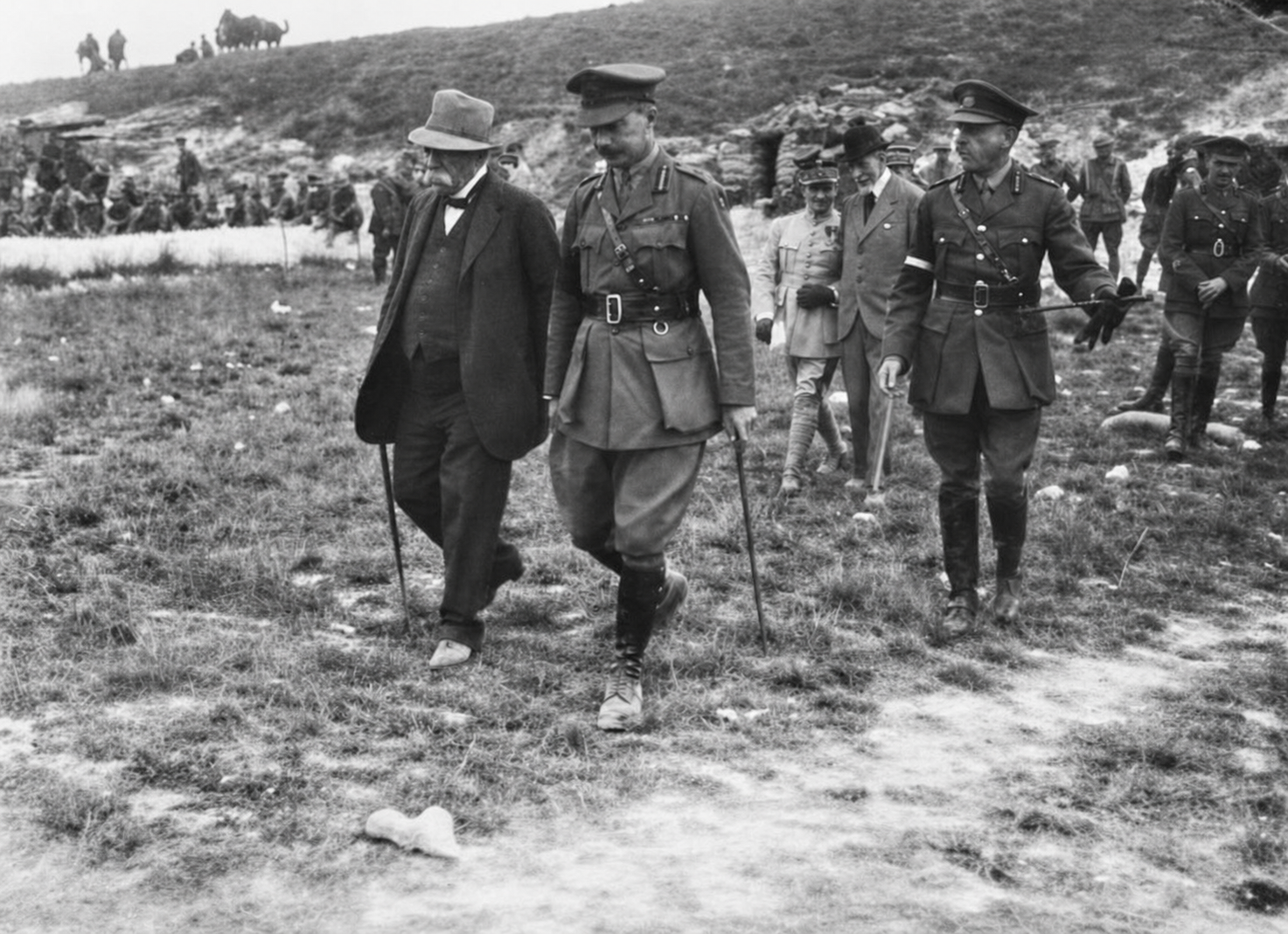
Monash understood what the waiting could become. He described weary men waiting patiently for their turn. Their future felt uncertain. They wanted to know when they would leave, how the order would be decided and what kind of life would meet them in Australia. Each passing week placed greater pressure on morale.
Australia had been considering repatriation since 1916. Decisions about employment, land settlement, rehabilitation and military movement had travelled between departments for years. By October 1918, the AIF in Europe was still waiting for essential direction. The Armistice arrived before a complete plan.
Australian authorities also carried a fear about the speed of return. Farms, businesses and public services had yet to prepare for the sudden arrival of tens of thousands of former servicemen. Plans for land settlement and civilian employment remained incomplete. A rapid homecoming could place immense pressure on jobs and government programs.
Prime Minister Billy Hughes accepted responsibility for repatriation at the fastest rate the available shipping would carry. In late November he placed Lieutenant General Sir John Monash in charge of the AIF Department of Repatriation and Demobilisation. The first calculations suggested that bringing the force home would take at least eighteen months.
Ships set the limit. The war had consumed merchant tonnage, damaged railways and left ports crowded. Belgian refugees were returning home. British prisoners of war were coming out of Germany. The United States, India, Canada, New Zealand and armies from across the Empire were all seeking transport. Europe also needed ships for food and raw materials as civilian life began again.
Australia stood at the far end of the longest route. A ship suited to the North Atlantic still required extensive work before it could carry troops through tropical waters and the Suez Canal. Accommodation, ventilation and sanitation had to withstand a voyage of roughly two months. Industrial disputes in the ship-repairing trades added another delay.
Monash began a sustained campaign for every available berth. His department calculated how many men it could move and pressed those demands upon the British Ministry of Shipping. Promised ships arrived late. Sailing dates shifted. A transport expected on one date might appear days later, leaving thousands of men, beds, trains and supplies arranged around a movement that suddenly had to change.
In December 1918, sixteen ships left British ports carrying 13,312 Australians from Europe. The flow proved that the journey could begin. Keeping it moving required what Monash later called the “constant importunity” of himself and his staff. Hughes, Sir Joseph Cook and Senator George Pearce added political weight to the Australian demands. Monash continued asking for more ships, firmer dates and a regular allocation large enough to match the system taking shape behind the ports.
Speed raised another question. Who should go first?
One proposal sent military units home together. Another favoured men whose occupations were urgently needed in Australia. The servicemen themselves understood fairness through time: the first to enlist should be the first to leave.
Monash made length of service the governing principle. Family responsibilities, assured employment and other pressing circumstances could bring a name forward. The divisions arranged their rolls in half-year enlistment groups so that the rule could be applied across an army whose original units had divided, merged and changed throughout the war.
For the 1915 men marching along Grand Rue, those years of service had finally become a place in the first draft. For the men lining the road, the same rule gave shape to their own wait. Every departing group carried another set of names closer to the front of the roll.
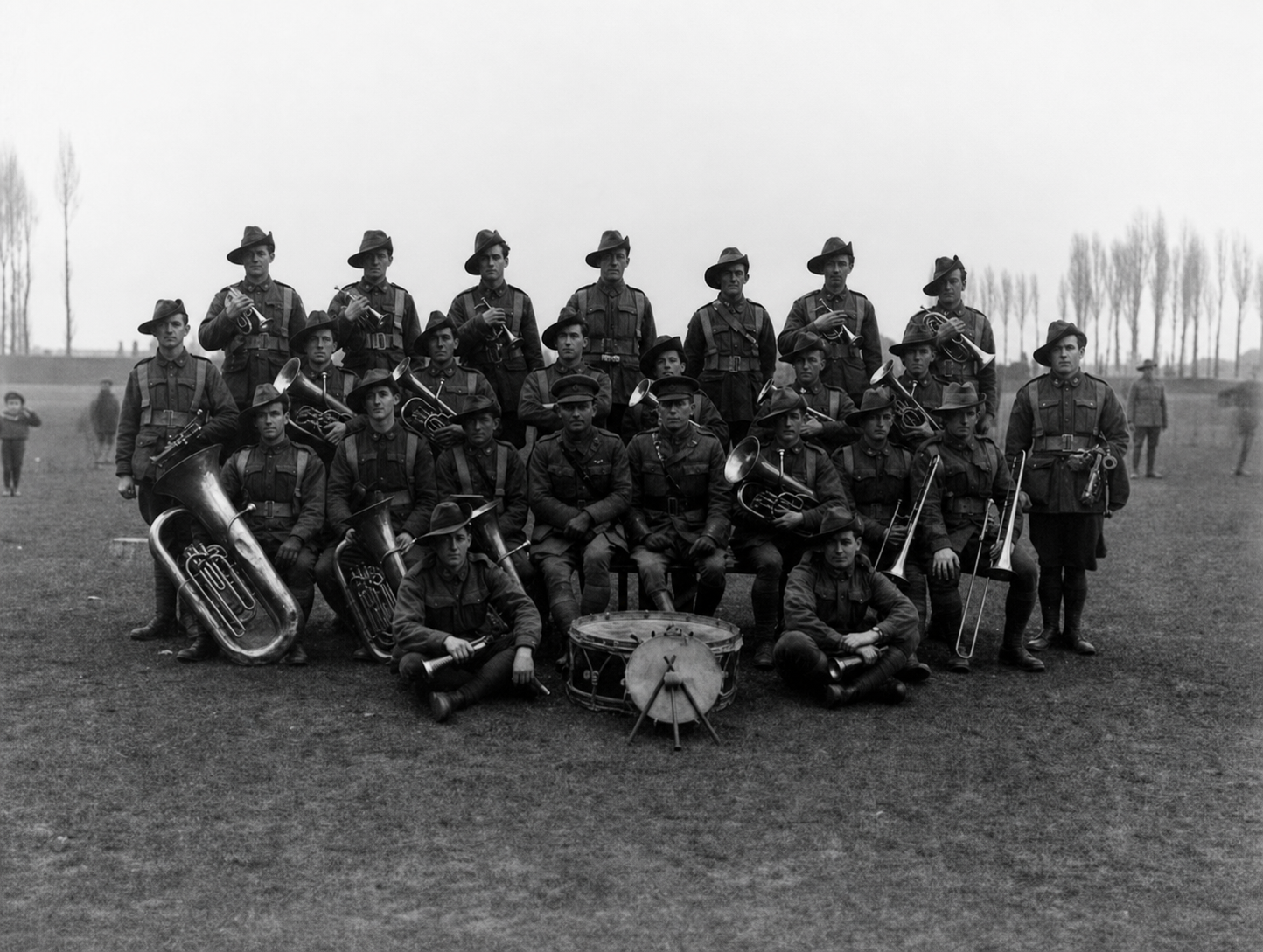
Monash's department built the movement around quotas of about 1,000 people. A thousand men roughly filled a train, a transport ship and an ordinary camp. The number also resembled the strength of a battalion, allowing each quota to move with its own officers and the education, recreation and band personnel needed through the journey.
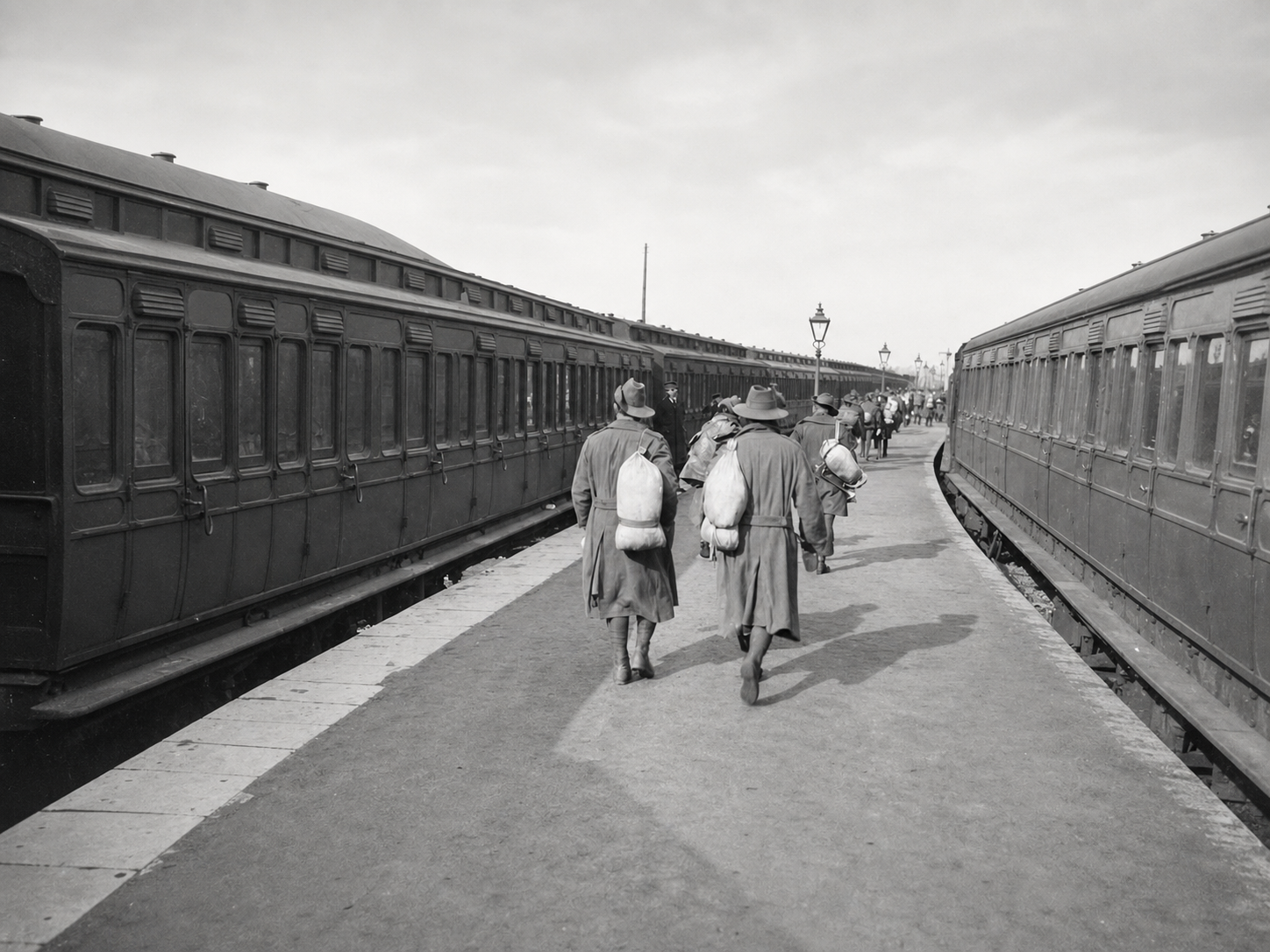
When a quota left France, trains carried it to Le Havre. Cross-channel vessels took the men to England. Depots received them for leave, pay, paperwork and final embarkation. When a ship became available, a complete group stood ready to fill it. A decision in London became a movement order in Belgium, a train through France, a bed in England and, eventually, a berth facing Australia.
The machinery depended upon confidence as much as timetables. General instructions, pamphlets, lectures and unit officers explained the order of departure and the reasons for delay. Men could see where their enlistment group stood and how each ship changed the queue. The route became visible, one quota at a time.
The fastest possible program still left thousands waiting in Britain. Monash's department turned that interval towards civilian life.
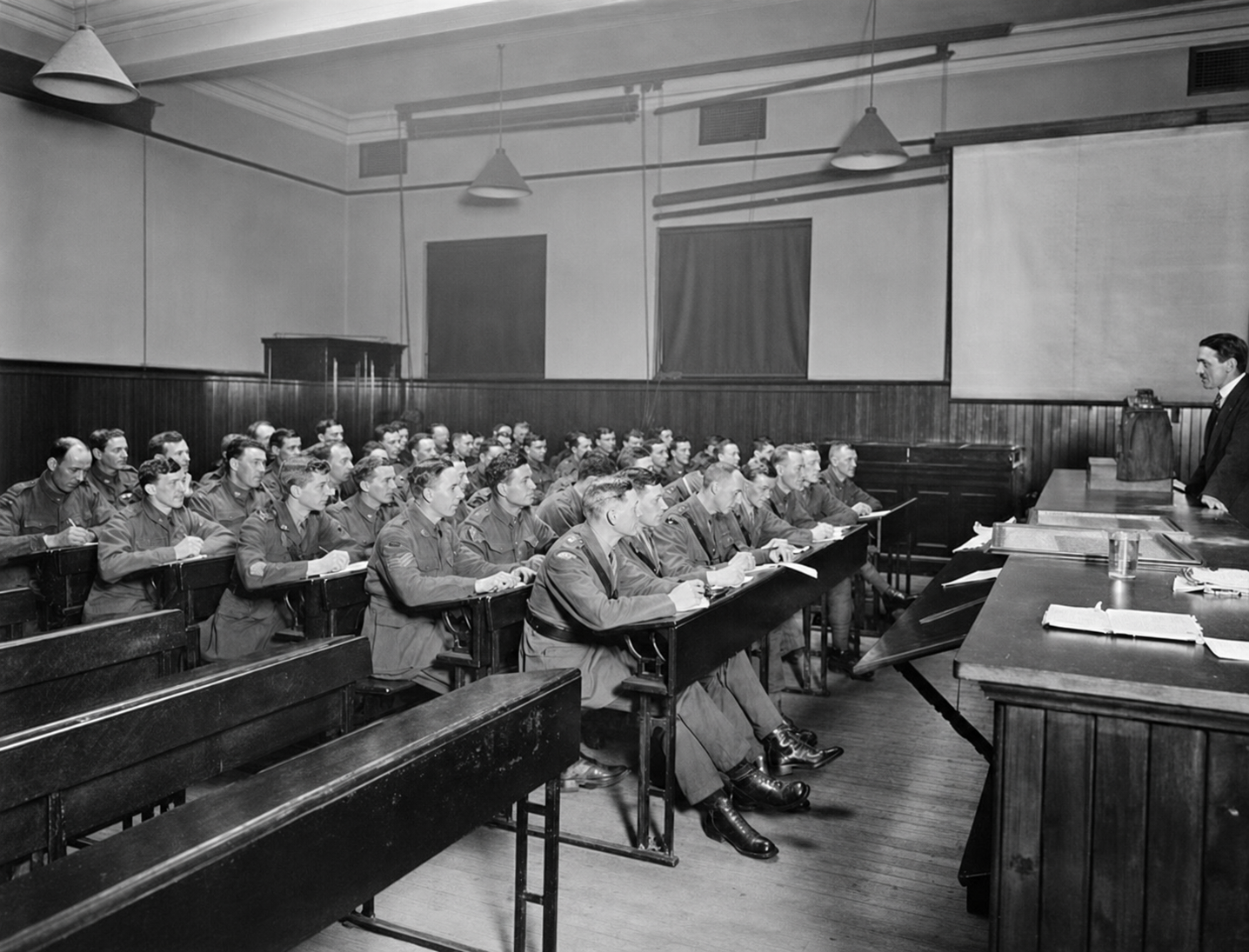
The AIF Education Service had begun before the Armistice under Bishop George Long, with the support of Sir Brudenell White and General William Birdwood. Monash brought it into the demobilisation program and expanded opportunities for civilian employment under Colonel Julius Bruche. Educators and officers opened paths into universities, commercial schools, farms, industries and technical workshops.
At Edinburgh University, Australian servicemen sat in uniform at desks for an agriculture lecture. At Jeumont, men worked at benches and machinery. Some resumed professions and apprenticeships interrupted by the war. Others began learning the trade that would support them in Australia. The journey home was already carrying them from soldiers into the work and responsibilities of peace.
The 9th Battalion lived that rhythm at Roux. Its education courses began in December 1918. By January, classes, sport, cinema visits and concerts filled parts of the waiting period while successive drafts were prepared. The first group marched away on 29 January. Classes continued for the men whose turn was coming.
By March, 37,500 Australians had embarked from Europe. More shipping increased the pace, and the chain of rolls, quotas, trains, depots and berths carried the great bulk of the AIF out within eight months of the Armistice. About 160,000 Australian servicemen returned through the organisation Monash directed in less than nine months.
Monash set the policy and drove the campaign for ships. Brigadier-General C. H. Foott coordinated the department's work. Bruche, Long, Brigadier-General W. R. McNicoll and Lieutenant Reginald Burchell led employment and education. Pay clerks, registry staff, port officers, depot teams, transport crews, educators and unit commanders carried the decisions into motion. The servicemen kept the sequence working for the drafts that followed.
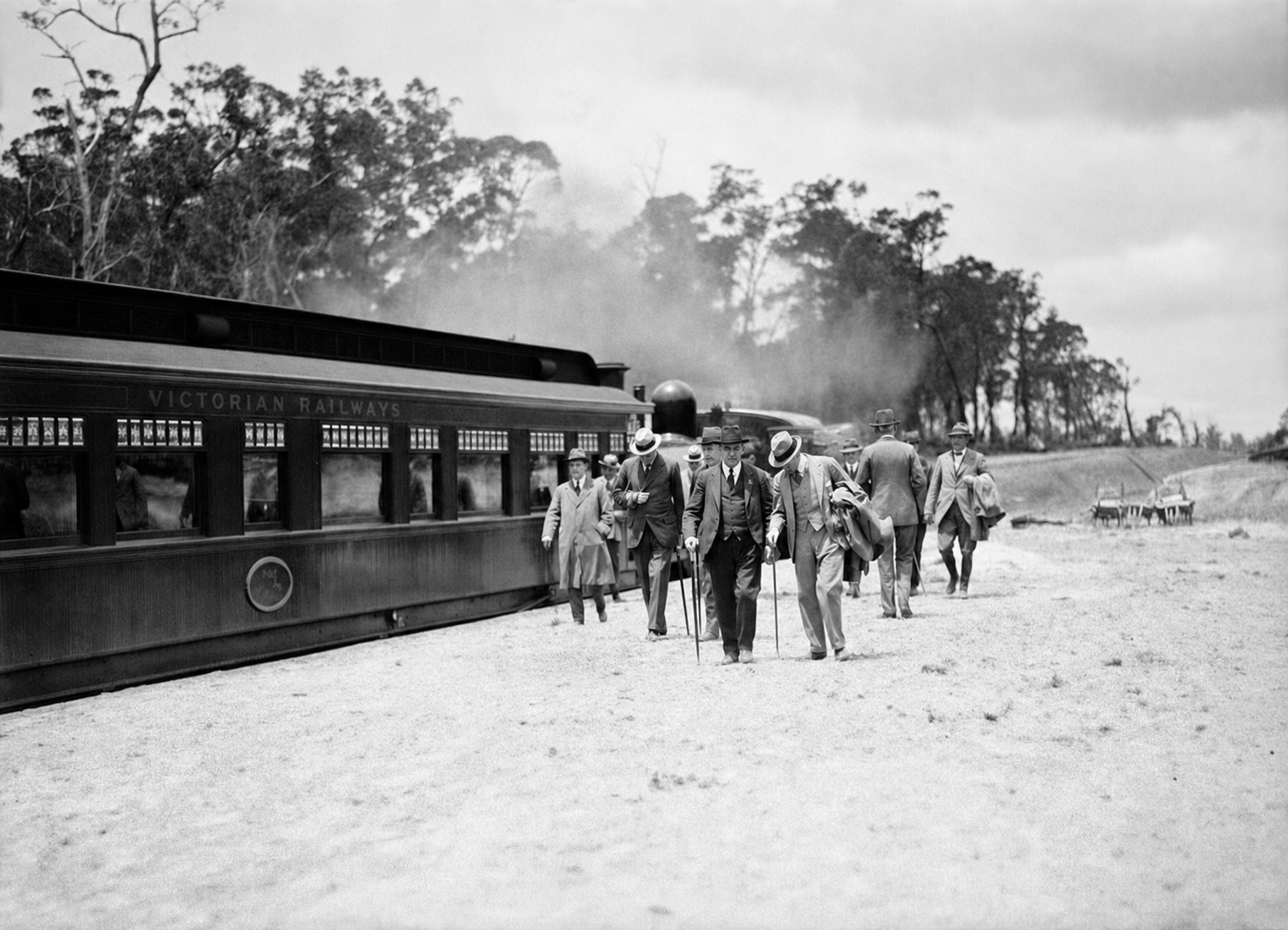
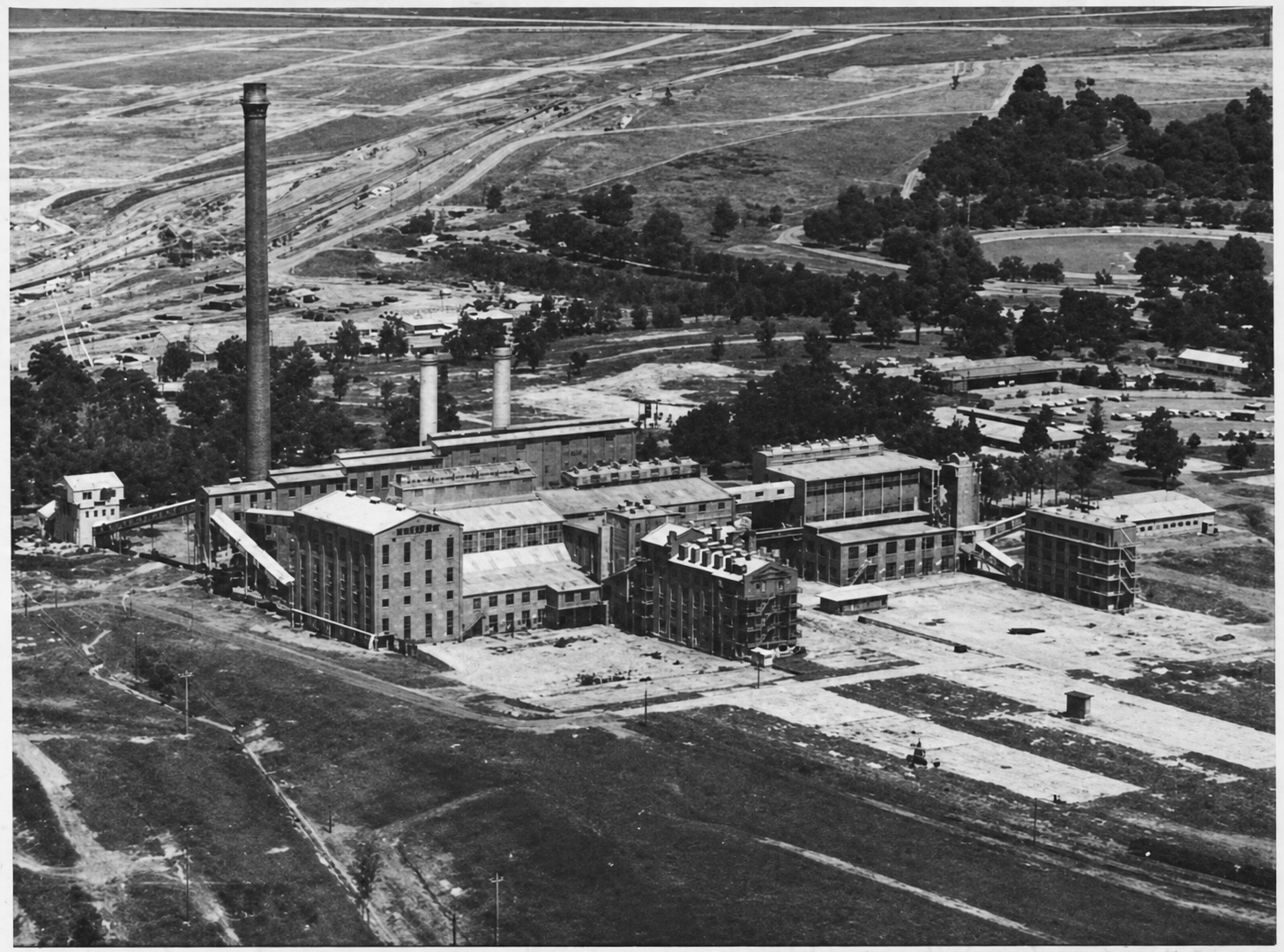
Monash would soon bring the same command of large systems to Victoria's State Electricity Commission. In Europe, that capacity had been measured in people: a fair place on a roll, reliable information during the wait, useful preparation for civilian life and relentless pressure upon every obstacle between them and Australia.
Back on Grand Rue, the band played as the first draft marched away. The road to brigade headquarters was one small part of a journey that crossed a continent and an ocean. Behind them stood men whose names would form the next quota, and then the next.
One thousand at a time, the distance closed.
Home.