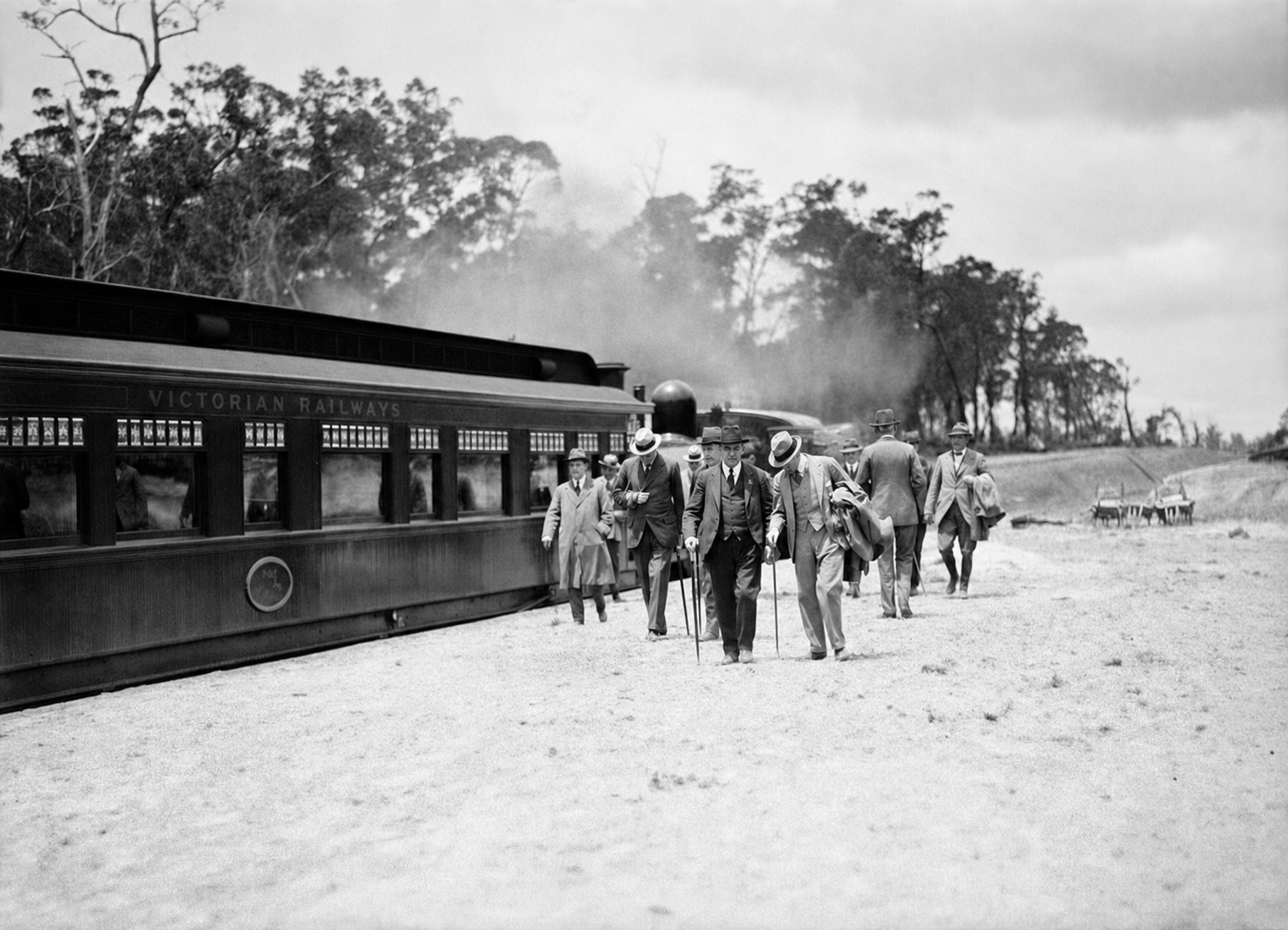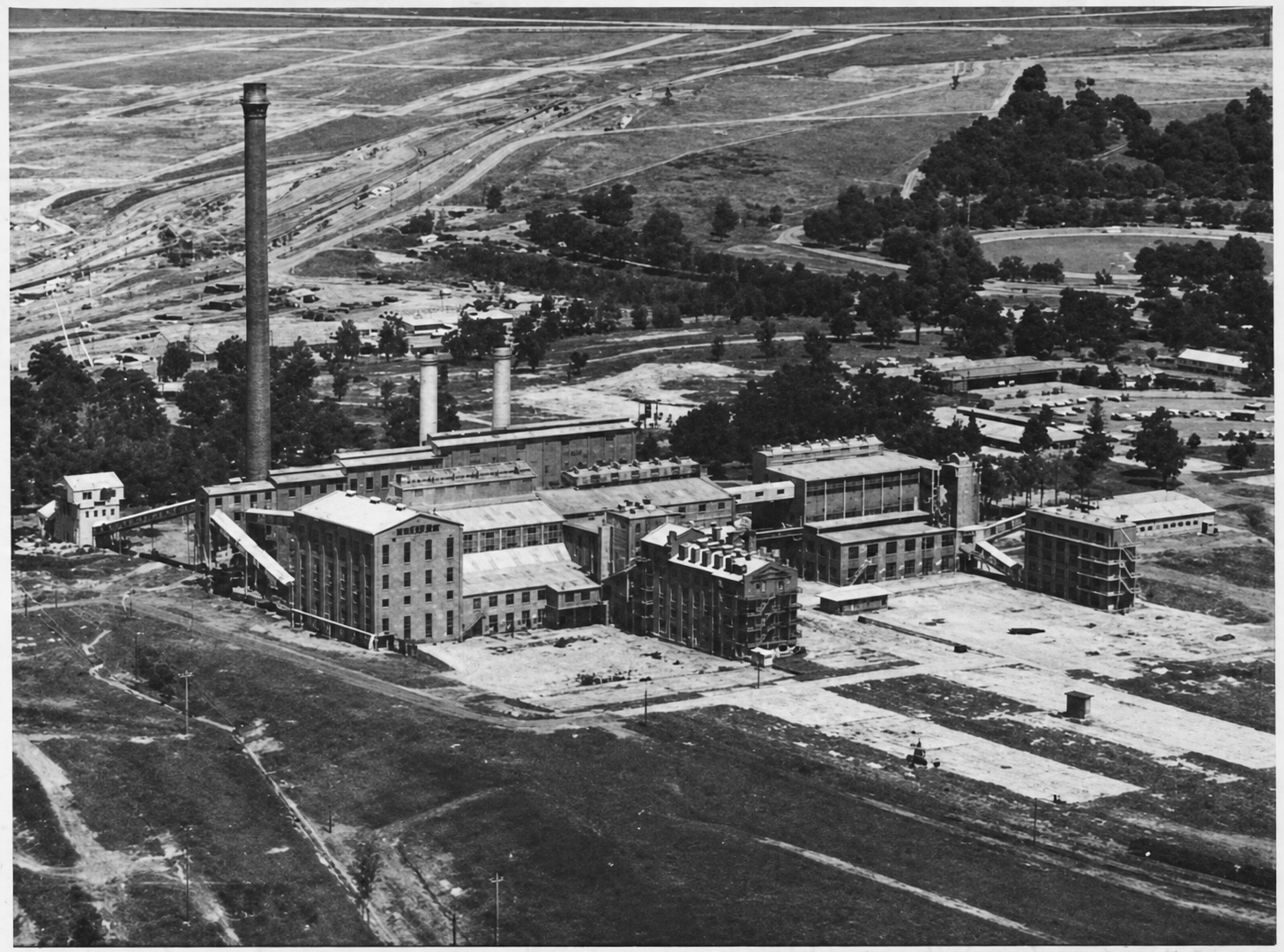
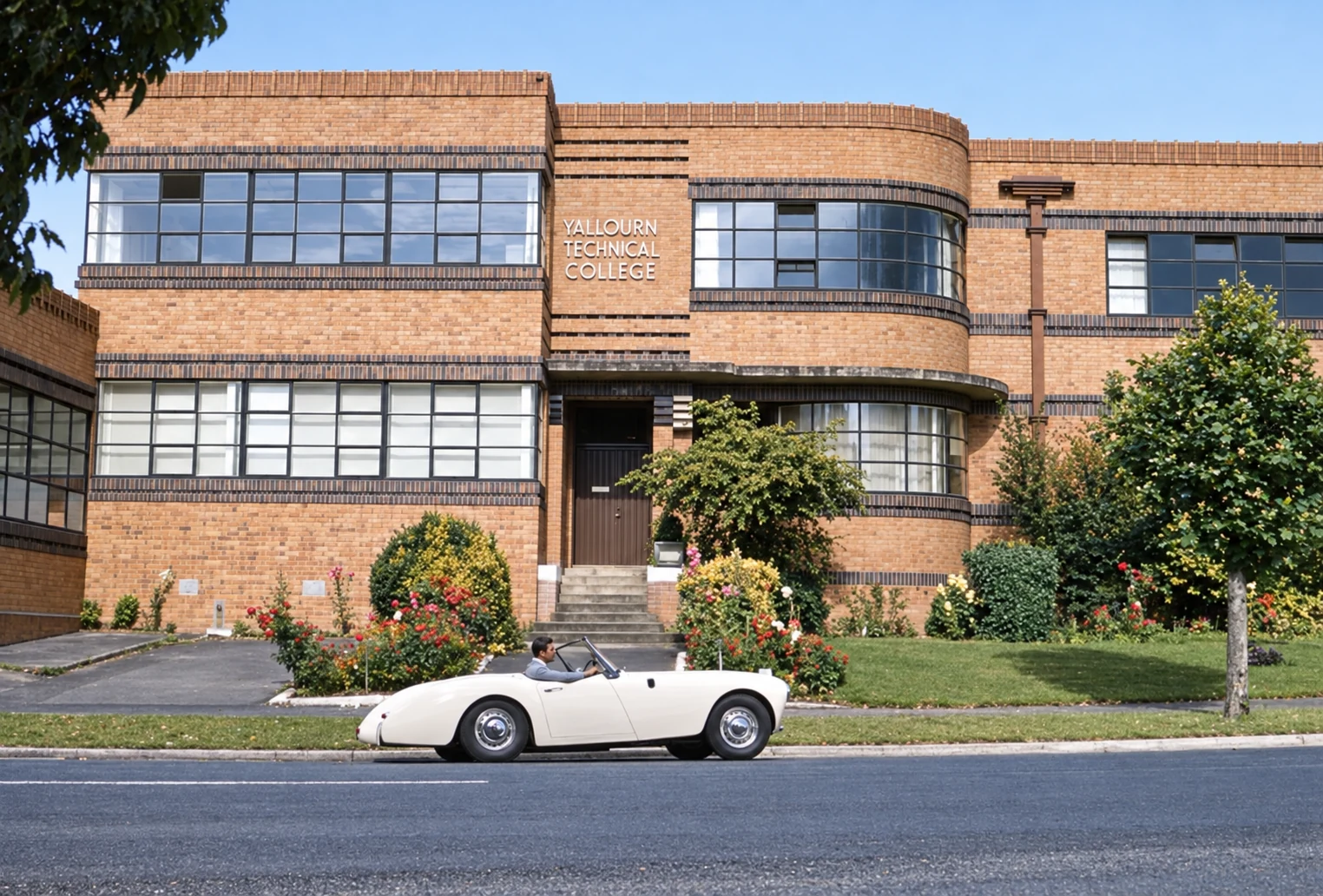
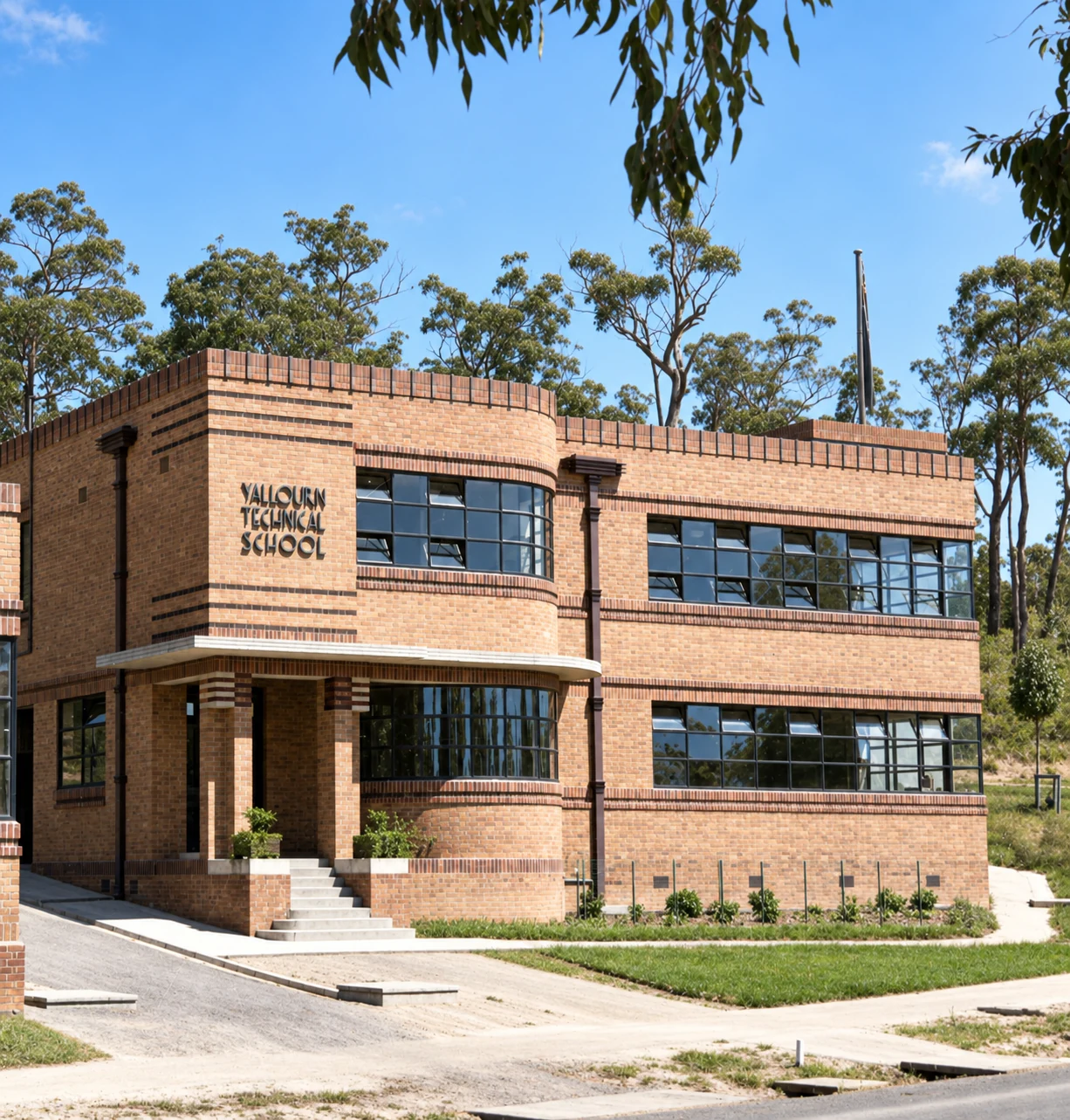
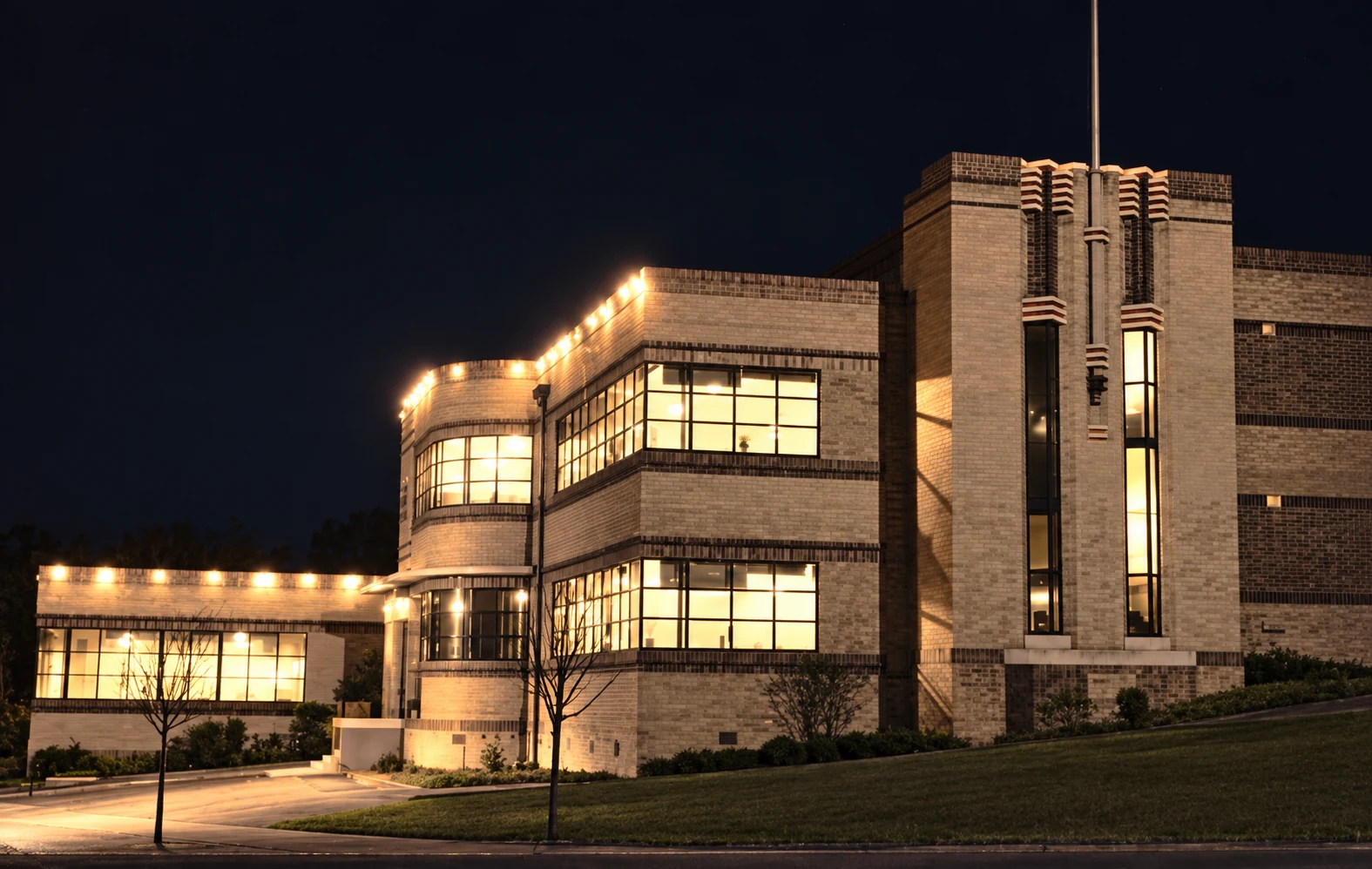
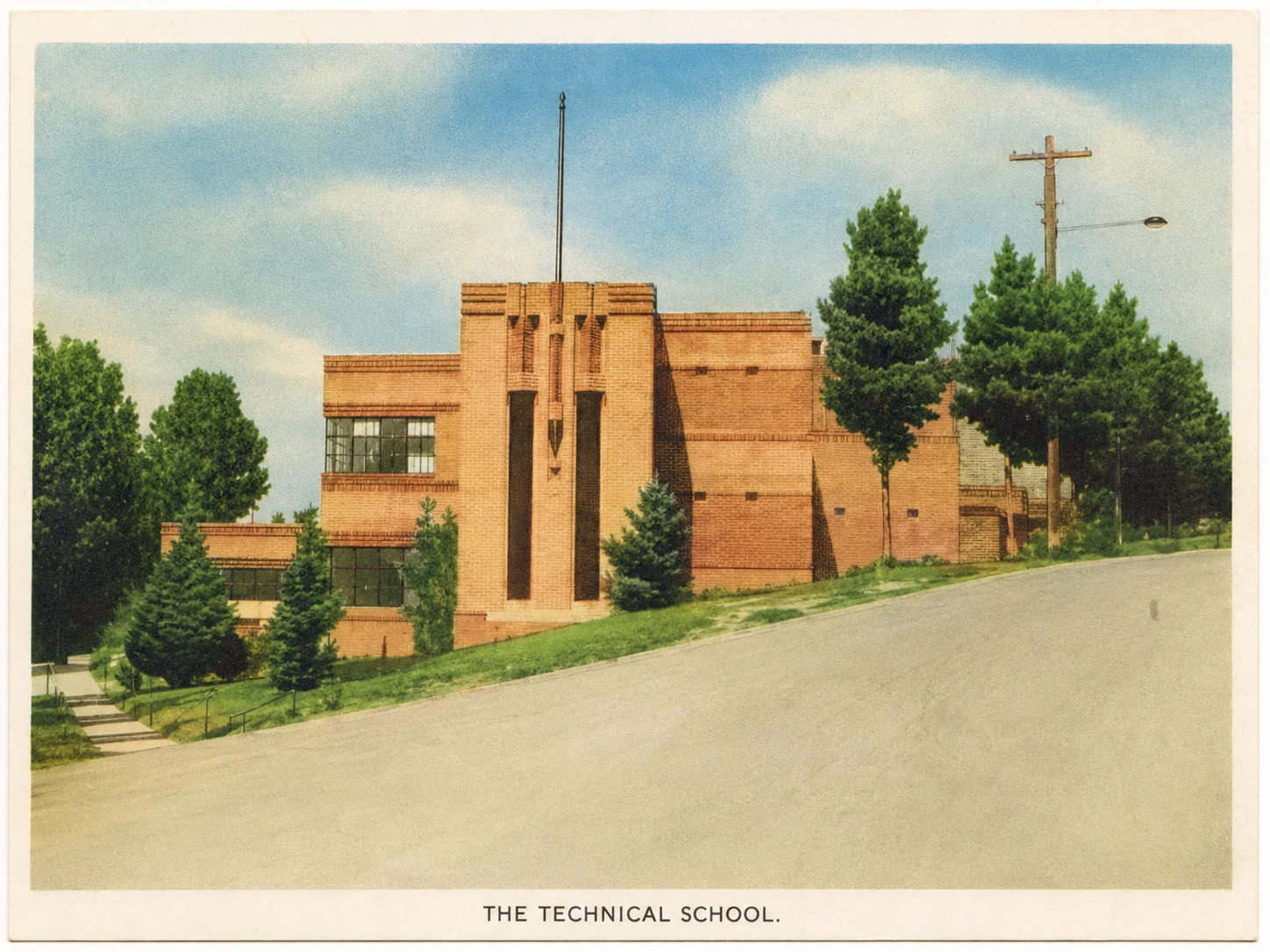
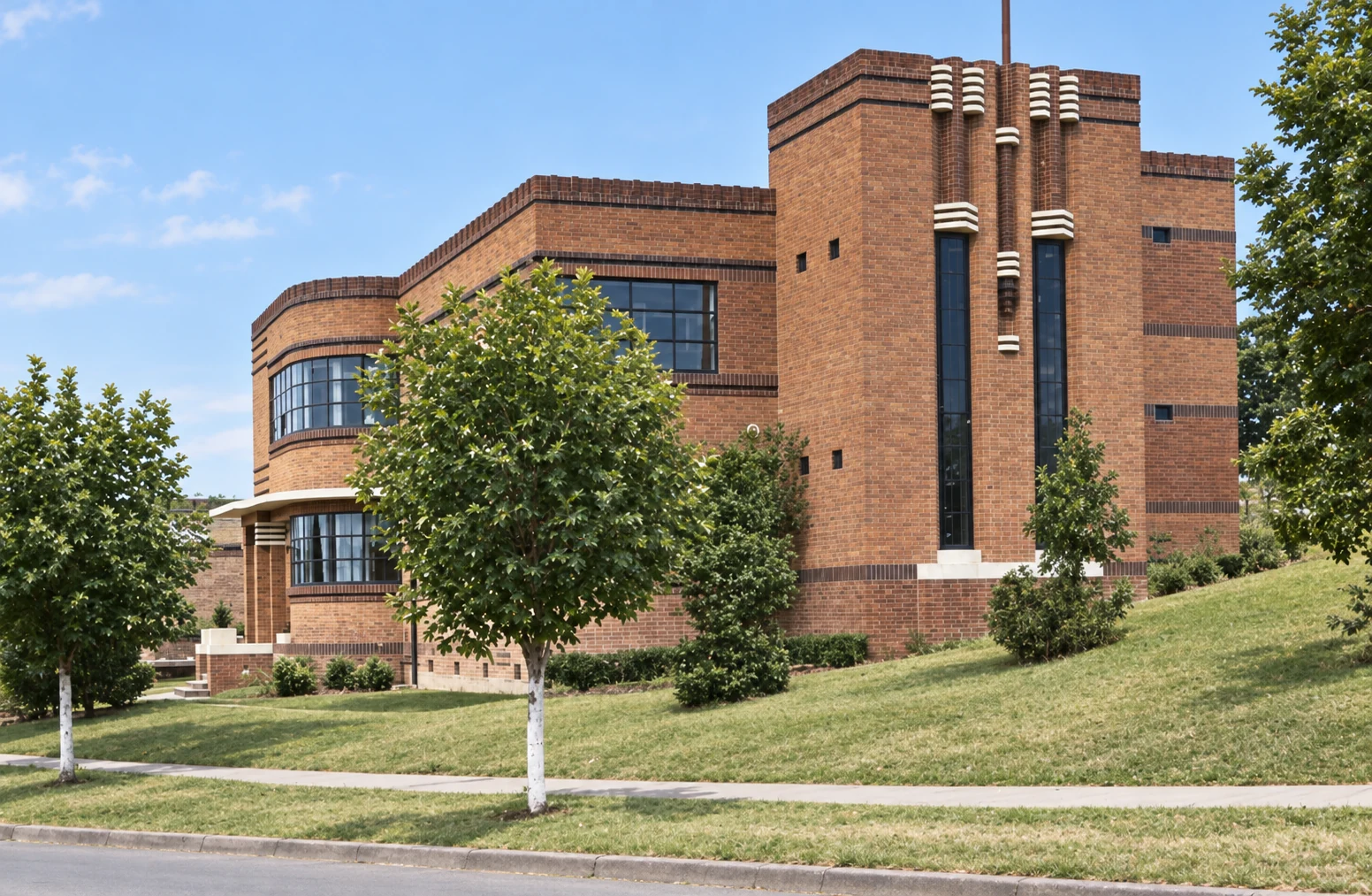
In 1928, a technical school opened in the new town of Yallourn. Victoria’s emerging electricity system needed skilled people. Generators, transmission lines, mines and workshops all depended on workers who understood their craft and could apply it precisely. Yallourn Technical School became part of the infrastructure that made this possible, providing classes for apprentices alongside certificate and diploma courses and connecting education directly with the State Electricity Commission and the industries developing around it.
Its motto expressed the idea in three words: Knowledge is Power. The motto belonged naturally in a town built to generate electricity. It also described a larger truth about Yallourn. The town generated capability as well as power, and the knowledge developed there travelled forward through generations of students, teachers, tradespeople and institutions. That legacy still shapes Gippsland.
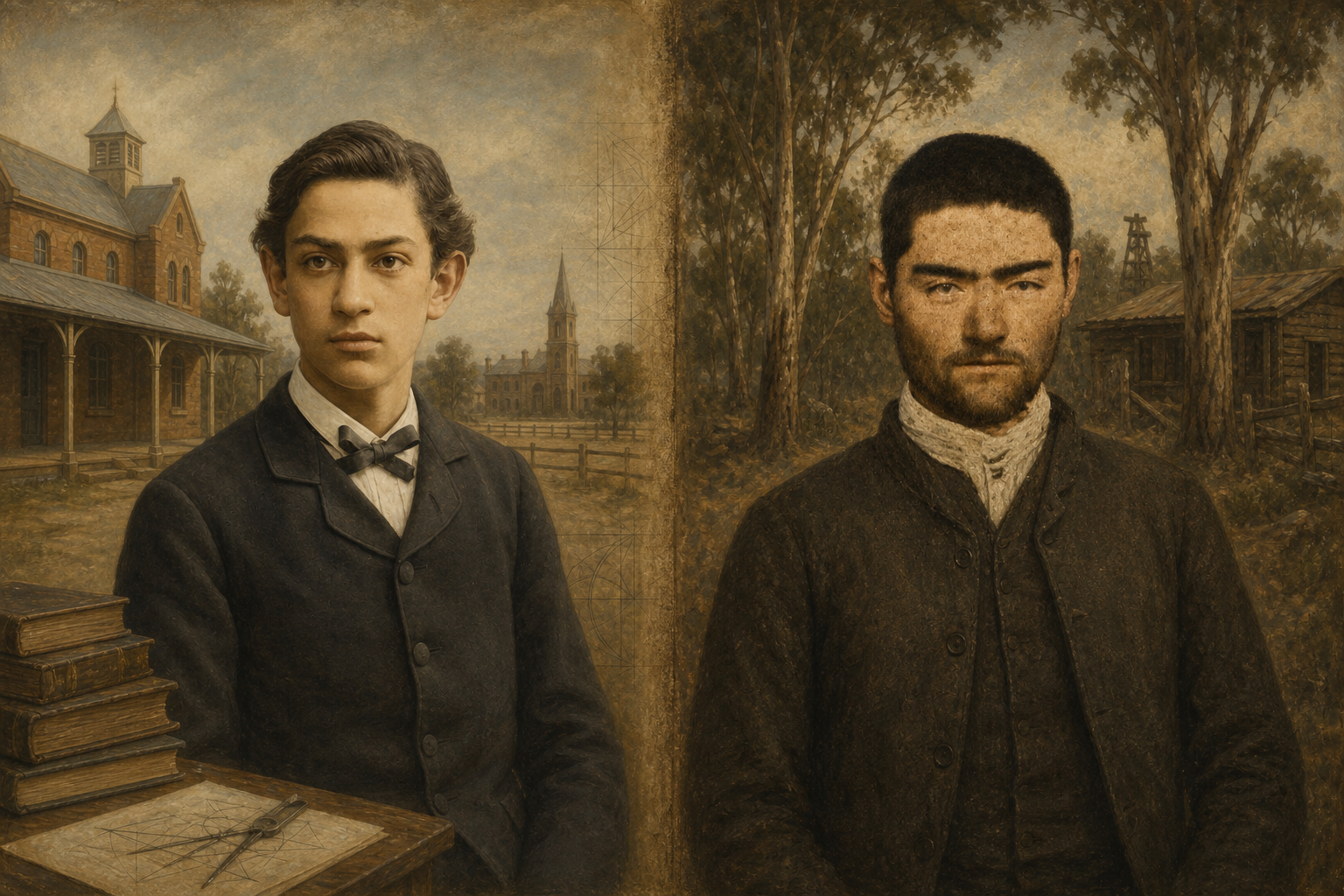
Yallourn Technical School began with an immediate industrial purpose. Apprentices combined practical work with formal instruction, while students pursued certificates and diplomas that could carry them into skilled trades, engineering and technical leadership. Engineering education developed from the school’s earliest years. Its historical records identify the first engineering student in 1928. The first Diploma in Electrical Engineering was awarded in 1934, followed by Mechanical Engineering in 1935 and Civil Engineering in 1955.
These qualifications were taught in the Latrobe Valley while the region was building an electricity system of statewide importance. Knowledge moved between classrooms, workshops and workplaces. A lesson learned at a bench or drawing board could become part of the system supplying power across Victoria.
The school helped establish a regional expectation: people in Gippsland could learn advanced skills locally and use them to undertake work of lasting consequence. The strength of that training became visible in the achievements of its apprentices.
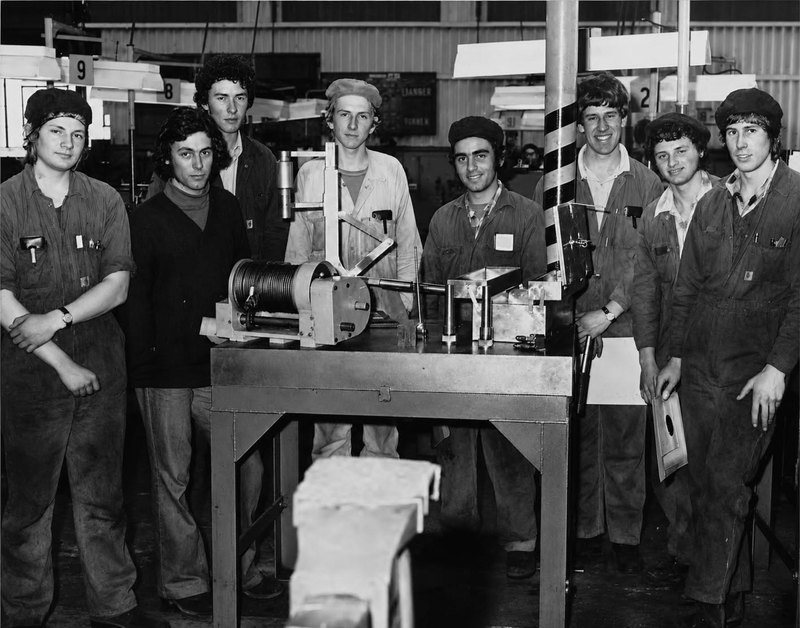
In 1972, eight first-year State Electricity Commission apprentices from the Latrobe Valley entered Victoria’s Annual Craft Awards, and six received awards or commendations. Lenny van Berkel earned a bronze medal for a multi-drawer toolbox. David Mintern received a special honourable mention. John Gatt, John Christiansen, David Fyfe and Colin Sim received honourable mentions.
They were young people near the beginning of their working lives. Their results reflected the care of the apprentices themselves and the system around them: teachers, instructors, workshops and experienced tradespeople passing on what they knew.
The standard was visible in the finished work. Accuracy mattered. Craftsmanship mattered. Knowledge mattered. Their story is preserved by the Sir John Monash Museum in The Apprentices Who Powered Victoria, giving names and human scale to a much larger history of technical education in the Latrobe Valley.
As technical education expanded, Yallourn Technical School became Yallourn Technical College. Its work then contributed to two major branches of Gippsland’s tertiary education system. The college’s diploma section separated and relocated to Churchill, becoming the Gippsland Institute of Advanced Education. Through later institutional changes, that higher-education branch became Monash University’s Gippsland campus and joined Federation University in 2014.
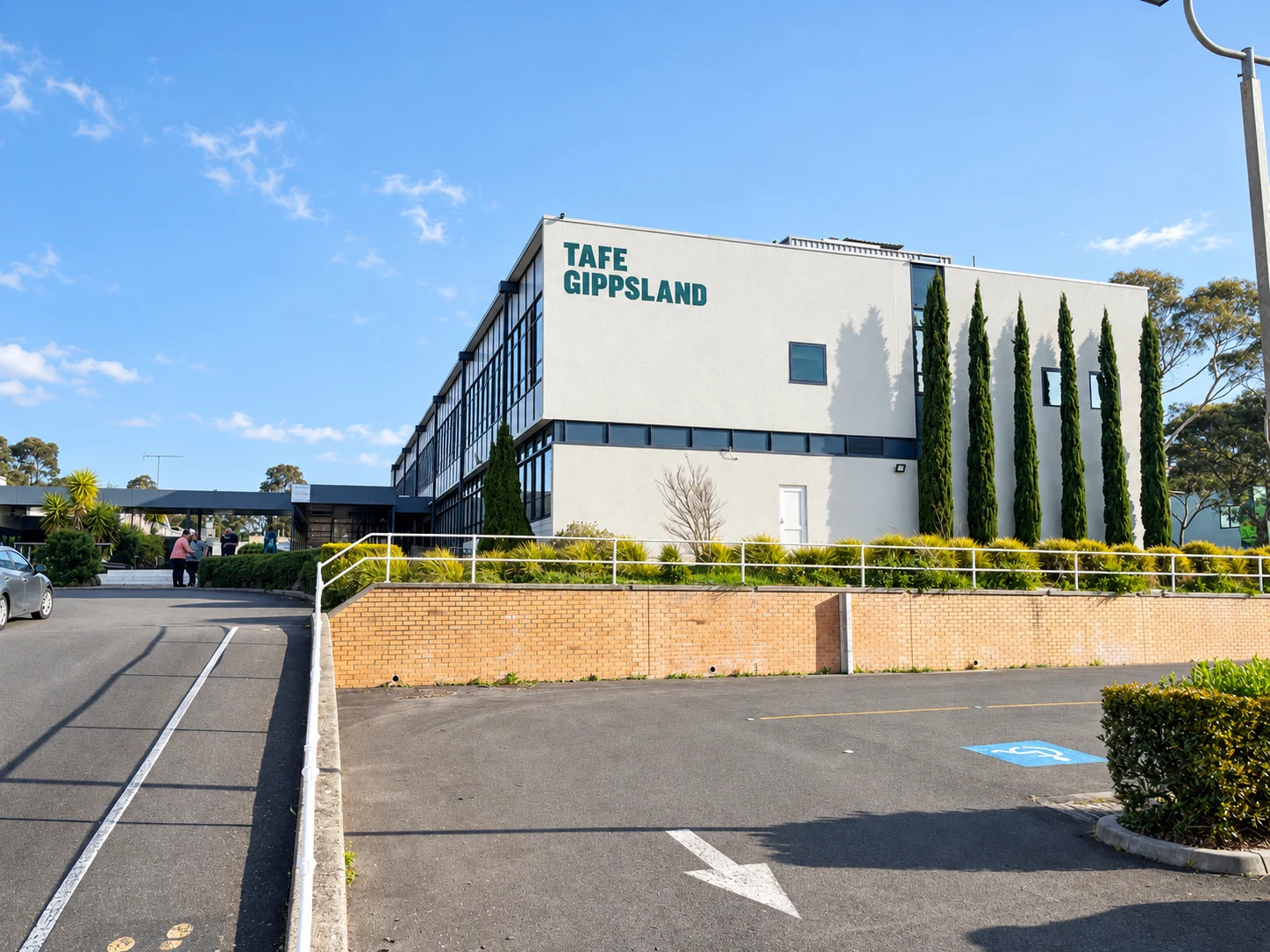
The vocational branch also grew. Structural changes and new campuses during the 1980s and 1990s produced Central Gippsland TAFE. It became GippsTAFE in 2002. Central Gippsland Institute of TAFE and Advance TAFE amalgamated in 2014 to create Federation Training, which adopted the name TAFE Gippsland in 2019.
Each change reflected the needs of its time. The enduring principle was practical education connected to the people, communities and industries of Gippsland. The institutional line carries Yallourn’s learning culture into the present and reveals how deeply technical education is woven into the region’s identity.
TAFE Gippsland received significant state and national recognition in 2023. It was named Large Training Provider of the Year at the Victorian Training Awards, recognising excellence in vocational education and training, including the quality of delivery, responsiveness to students and industry, innovation and organisational performance. TAFE Gippsland then represented Victoria at the Australian Training Awards and received the national silver award in the same category.
Student experience provides another important measure. TAFE Gippsland’s 2024 annual report recorded overall student satisfaction of 85 per cent, describing it as one of the highest ratings in Victoria’s TAFE network.
Behind that figure are individual moments of learning: a student entering a workshop for the first time, a teacher explaining an unfamiliar process, an apprentice repeating a task until accuracy becomes instinct, and a person realising that a new skill can open the way to meaningful work. The tools and training environments have evolved, while the human exchange at the centre of education remains familiar.
Gippsland is again living through major industrial change. The energy system is moving into a new era, industries are adopting new technologies, and communities need skilled people across trades, construction, health, community services, agriculture, maritime work and other essential fields. Vocational education is helping the region prepare.
In 2026, a new Clean Energy Centre opened at TAFE Gippsland’s Morwell campus. The centre supports training in areas including solar energy, battery systems and hybrid and electric vehicles. TAFE Gippsland also leads the Renewable Energy TAFE Centre of Excellence, working with partner institutions to build clean-energy training capability.
The connection with Yallourn is powerful. In 1928, technical education equipped local people for an emerging electricity industry. Almost a century later, Gippsland is building the knowledge needed for another transformation in energy and industry. The technologies are different, but the regional task is familiar: give people the skills to participate in change and the confidence to help shape it.
The history of education in Gippsland lives in institutions, qualifications and awards. Its deepest value lives in people: in the student who discovers an ability they can build a life around, the teacher who turns experience into understanding, the tradesperson who guides an apprentice towards a higher standard, and the knowledge carried from one generation of workers to the next.
Yallourn itself has disappeared from the landscape, yet the culture of learning fostered there continues to serve the region. It can be traced through the achievements of the 1972 apprentices, through the growth of Gippsland’s vocational and higher-education institutions, and into the classrooms and workshops preparing people for the work ahead.
That continuity belongs in Gippsland’s story. It shows a region with a long record of developing skill, adapting to industrial change and contributing far beyond its boundaries. The workers who built and operated Victoria’s electricity system understood the value of practical knowledge, and the students preparing for Gippsland’s next chapter are carrying the same inheritance forward.
Knowledge was power in Yallourn. In Gippsland, it still is.