
Three circles changed the way people imagined a town.
Town. Country. Town-Country.
Ebenezer Howard placed those words at the centre of his famous Three Magnets diagram. Around each circle he gathered the forces that draw people towards a place: employment, wages, society, beauty, fresh air, open land and food. He also recorded the pressures that shaped each choice, including rent, crowding, distance and limited opportunity.
The diagram gave ordinary life a visible structure. People wanted work and company. They wanted space, nature and health. They wanted culture, recreation, food and a home. Howard brought those desires into one frame and made a bold proposal: a place could be planned so these parts strengthened one another.
He called that place Town-Country.
The Three Magnets traces the idea from Howard's page to its influence at Yallourn. Its enduring power lies in one clear insight: the quality of a place lives in the relationships between its parts.
Howard's third magnet joined homes and gardens with employment. Parks, schools, shops, public buildings and recreation supported daily life. Farms and open land held a close relationship with the settlement. Rail connected one garden city with others.
The proposal also gave land, finance and stewardship a central role. Howard envisaged land held for the settlement, with rising rental value supporting development costs and community purposes. Streets, services, green space, transport and civic life belonged to the same system.
That is the real force of the third magnet. A place becomes attractive when its parts work together. A home gains value from the street around it. A street gains life from the homes, gardens and people along it. Employment supports households. Parks and recreation create room for movement and meeting. Shops, schools and public buildings give shared life a practical form.
Every relationship adds to the pull.
Yallourn gives the idea a Latrobe form
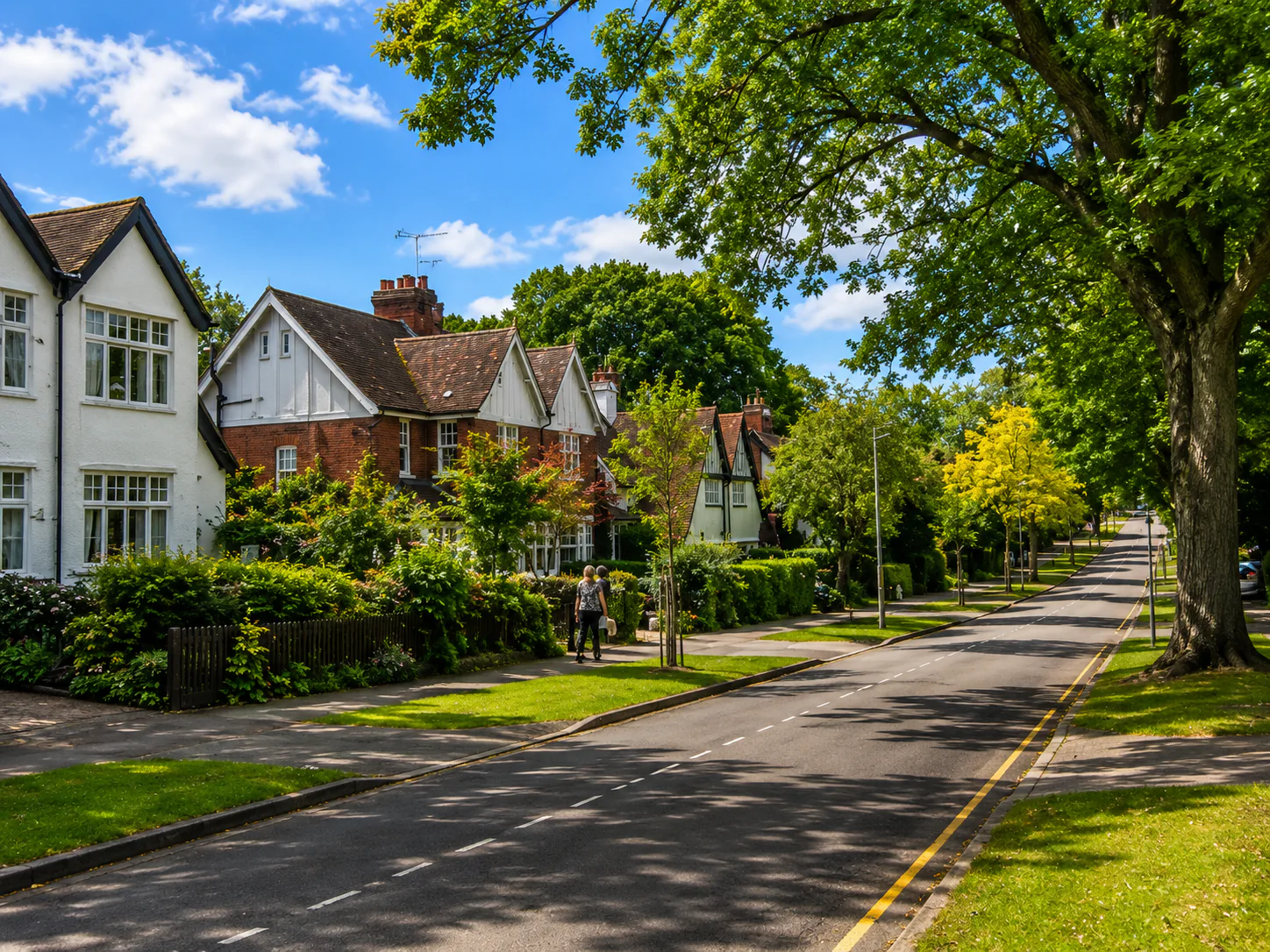
Garden-city thinking reached the Latrobe Valley through the international planning movement Howard helped set in motion.
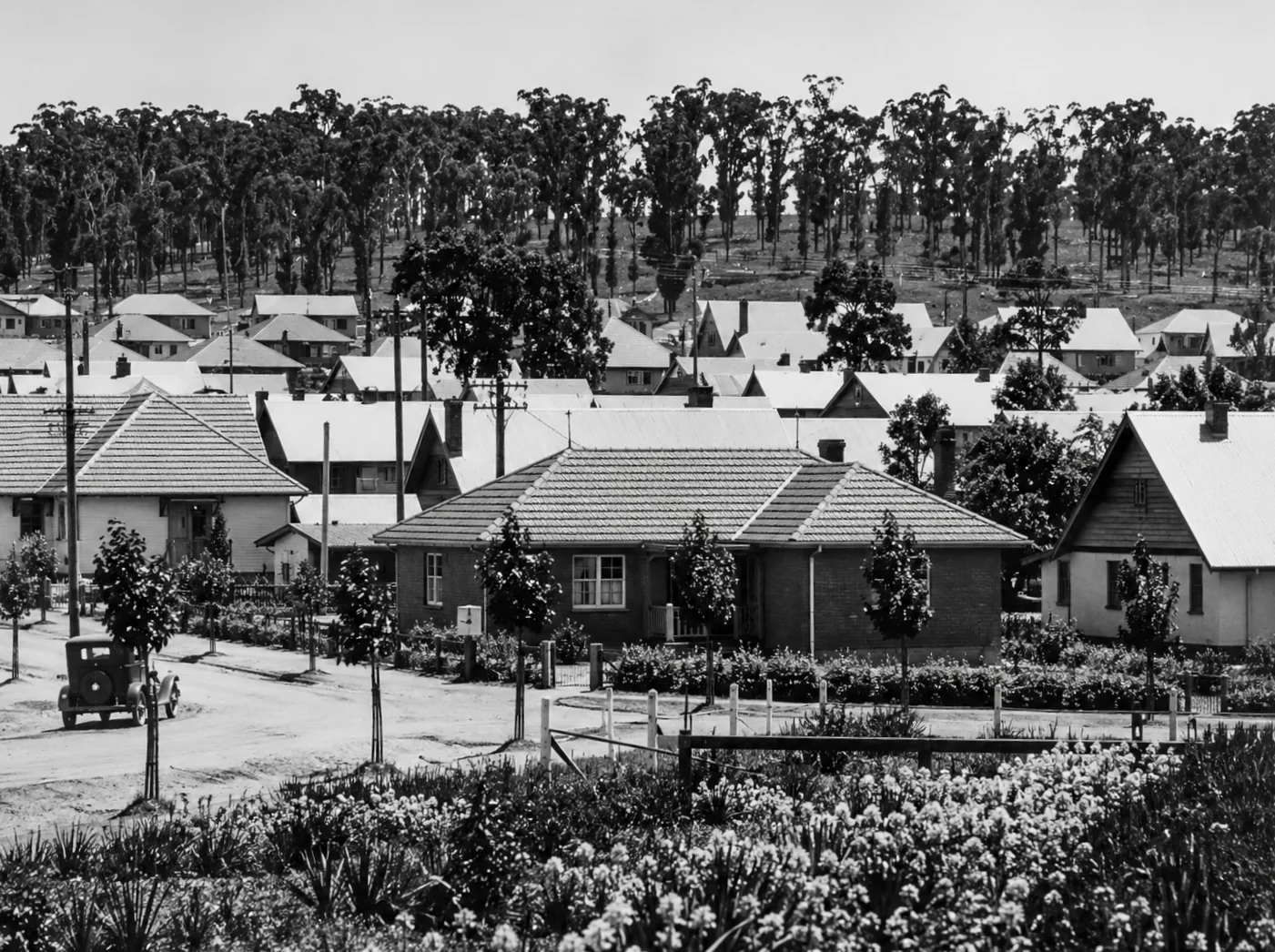
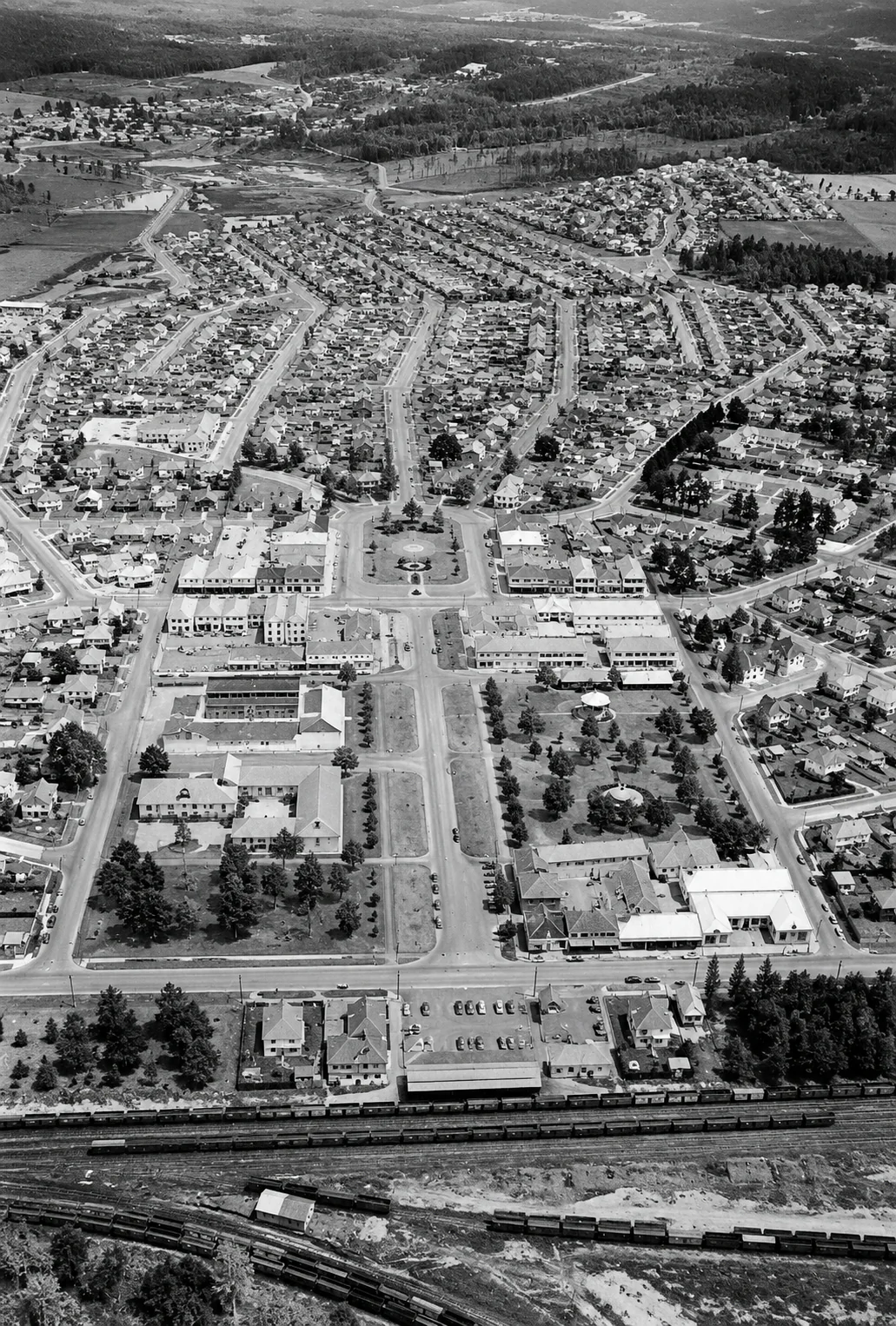
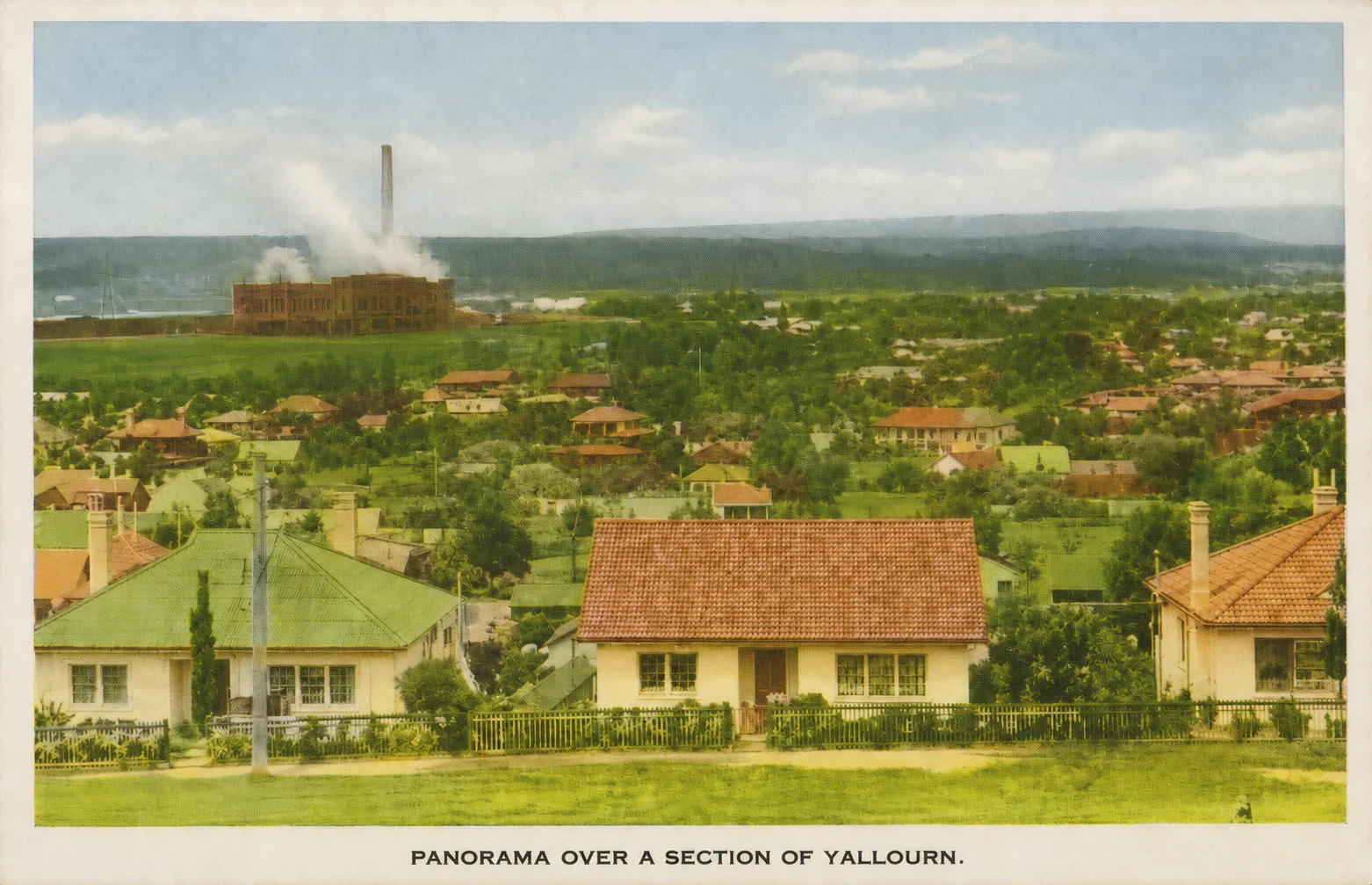
The State Electricity Commission built Yallourn to house workers and families beside the brown-coal mine and power station. Its planners brought homes, employment, a civic centre, radiating streets, green areas, sporting grounds, schools, public facilities and domestic gardens into one designed town. Home plots gave residents room to grow vegetables. Public planting carried living landscape through streets and shared places.
Yallourn placed ownership, employment and town administration with the State Electricity Commission. Howard's model placed land in trust for the settlement and directed its rising value towards community purposes. These systems gave authority and stewardship different forms. The physical relationships among work, home, landscape and recreation gave Yallourn its distinctive local expression.
The town's history gives Latrobe a direct connection to an international idea. It also gives the region something valuable to think with. Plans shape routes, spaces and opportunities. People give those structures daily life through work, cultivation, recreation, meeting and care.
The same human desires continue to shape decisions about place. People seek a home, useful work, green space, services, recreation and connection. Each part becomes stronger through its relationship with the others.
Latrobe City's adopted Council Plan carries a vision of a liveable, sustainable and connected city, supported by economic opportunity and a healthy, inclusive community. That vision names the scale of regional ambition.
Everyday care gives the vision a lived scale.
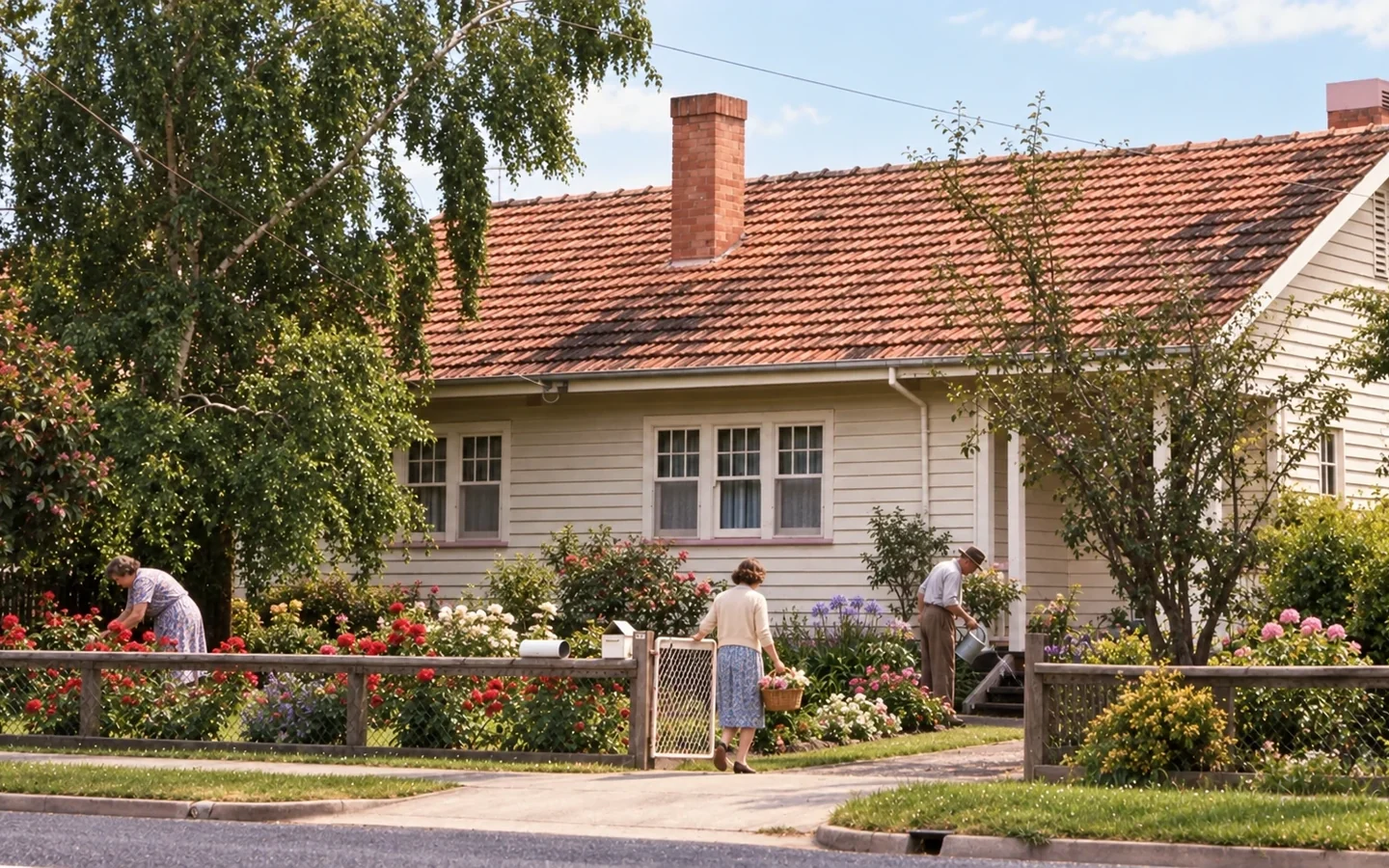
A garden creates a relationship between a household and the street. A frontage can bring colour to a familiar route. A verge can hold plants that support local life. A courtyard or balcony can turn limited space into a deliberate place. An acreage or rural garden can bring cultivation, habitat, food and beauty into a larger landscape.
These acts are specific. They happen in real ground, at a scale someone can know and tend. Repeated care makes that relationship visible across seasons.
Power of Colour makes care visible
Power of Colour celebrates Latrobe's gardens, gardeners and shared creativity through garden visits, awards and community and industry showcases.
The initiative creates opportunities for people to show the places they have shaped and for the wider community to recognise the skill, attention and character present across the region. Separate gardens remain rooted in their own homes, streets and landscapes. The programme brings them into a shared regional story.
Two Garden Awards carry the Three Magnets idea into two distinct scales of care.

The Best Small Garden or Frontage award recognises an outstanding compact garden, frontage, verge, courtyard or balcony. It places creative agency within reach of people working with limited ground. A small space can create a strong relationship with a home, a street and the passing seasons.
The Best Large or Rural Garden award recognises an outstanding large, acreage or rural garden. It gives room to recognise care expressed across a broader landscape, where planting, cultivation and place can meet at greater scale.
Both awards welcome eligible gardens within the Latrobe City municipal boundary. Entries are assessed in place.
Registrations open 1 October 2026. Power of Colour Awards 2026 takes place on 14–15 November 2026. Saturday brings garden visits and assessment across Latrobe. Sunday brings community and industry showcases together at the Sir John Monash Museum.
The Power of Colour website provides the latest programme and award information ahead of registration.
Howard drew three magnets to show what pulls people towards a place. His third circle gathered the forces of daily life and gave them a shared direction.
Latrobe can carry that idea forward through the relationships people choose to strengthen.
Begin with the ground you have. A balcony. A courtyard. A frontage. A garden. A rural landscape. Care for it with purpose, and it becomes part of the place that draws people together.

Power of Colour
Power of Colour Awards 2026
Power of Colour celebrates Latrobe’s gardens, gardeners and shared creativity through garden visits, awards and community and industry showcases across 14–15 November 2026.
Explore the Power of Colour Awards

Sources
- Power of Colour — The Three Magnets
- Ebenezer Howard — Garden Cities of To-Morrow
- Town and Country Planning Association — Garden City Principles
- UK Parliament — The birth of town planning
- Public Record Office Victoria — The town that was: Yallourn
- Latrobe City Council — Council Plan and Community Vision 2025–2029
- Power of Colour Awards 2026
- Power of Colour Registration
- Power of Colour