A question can enlarge what a community believes it can build.
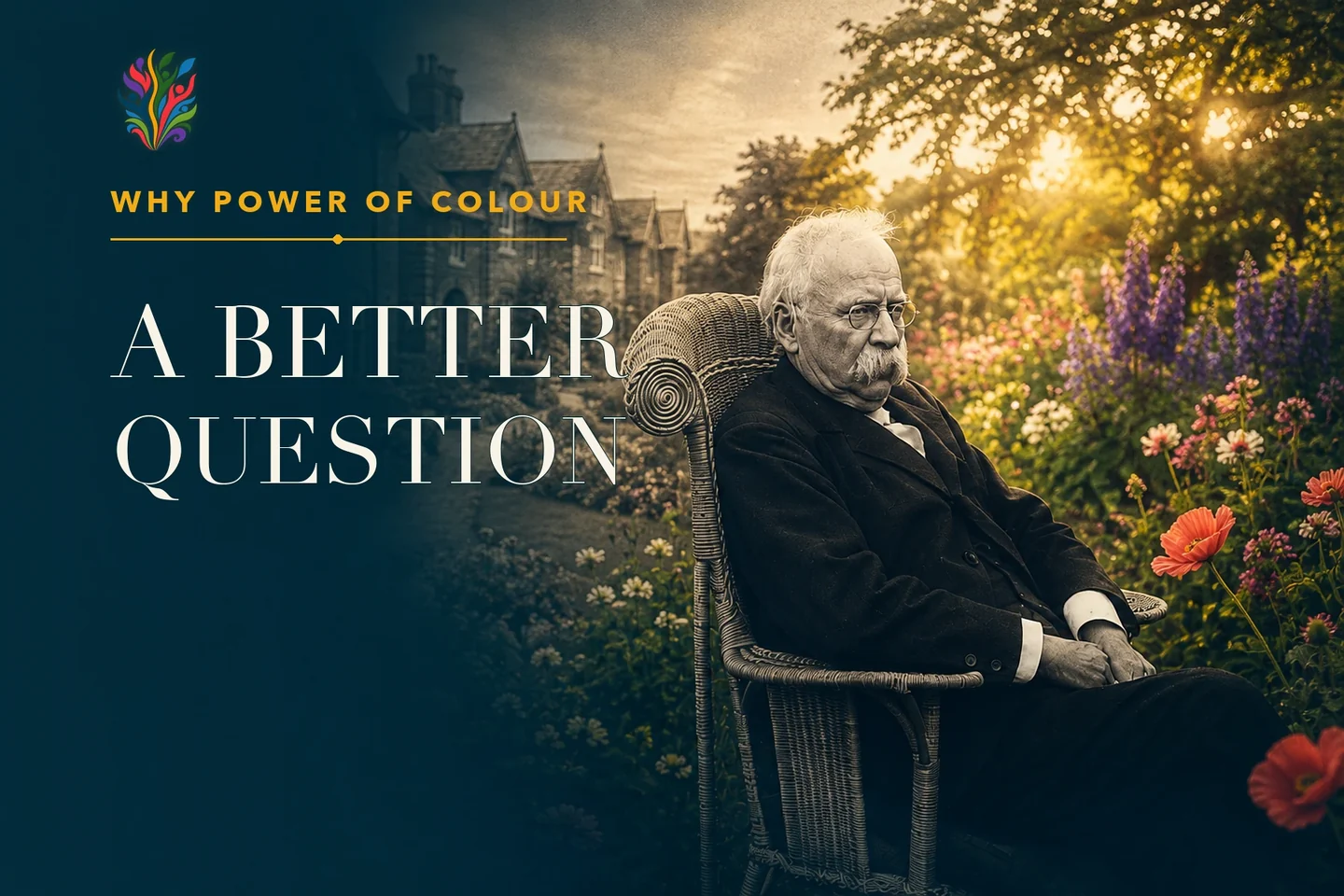
Ebenezer Howard spent his working days listening to debates in the British Parliament and turning spoken arguments into an official record. His own enduring contribution began with a question about ordinary life: how could people share the opportunities of the town and the beauty of the country within the same life?
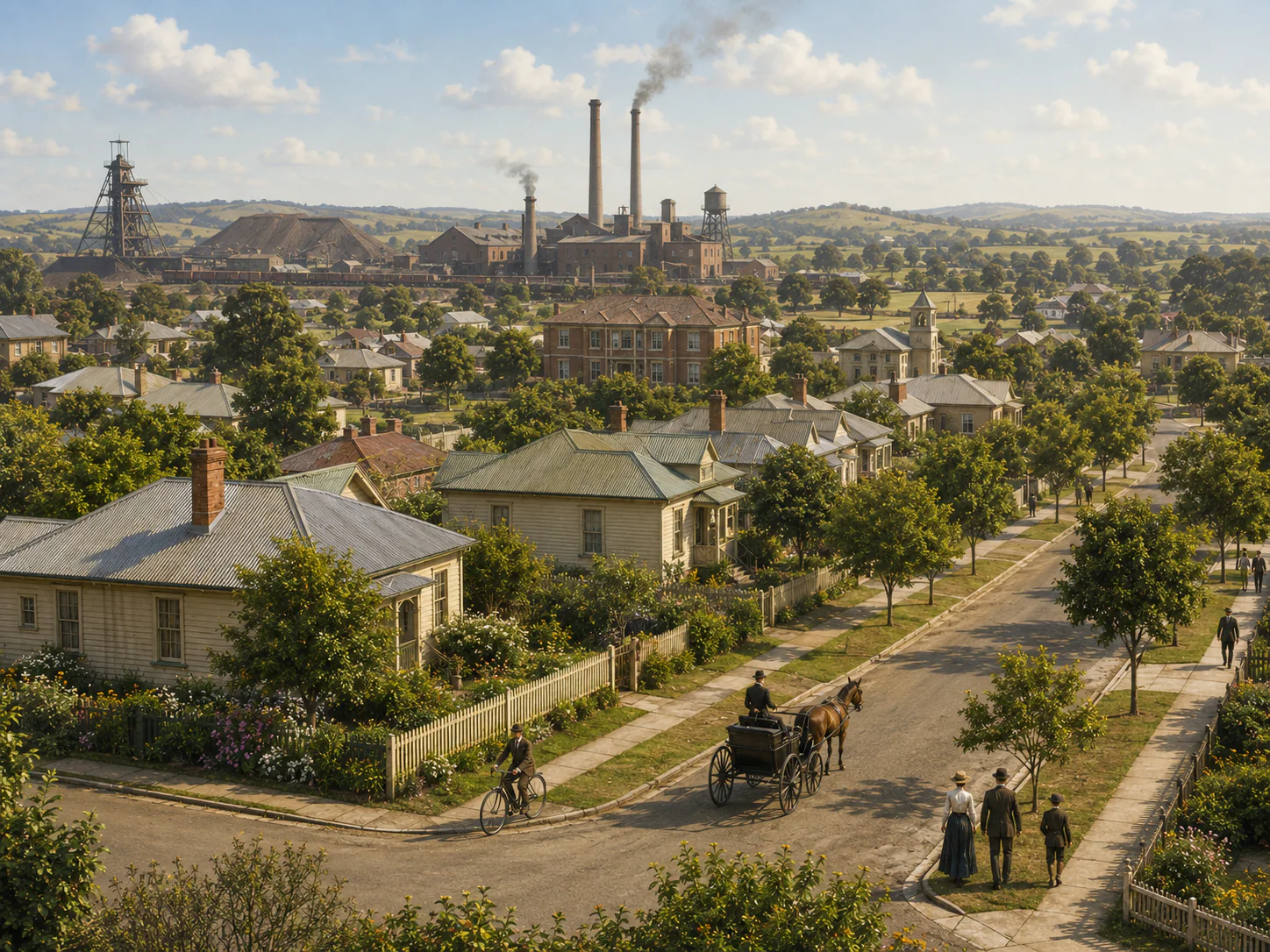
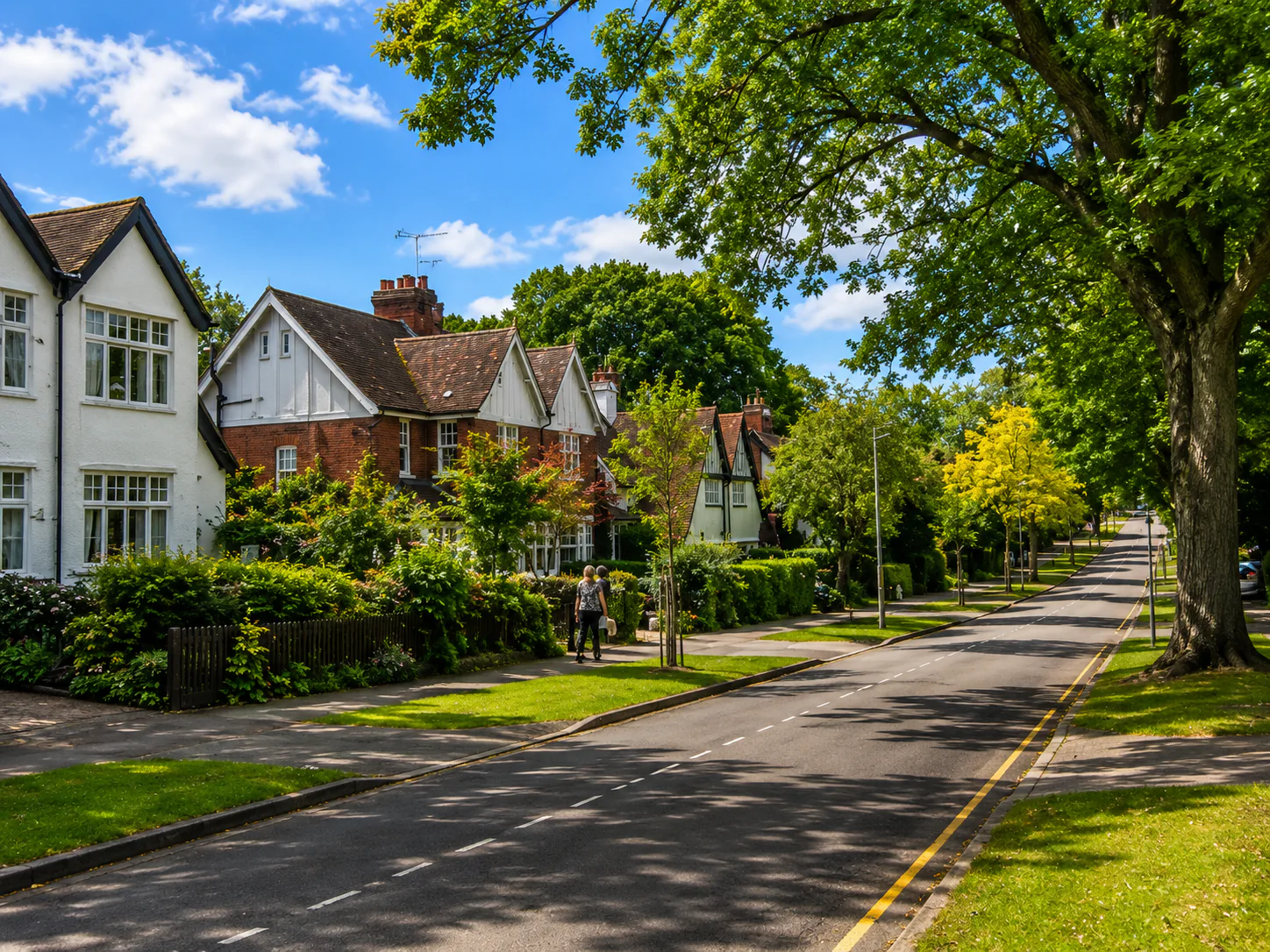
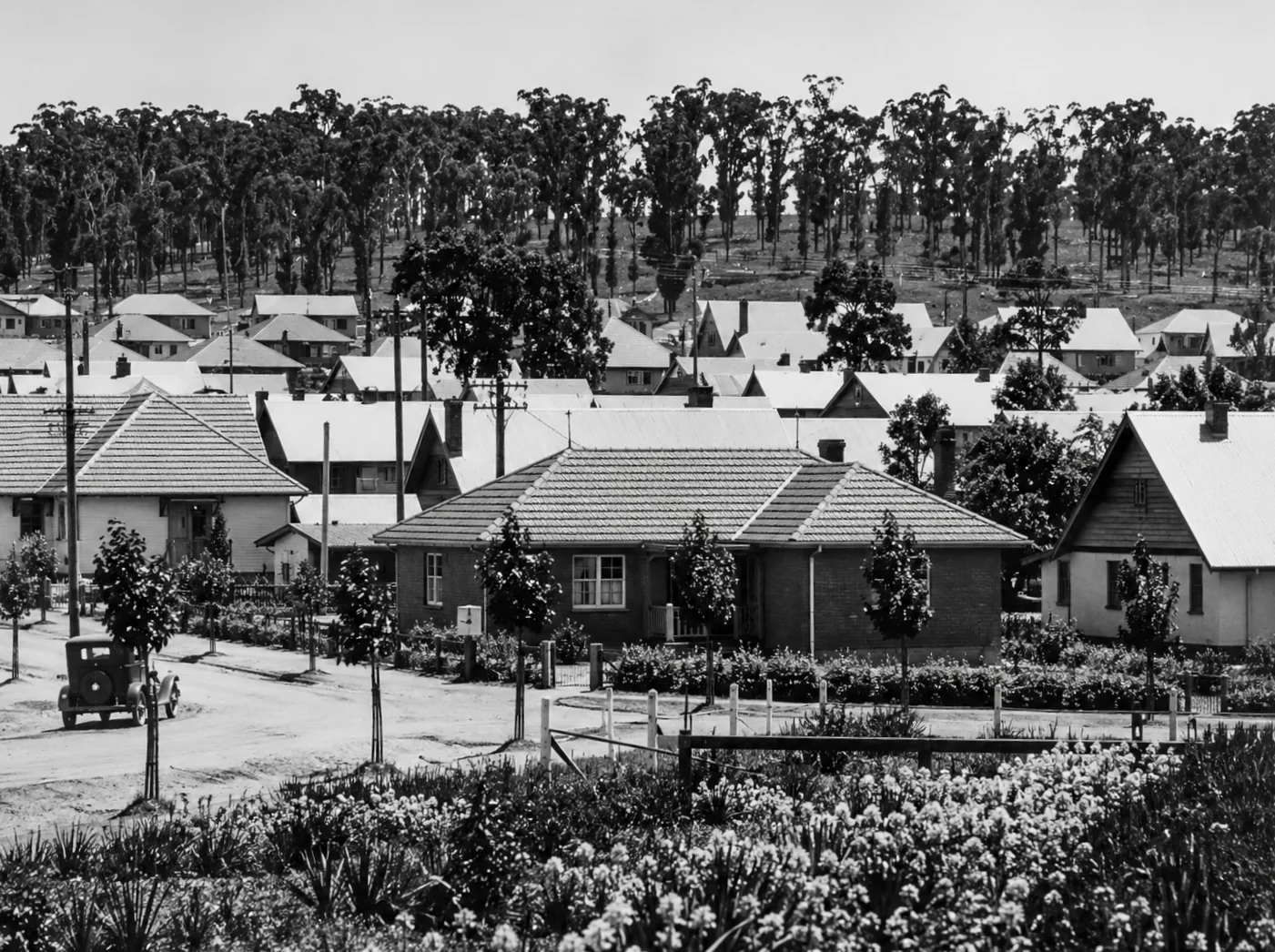
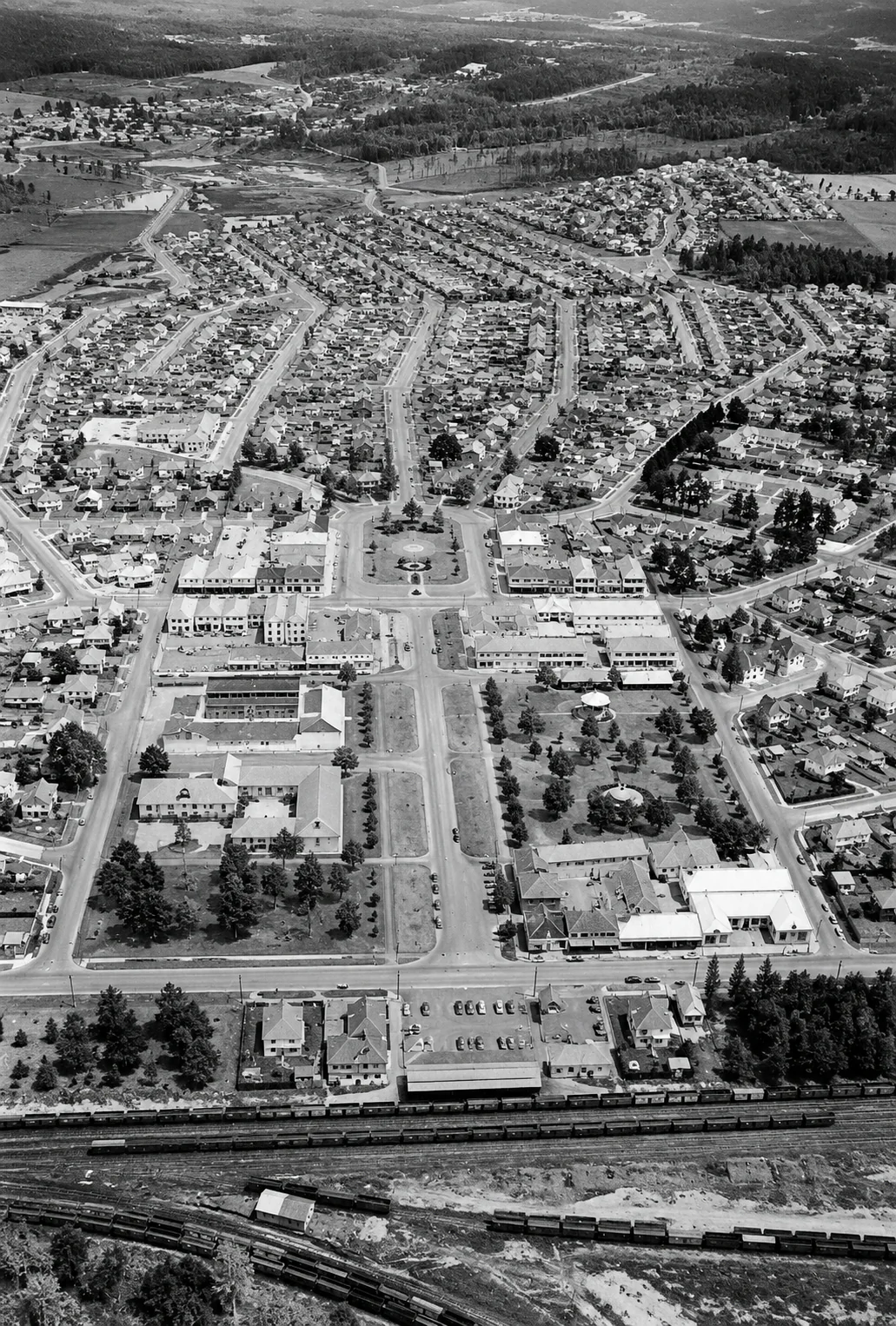
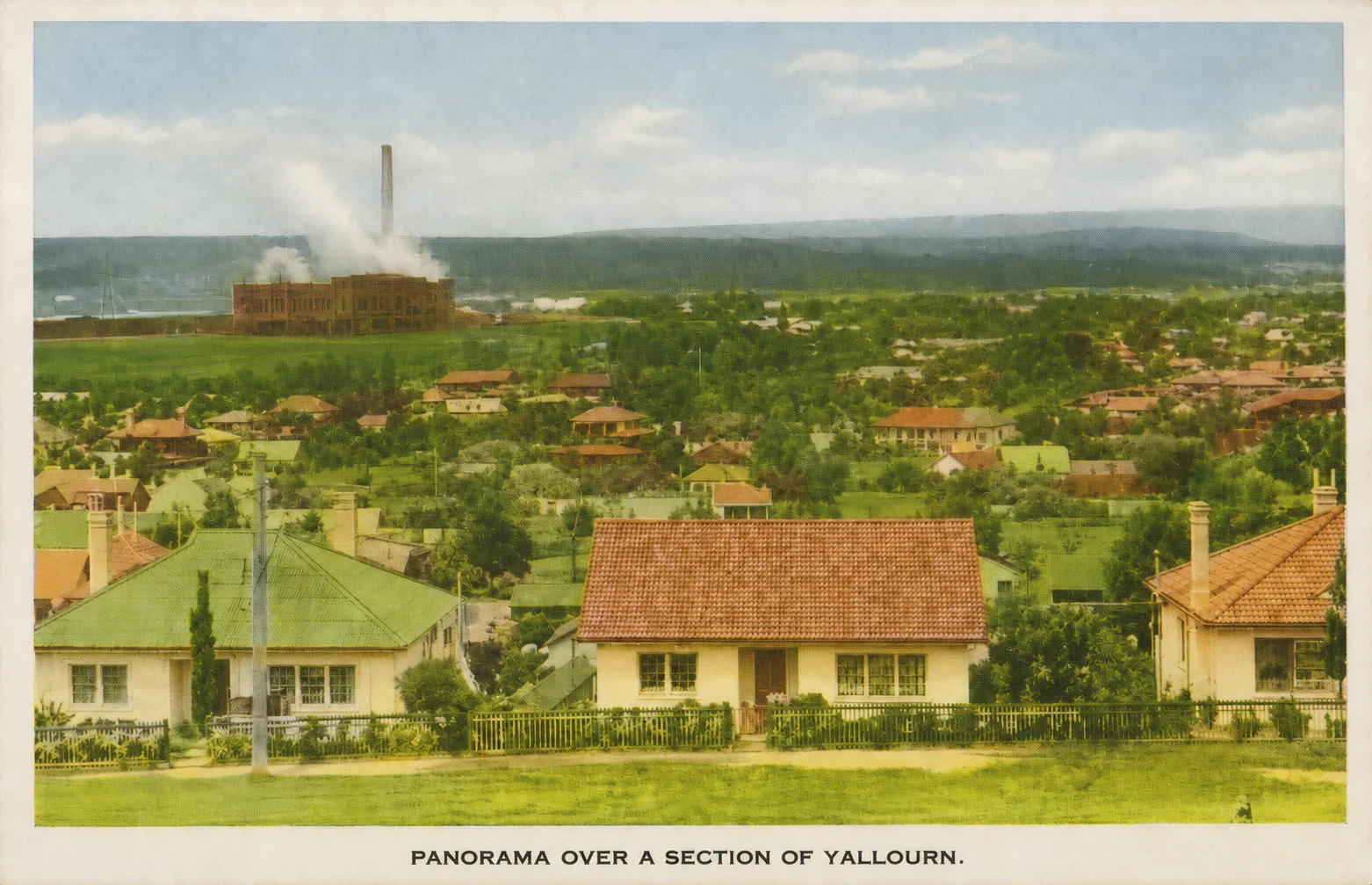
The Man Who Asked a Better Question follows that question from Howard's writing to the people who gave it physical form. It establishes the historical movement: publication in 1898, organisation in 1899, work at Letchworth from 1903, Welwyn Garden City in 1920 and the later influence of selected garden-city principles on Yallourn.
Eden of the East Foundation now asks what Howard's method can offer Latrobe today and into the future.
The question as a civic tool
Howard considered parts of life together. Homes and work sat in relationship with parks, schools, culture, recreation, transport and food-producing land. Finance and community stewardship belonged within the proposal as well. His question created a frame in which many forms of knowledge and effort could meet.
That method has present value because the quality of a place is made through relationships. A garden can express one household's choices and contribute colour to a street. Plant knowledge can move between neighbours. Public space can support movement, rest and meeting. Local work can bring nature into homes and occasions. Community recognition can make the people behind these contributions easier to see.
Latrobe supplies its own setting, history and answers. The region's towns, rural areas, industries, gardens, parks, streets and community organisations carry different needs and strengths. A shared question gives people room to consider how those parts can strengthen one another.
A local answer made through participation
Power of Colour celebrates Latrobe's gardens, gardeners and shared creativity through garden visits, awards and community and industry showcases.
The initiative aims to make care shown by our people visible. It creates opportunities for gardeners to share what they have shaped, for neighbours to notice the character and knowledge present in their streets, and for the region to recognise many contributions within one programme. Each entry remains its own place and story. Together, the entries can form a public picture of how people bring nature, skill and attention into everyday life.
Participation also keeps the answer open. A resident may begin with a frontage, a productive patch, a rural garden or an established landscape. The gardener decides what belongs in that place. Power of Colour provides a shared frame in which those individual decisions can be seen, discussed and celebrated. Value lies in creating a credible invitation and a structure through which people can take part.
Two awards in focus
The Power of Colour Award recognises the Best Overall Garden. It gives the Garden Awards a broad point of recognition and invites attention to the complete contribution a garden makes through design, cultivation, care and place.
The Latrobe’s Favourite Garden Award is chosen by the community from the participating gardens. It gives people a direct role in recognising a garden that speaks to them and makes community attention part of the programme.
Both awards sit within the Saturday Garden Awards stream. The entered garden must be located within the Latrobe City Council municipal boundary.
Dates and the next practical step
Registrations open 1 October 2026. Power of Colour Awards 2026 is on 14–15 November 2026. Saturday centres garden visits and assessment across Latrobe; Sunday brings the community and industry showcases together at the Sir John Monash Museum.
Power of Colour website provides the latest programme and award information with the registration portal opening 1 October 2026.
Before registration opens Eden of the East Foundation invites people to look again at the ground they already know: the garden at home, a planted frontage, a street shaped by many separate choices, or a public place sustained by repeated care. Howard's question became useful because other people could enter it. Power of Colour invites Latrobe to keep answering through the places people shape together.

Power of Colour
Power of Colour Awards 2026
Power of Colour celebrates Latrobe’s gardens, gardeners and shared creativity through garden visits, awards and community and industry showcases across 14–15 November 2026.
Explore Power of Colour