 Eden of the East

Before a young tree could become part of Yallourn, it had to leave the nursery.
A horse dray carried it through the gates and towards the streets, parks, schools or reserves where it would grow. Behind it lay five acres of nursery ground, with bush beyond the house and stables for the draught horses that did the work before utility vehicles arrived.
The journey began long before the wheels moved. Someone had selected the plant, propagated it, watched its growth and prepared it for the ground beyond the nursery. The place people would eventually experience as green and settled was already taking shape in a sequence of skilled decisions.
John “Jock” Lawson brought years of horticultural training to that work. Born in Scotland in 1901, he worked at Glasgow Botanic Gardens while studying botany at night, trained at the Royal Botanic Gardens, Kew, and came to Yallourn after working at Ballarat Botanical Gardens. He took responsibility for Yallourn's nursery in the late 1920s.
His full story is told in _Jock Lawson: The Gardener Who Grew a Town_. The title captures the scale of his responsibility. The work itself belonged to Lawson and the teams around him: nursery workers growing ahead of demand, garden crews establishing trees and maintaining public ground, and people carrying knowledge from one season into the next.
Their task reached across the town. Plants were propagated for streets, schools, public gardens and seasonal beds. Trees needed establishing. Hedges needed shaping. Reserves needed care. Failed plants needed replacements ready to leave the nursery. Brown-coal fire risk brought fire-resistant planting and firebreak maintenance into the same horticultural brief.
Each finished view rested on work that had happened earlier. A seasonal display began with propagation and timing. An avenue began with young trees and years of establishment. A clipped line of hedge held the memory of every return with the tools.
Good care can become almost invisible in this way. People see the tree, the garden or the playing surface at the moment it is ready for them. The preparation recedes into the experience.
Yallourn's sporting grounds made that relationship especially clear. A 1936 newspaper report preserved by Virtual Yallourn recorded the condition of the new bowling green when visiting bowlers gathered for its opening. Lawson, serving as club president, welcomed them onto a surface where horticultural work and community life met.
In 1955, Lawson and his assistant Alf White prepared Yallourn Oval and its wicket for a match between an MCC touring side led by Sir Leonard Hutton and a Victorian Country XI. The players arrived to find the surface ready. Beneath that readiness sat soil, water, cutting, weather, timing and judgement.
The crowd came for cricket. The work beneath the game made the occasion possible.
Lawson's contribution continued through the bowling club, horticultural society, recreation reserves and school council. Professional practice and community service shared the same ground. His knowledge helped shape places; his participation helped those places carry a social life.
A shared place gains its character through people whose work enters other people's days. They grow the plants, prepare the surface, maintain the edge, organise the club, teach a skill or return when another season asks for attention.
The result belongs to ordinary experience. Someone walks beneath a tree whose establishment they never saw. A family passes a frontage shaped over years. A bowler reads a green through pace and line. A cricketer trusts the wicket under the next delivery. Each person meets the finished place through work already given.
Recognition changes the way we look. The tree still grows by the same means. The garden still needs the same care. The person seeing it now understands that beauty has a human history.
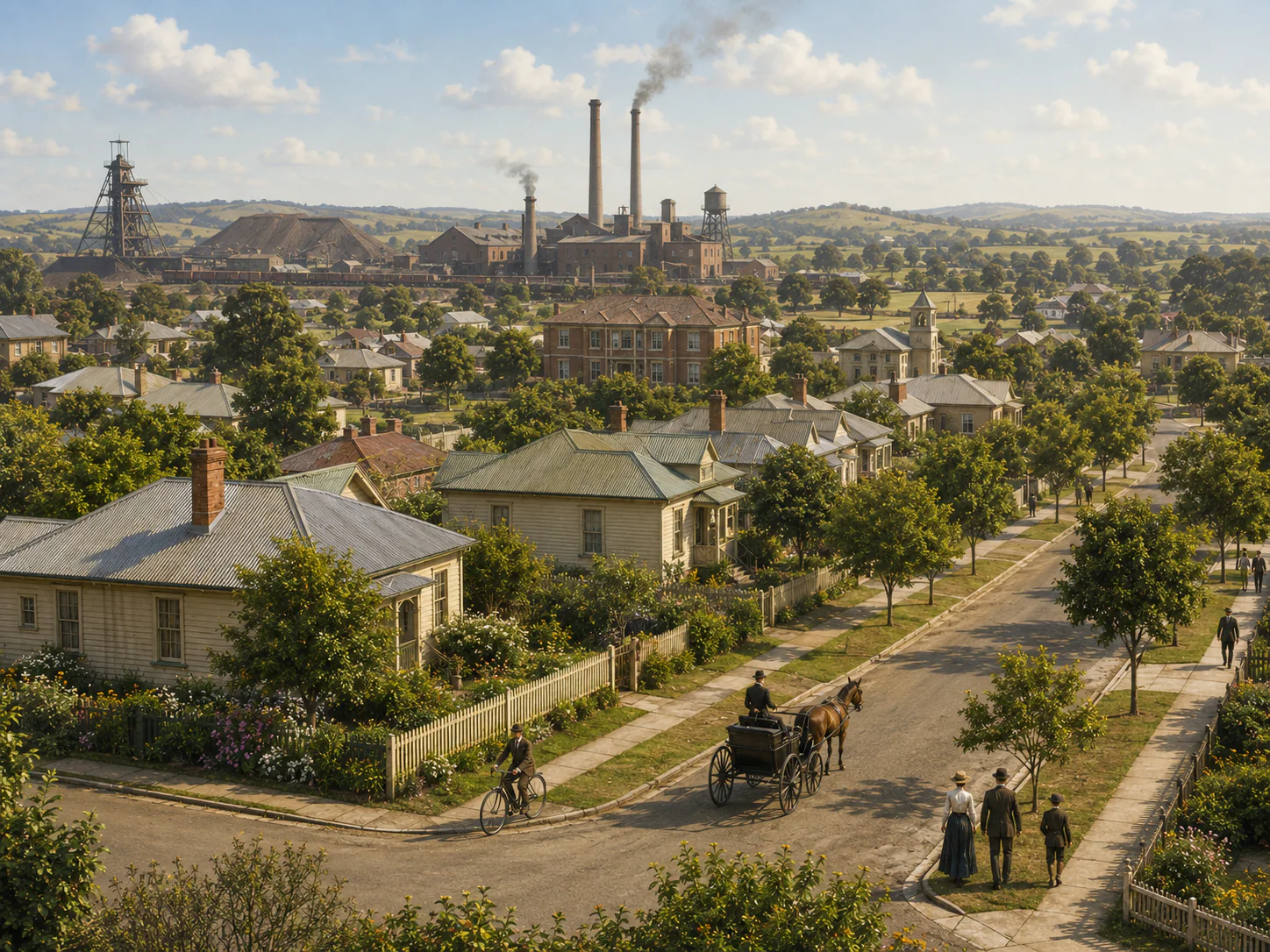
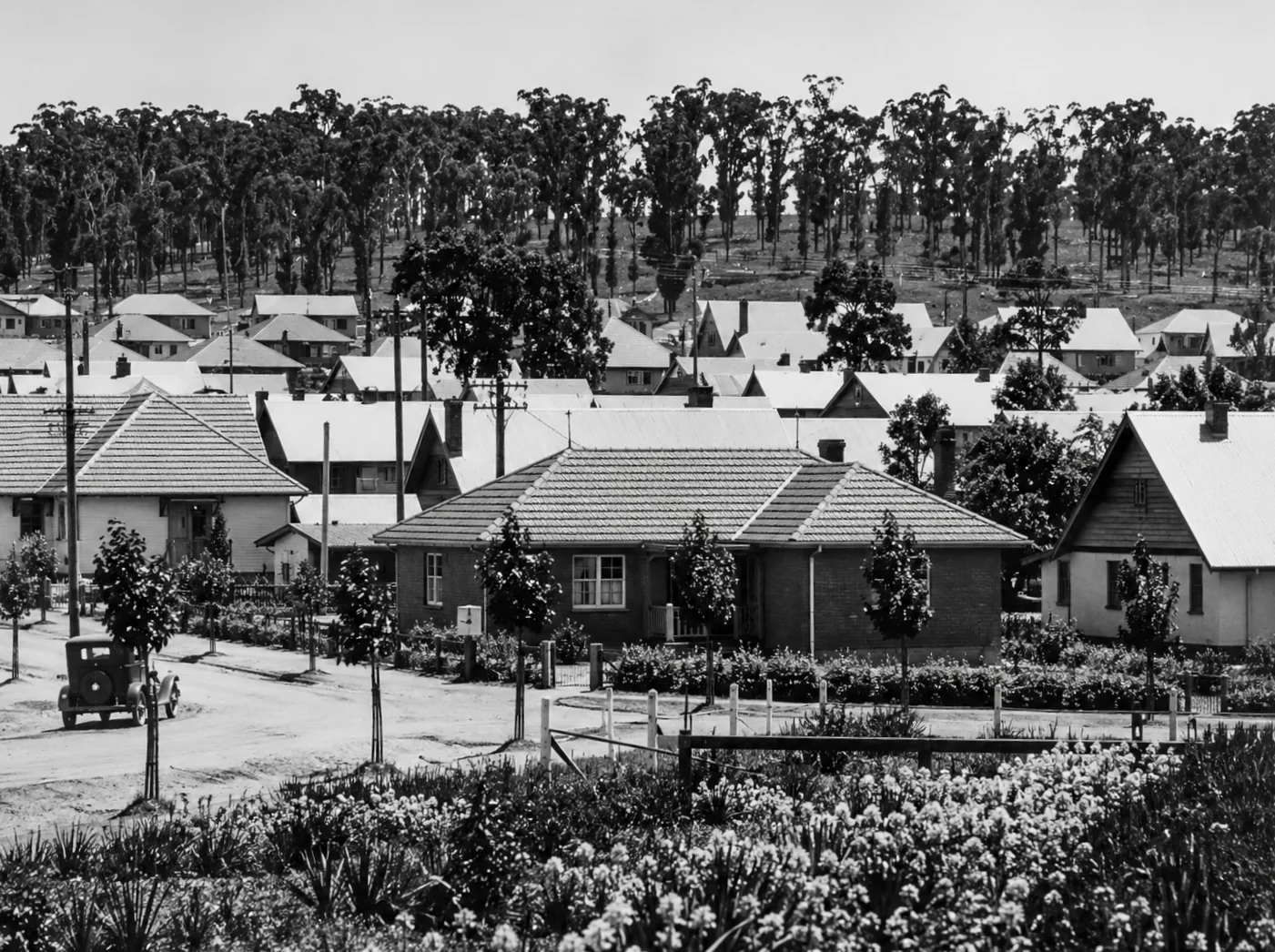
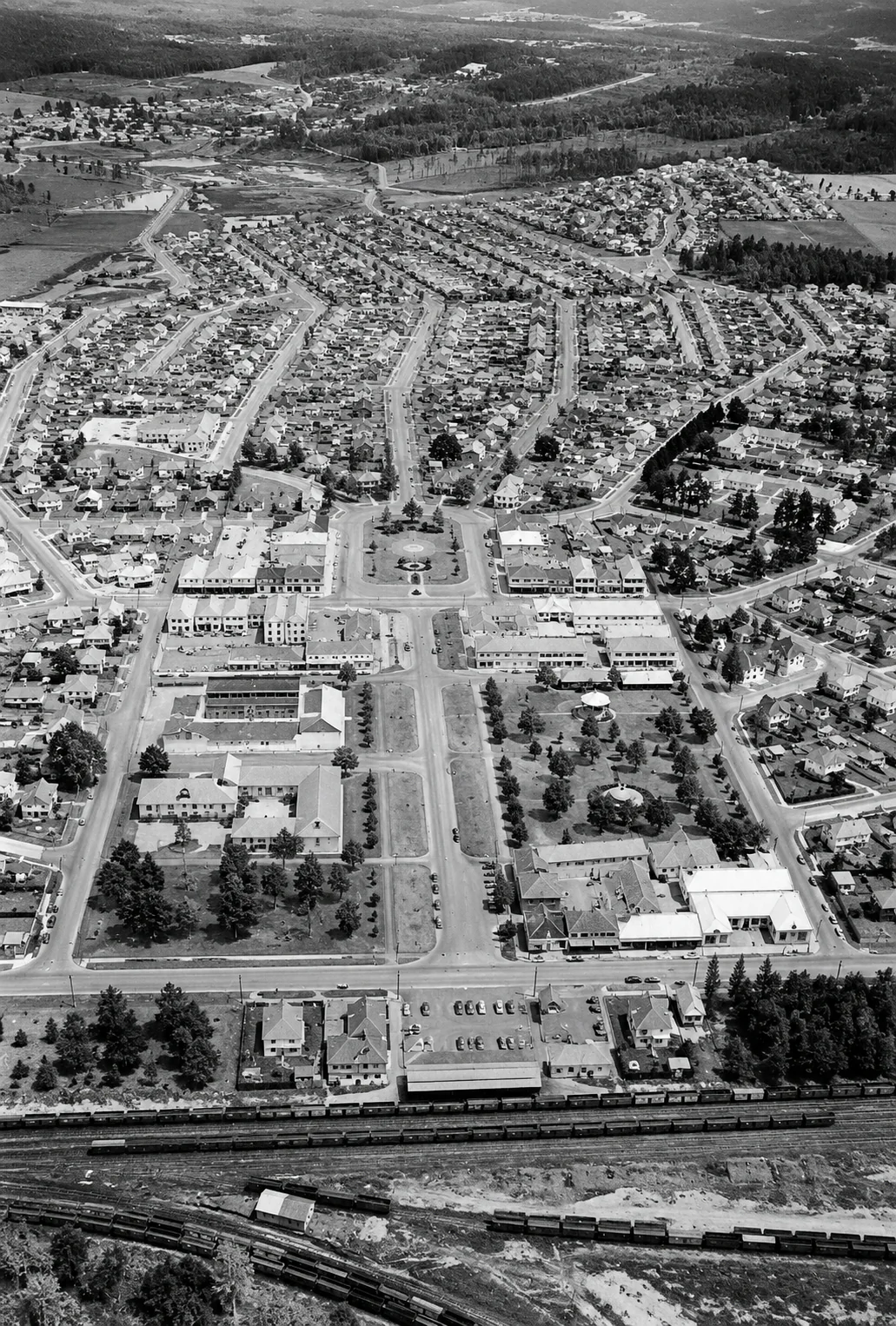
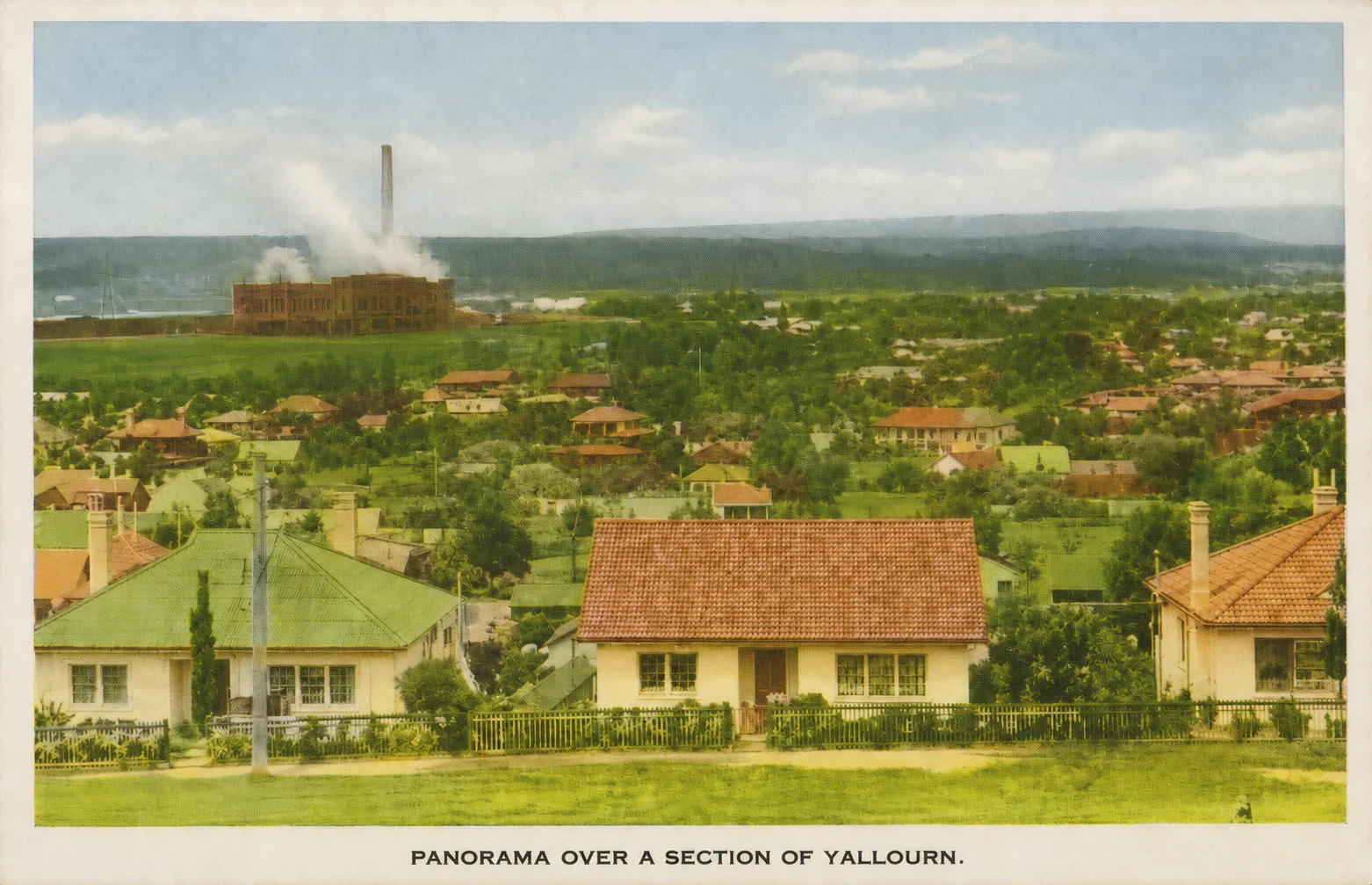
Latrobe carries a long relationship among industry, town building, horticulture and community life. Yallourn's nursery once sent living material into a planned electricity town. Gardeners, workers and residents then gave its landscape continuity and variation through their own attention.
The physical town has gone from the ground. Its horticultural record still offers a way to see the places around us. Beauty arrives through preparation. Character develops through repeated choices. Shared places carry the standards of the people who care for them.
Power of Colour brings that act of attention into the present. Gardens across Latrobe already express skill, personality, patience and response to local ground. The programme gives the community a shared frame in which to notice them.
Two of its Garden Awards speak directly to recognition.
The Power of Colour Award is the Best Overall Garden award. It draws attention to the complete garden and the many decisions held within its finished form.
Latrobe's Favourite Garden Award is chosen by the community from the participating gardens. It gives local people a direct role in recognising the garden that stays with them.
These awards offer two views of care. One considers the garden as a whole. The other records a community's choice. The garden reaches either moment through the work that came first: selecting, planting, learning, adjusting and returning.
Recognition can widen the story around that work. It can draw attention to a garden people pass regularly, give neighbours a reason to look again and make the gardener's accumulated choices visible within the life of the region.
It also leaves room for different scales of contribution. Lawson and his teams worked across a town. A household gardener may work along a frontage, around a small courtyard or across a rural property. The ground, purpose and resources change. The practice of attention remains recognisable.
Care for a place begins with the ground available and the next task it needs. The contribution becomes larger through continuity: another season, another replacement, another choice that allows a garden to meet the street or offer something to the people around it.
Registrations for Power of Colour are scheduled to open on 1 October 2026. The final form, eligibility rules, terms and assessment criteria will be published before registration opens. The current Award information is on the Power of Colour Awards page.
The dray leaving Yallourn's nursery carried young plants towards their public life. Years of work followed them into the ground. The hands behind that work gave streets, gardens and shared places their living form.
Every beautiful garden and cared-for shared place carries hands like these in its story. We begin to share in their care when we learn to see them.

Power of Colour
Power of Colour Awards 2026
The Power of Colour Award recognises the Best Overall Garden. Latrobe’s Favourite Garden Award is the participating garden chosen by the community. Registrations are scheduled to open on 1 October 2026, with the final form, eligibility rules, terms and assessment criteria to be published before opening.
Explore the Power of Colour Awards
Sources
- Power of Colour — Jock Lawson: The Gardener Who Grew a Town
- Sir John Monash Museum — Jock Lawson: Yallourn’s First Gardener
- Kew Guild Journal — John Lawson obituary
- Virtual Yallourn — Jock Lawson and the Yallourn Bowling Club
- Latrobe City Council — Latrobe City Heritage Study (2010)
- Power of Colour Awards 2026
- Power of Colour Registration