
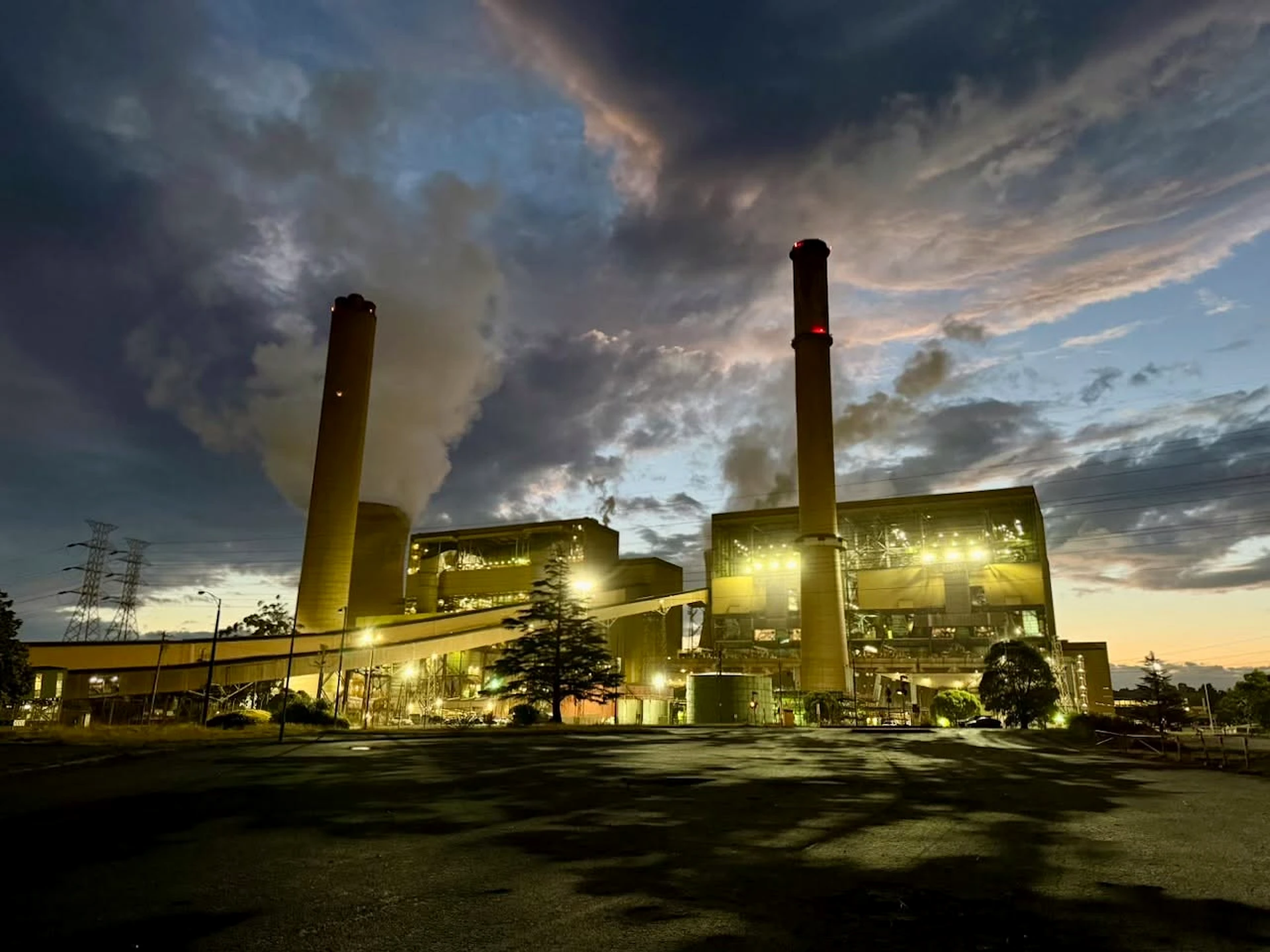
The gatehouse at Yallourn marks the threshold of an active industrial workplace. For Open House Latrobe, the official mine tour begins at that threshold and continues by minibus, with a member of the rehabilitation team guiding the journey through current operations and the work being planned for the land.
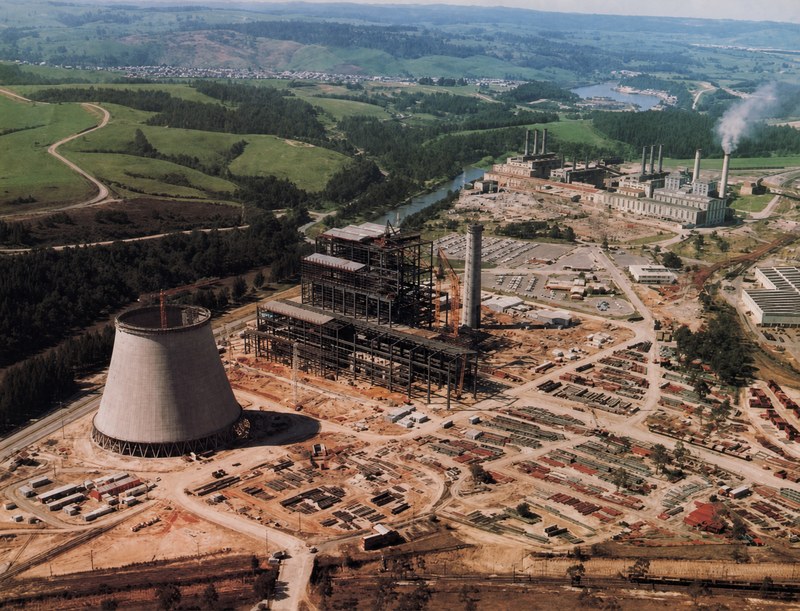
The tour brings the open cut and power station into the same journey. At Yallourn, coal feeds the boilers that produce superheated steam and drive the turbines. From selected viewpoints, visitors can step from the minibus onto gravel and uneven ground and see parts of the mine and power station from inside the industrial boundary. The tour runs for 90 to 120 minutes in groups of 22.
 Visit Open House Latrobe
Every part of that journey follows the requirements of a working mine. The tour requires advance booking, and participation follows the age, clothing, induction, sobriety and mobility conditions in the official listing. Those conditions shape the experience from its first step. They also place the people responsible for the site at the centre of the story.
The mine and power station remain part of Victoria's operating energy system. EnergyAustralia plans to retire Yallourn Power Station in mid-2028. The company is developing detailed closure and rehabilitation plans within Victoria's mine rehabilitation framework, where operators carry responsibility for creating safe, stable and sustainable landforms and government agencies provide for community engagement in the decisions ahead.
Mine staff continue to operate a large industrial system while rehabilitation staff prepare the land, workforce and region for the years that will follow generation. Both responsibilities draw on knowledge held in procedures, machinery, records and the experience of people who understand how the whole place works.
Operations · rehabilitation
Inside the Yallourn energy landscape
The power station, open cut, working machinery and historical record reveal the scale of Yallourn’s energy landscape.
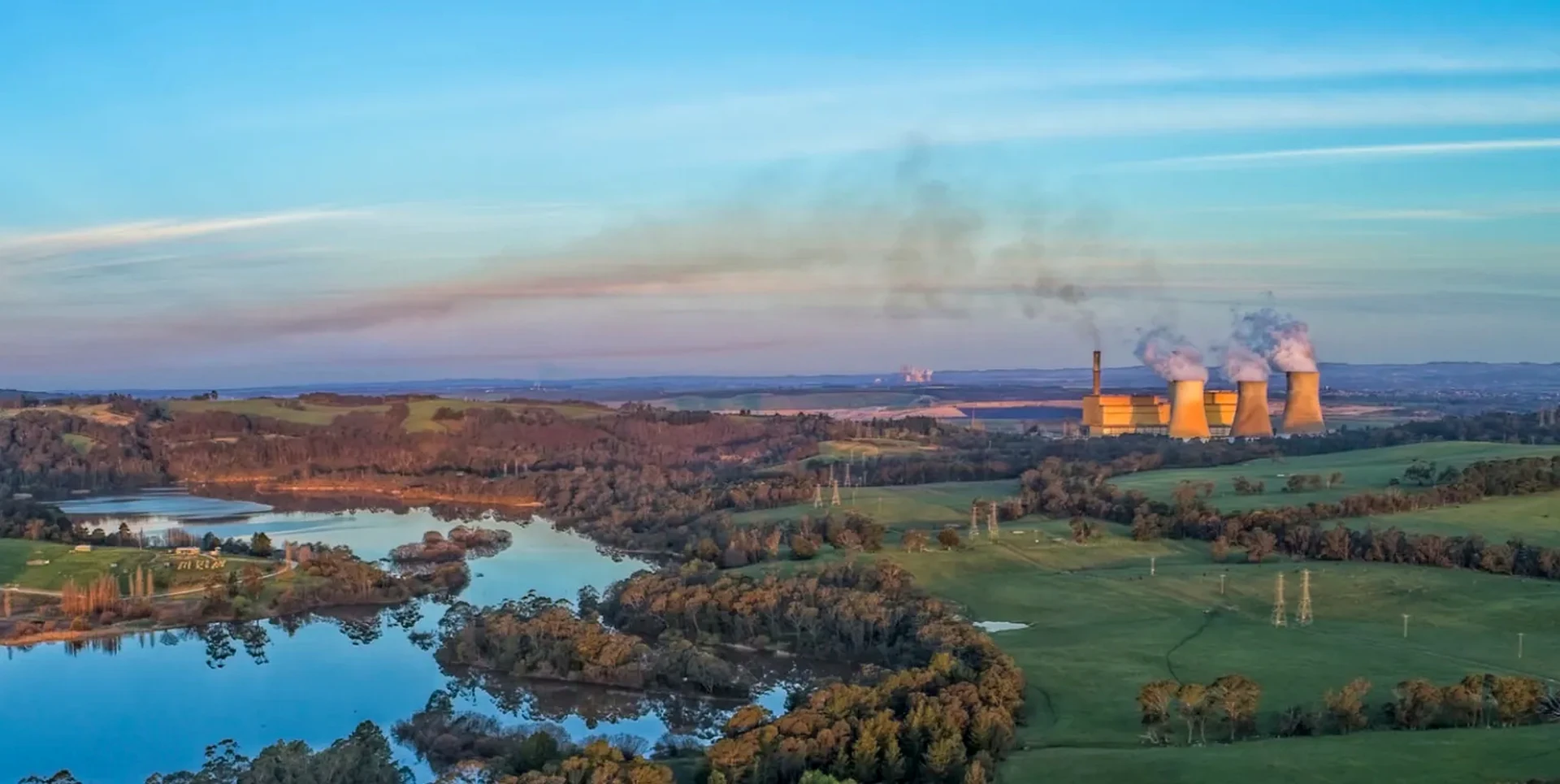
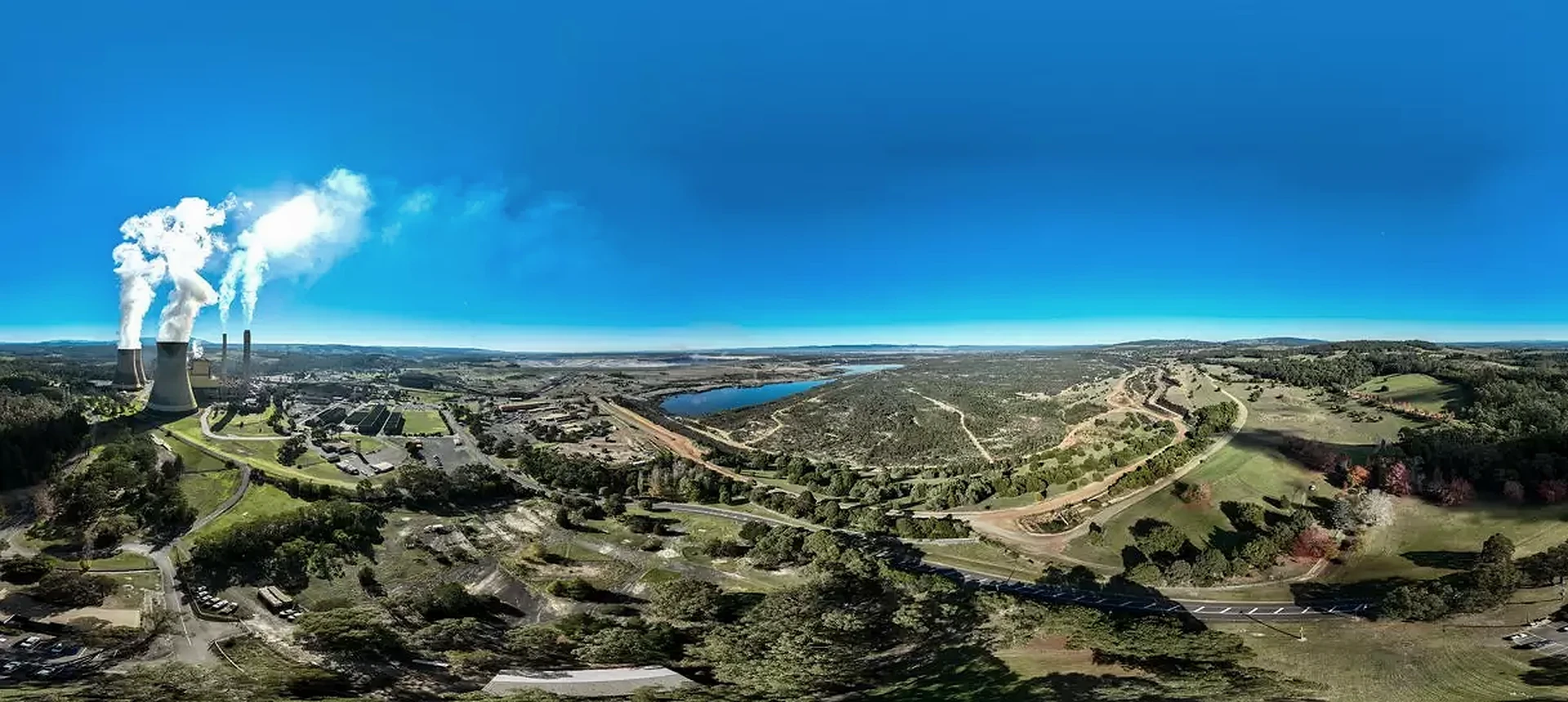
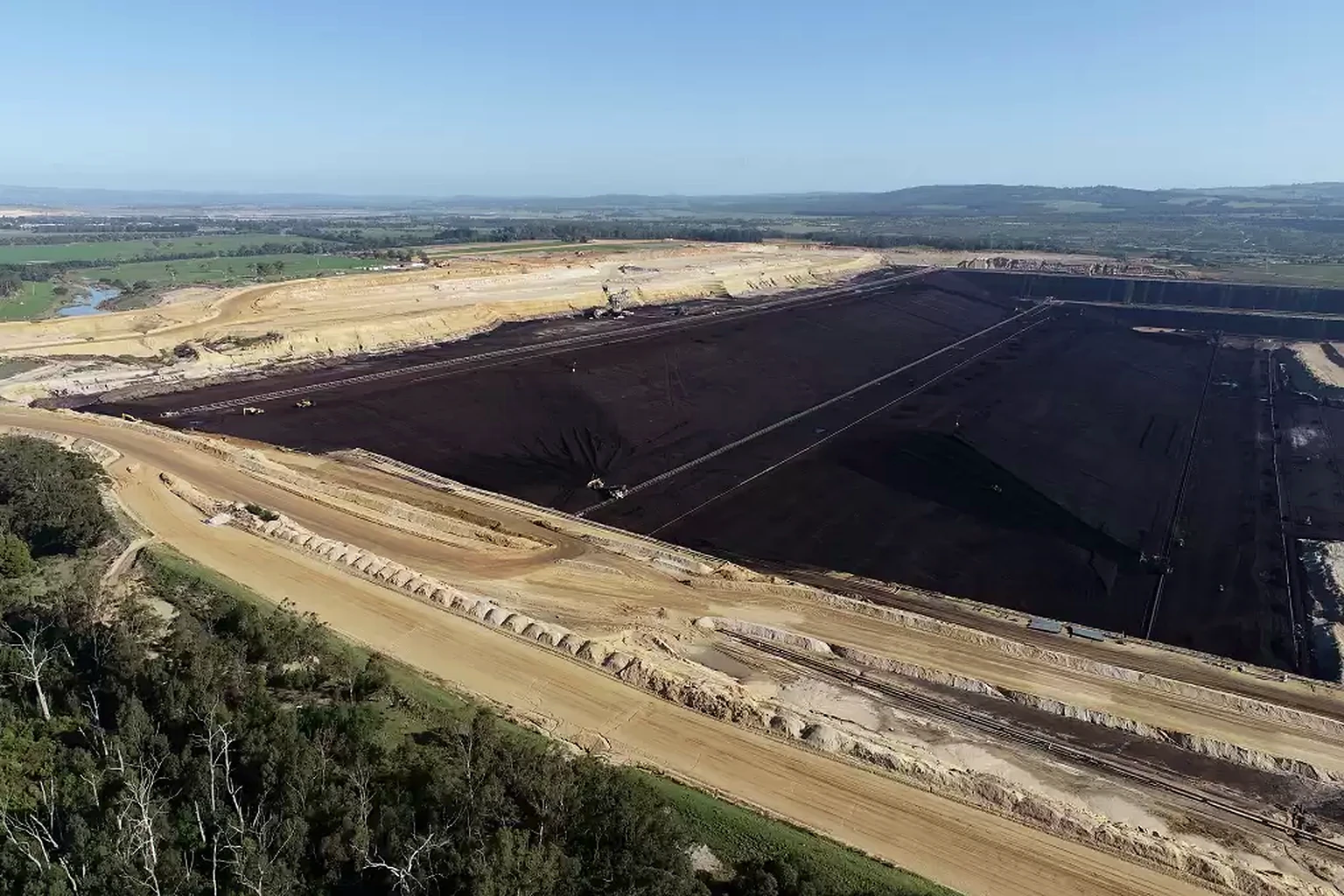
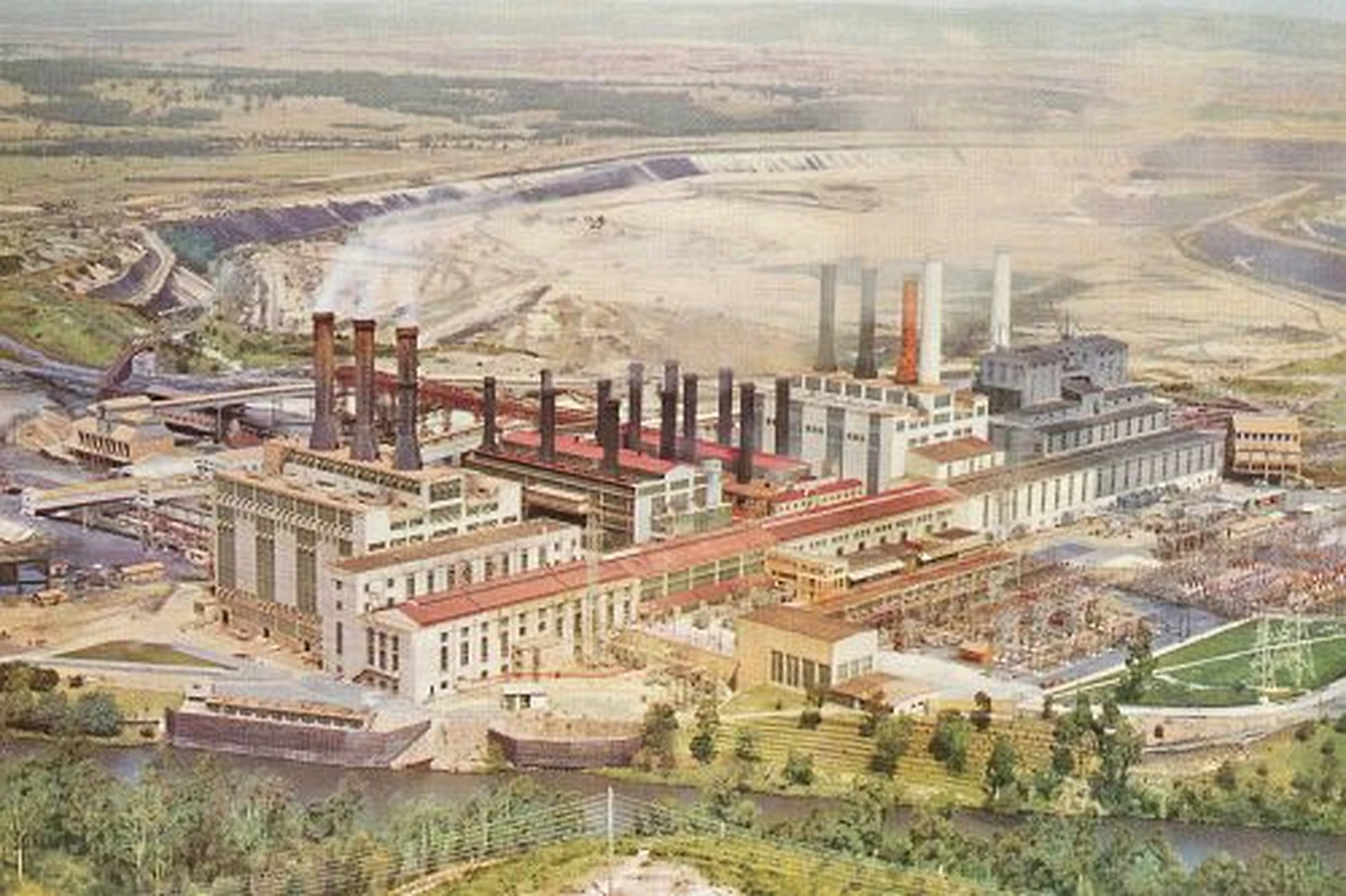
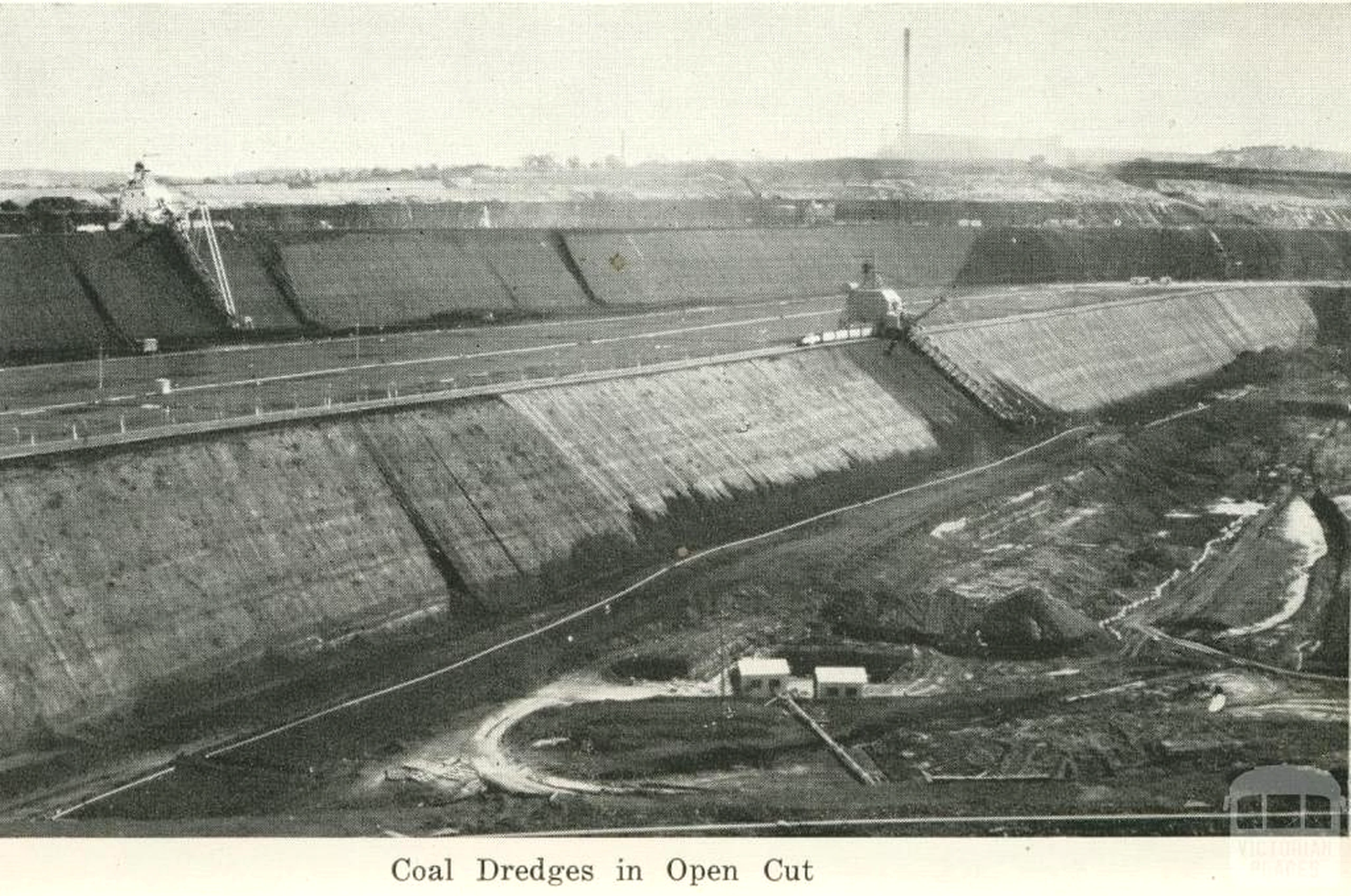
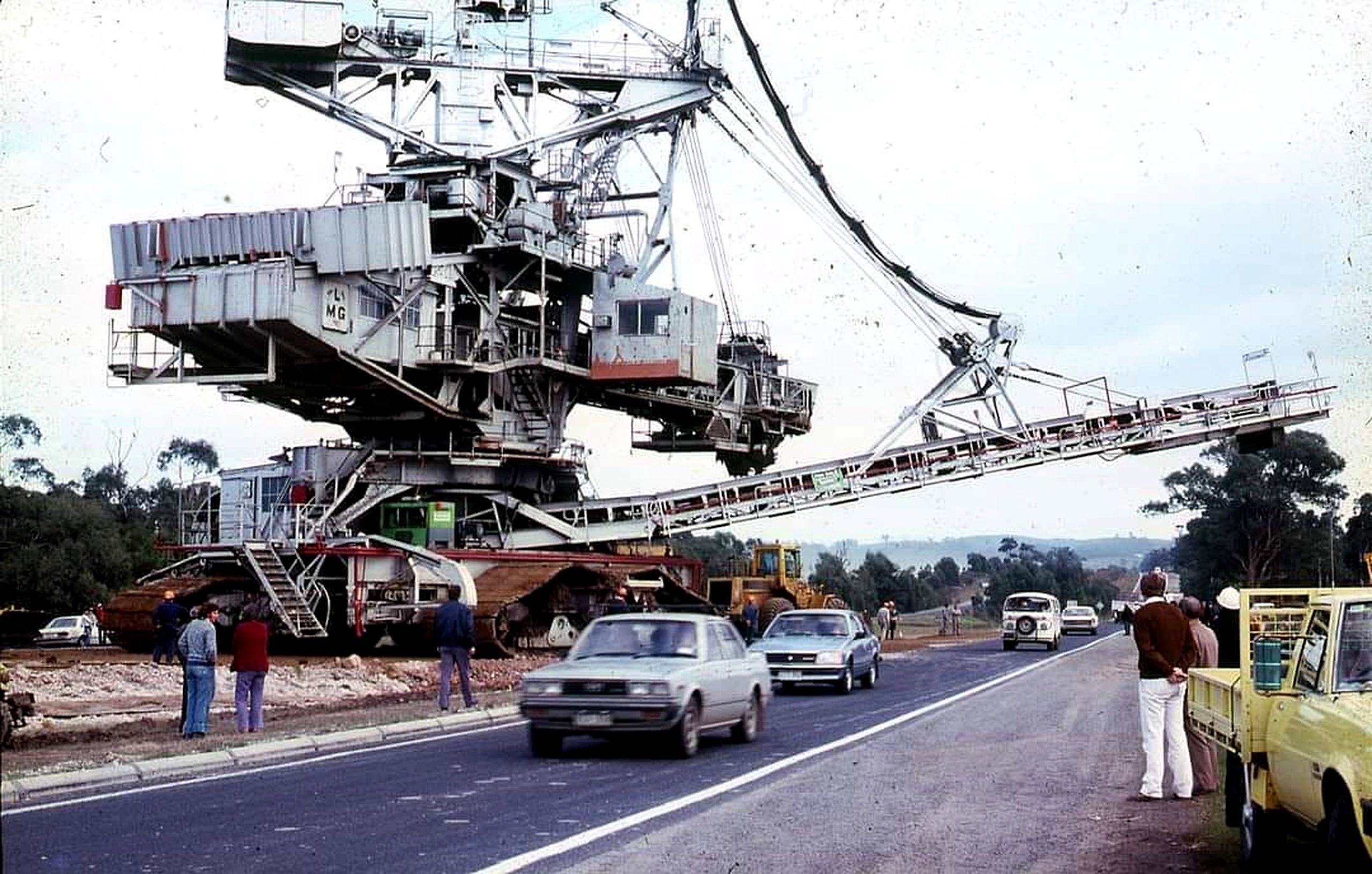
People in Latrobe have built that knowledge across more than a century. At midday on Sunday 15 June 1924, electricity from the new Yallourn station reached Melbourne through a 177-kilometre high-voltage transmission line. They had mined the coal, built the generating plant and created the system that carried its power across Victoria.
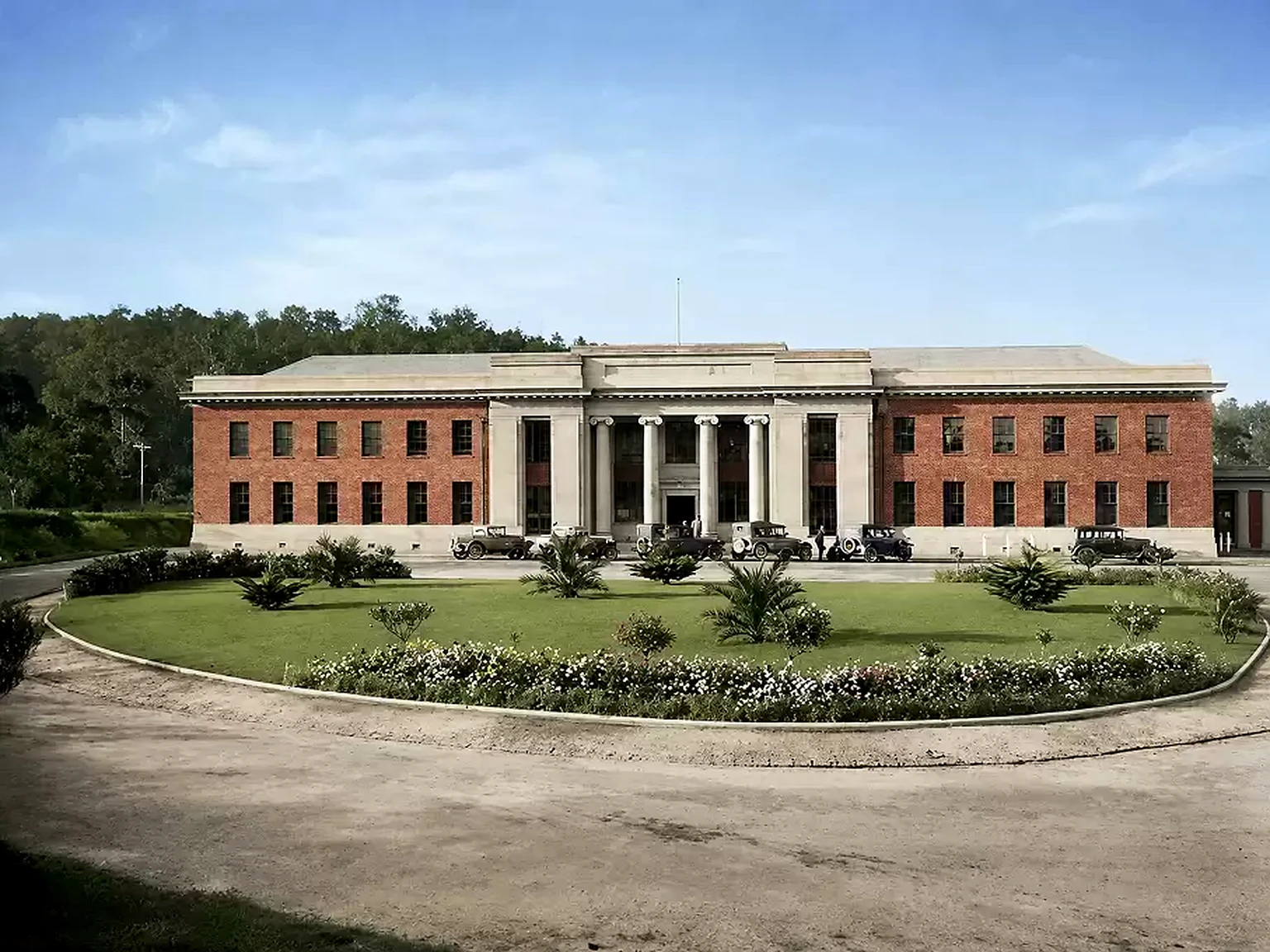
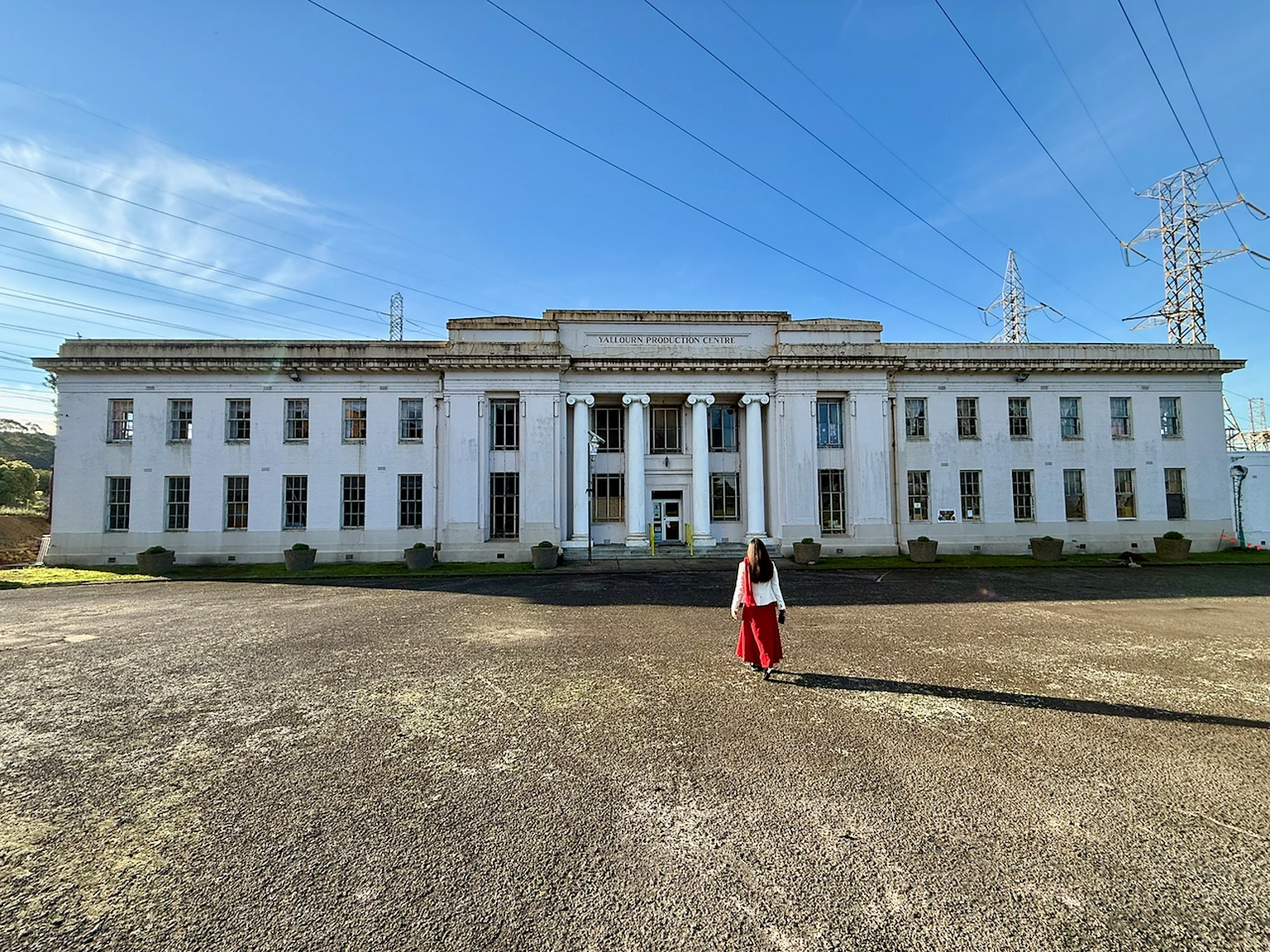
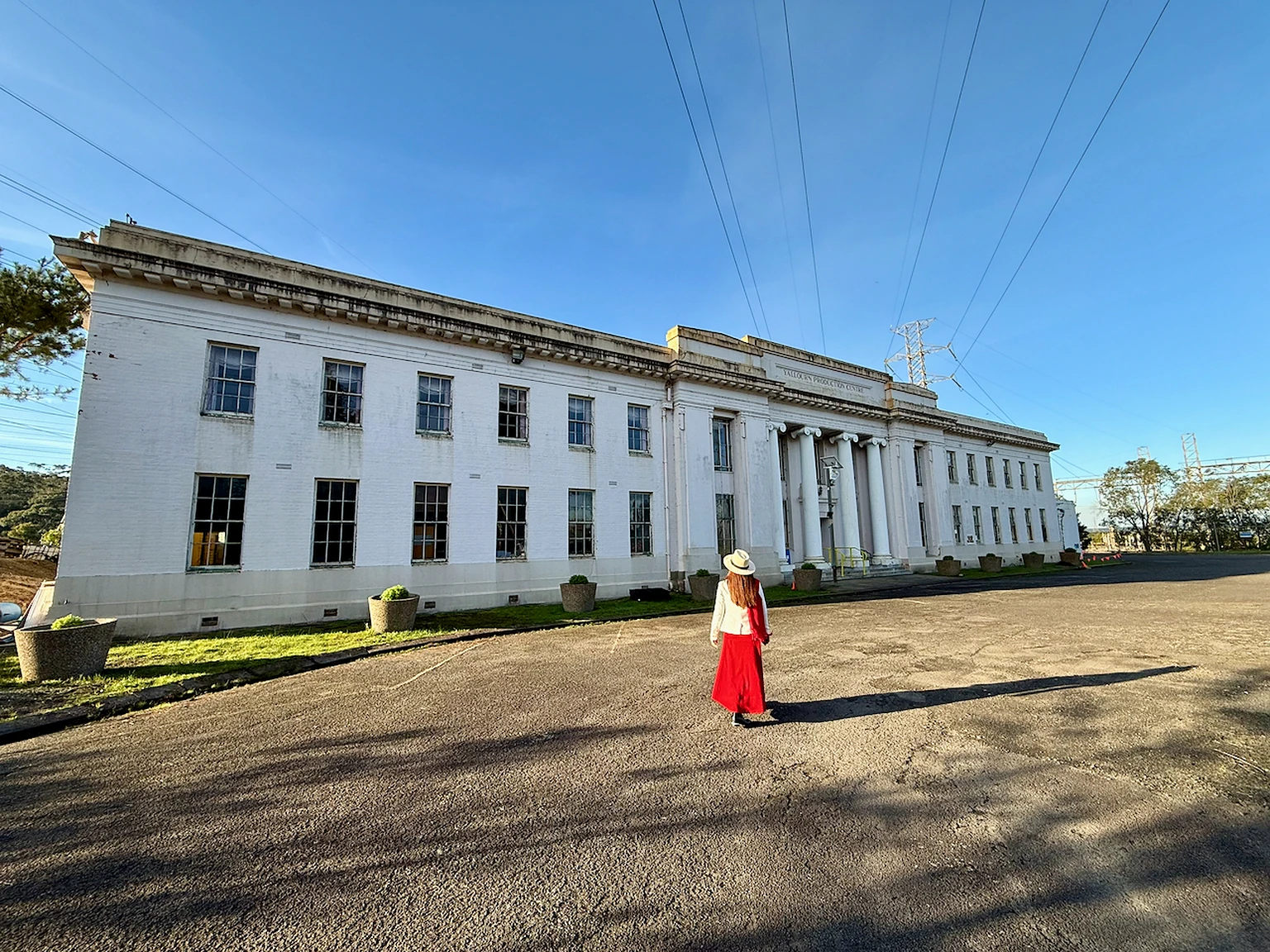
They also built the organisation needed to run it. The Yallourn Production Centre occupies the former administrative centre of the State Electricity Commission's Yallourn undertaking. Its offices gave the planning and coordination of the project a physical home. During Open House Latrobe, the building becomes a place for heritage access, displays and presentations about that history.
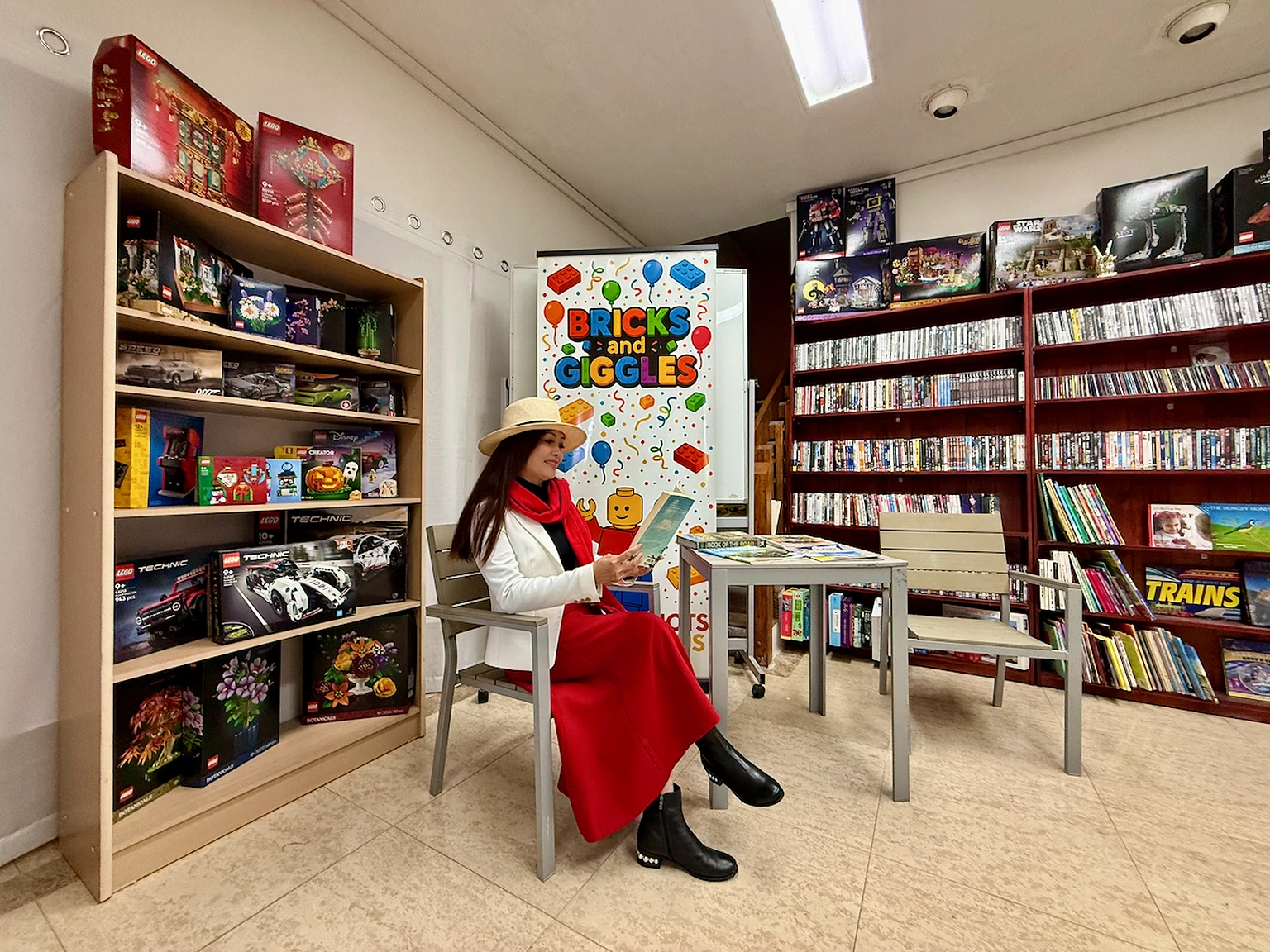
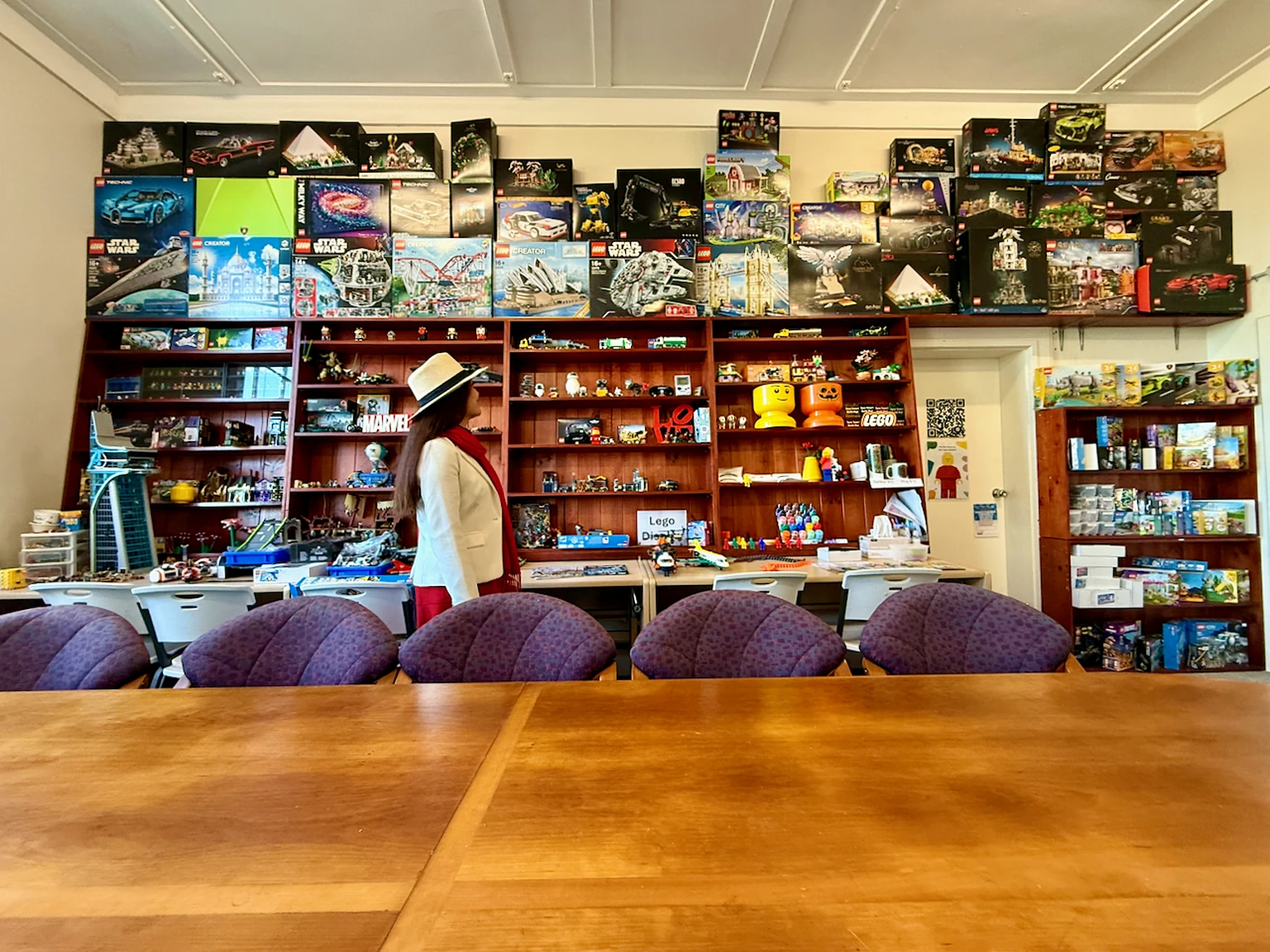
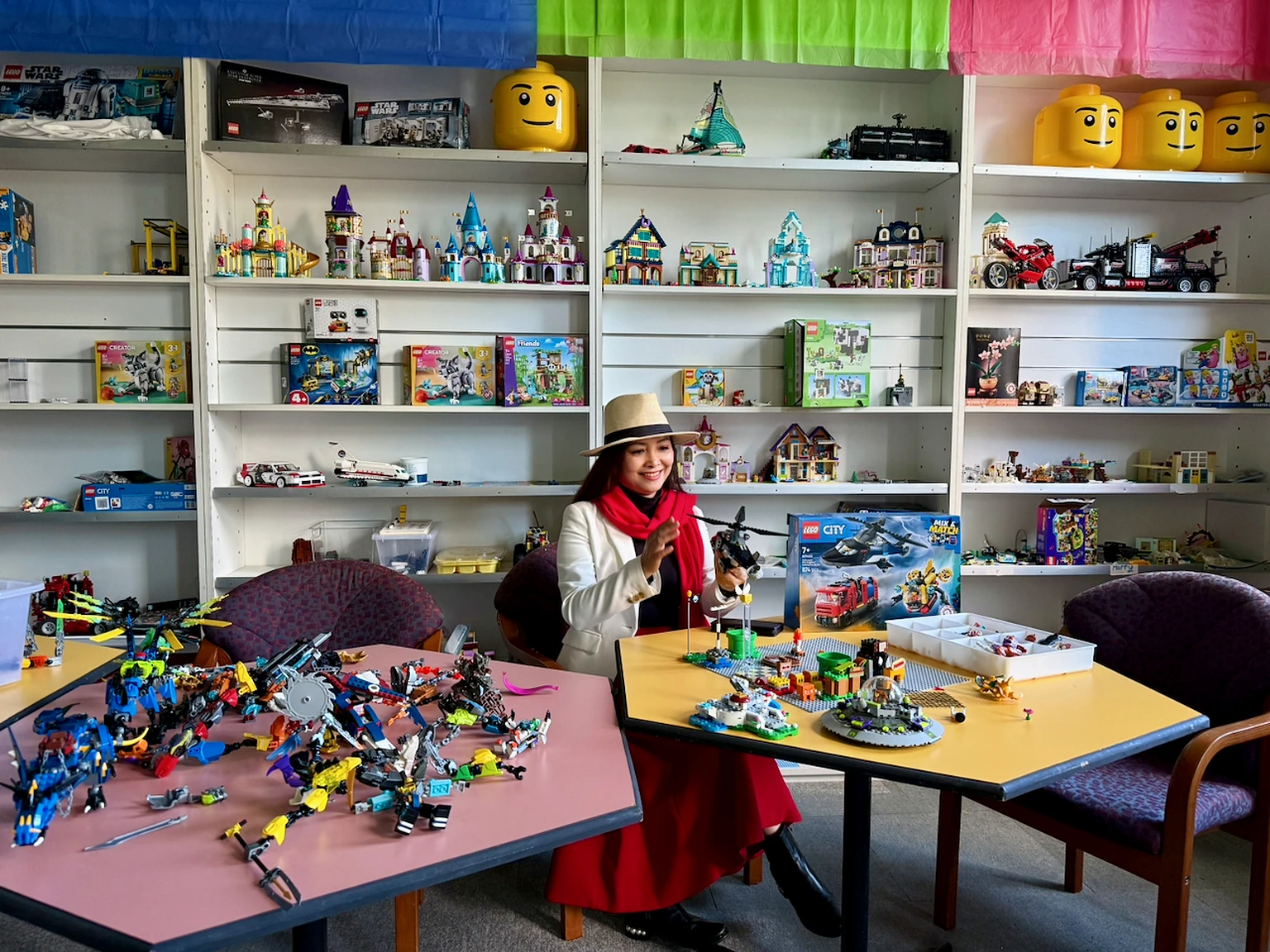
Guided tours take visitors through the heritage spaces, while a 30-minute history video runs each hour. Displays across the building and grounds connect the 1924 transmission achievement with engineering, architecture, education, public art and memorial sites across the region. Young visitors can explore the same ideas through hands-on LEGO building activities centred on design, construction and invention. The adjacent Yallourn Botanic Garden extends the visit into the landscape planned around the former town.
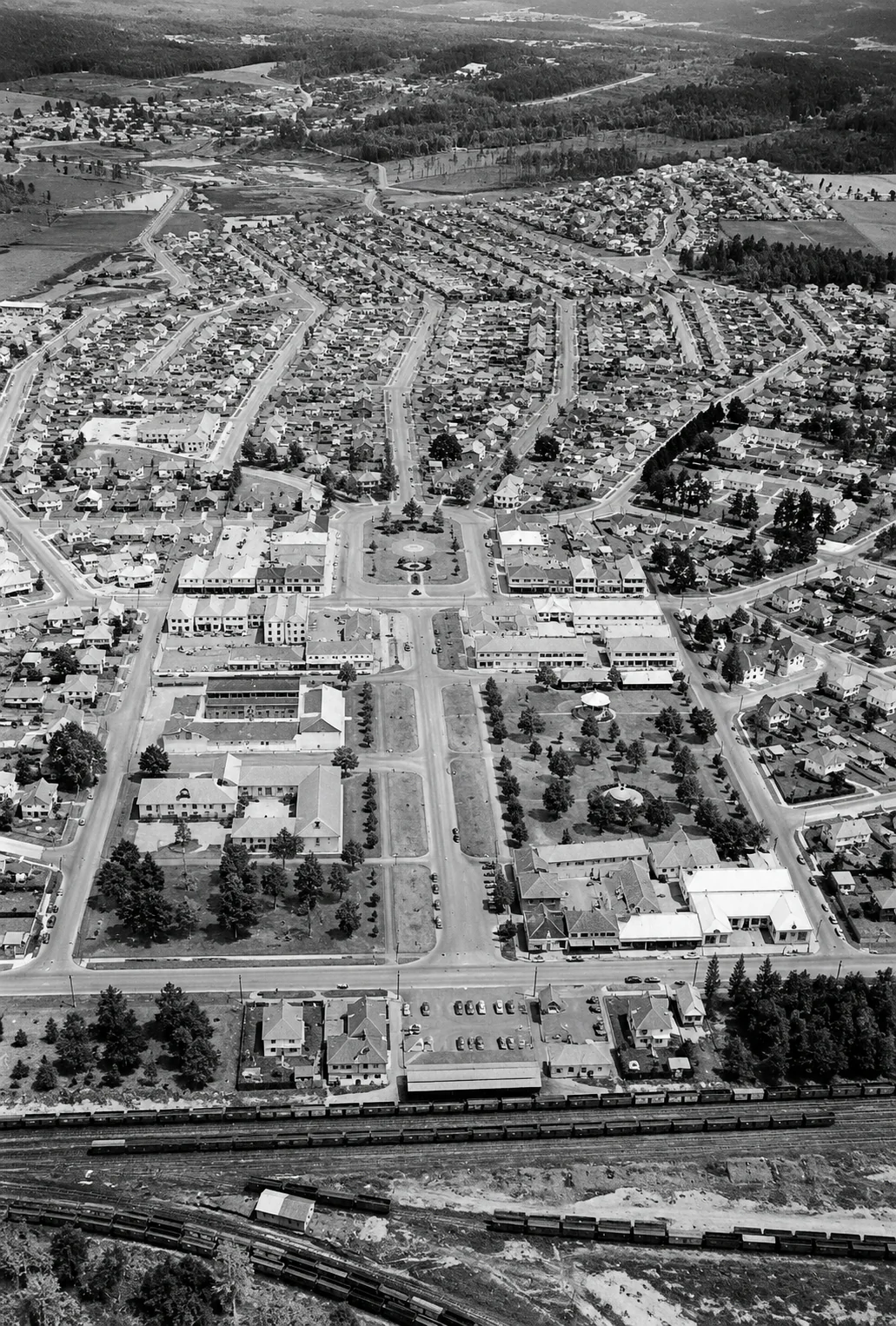
The administrative centre also opens a path into the town that grew alongside the industry. The SEC created Yallourn as a planned town influenced by Garden City ideas. Housing, green spaces, sporting facilities, schools, a hospital and a theatre brought work and daily life into one designed setting. Residents formed communities through those places and carried their connections through the wider Valley when mine expansion brought the town's closure and removal by the early 1980s.
Administration · engineering · learning
Yallourn Production Centre
From the former SEC administrative centre, heritage spaces, collections and hands-on learning carry Yallourn’s knowledge forward.
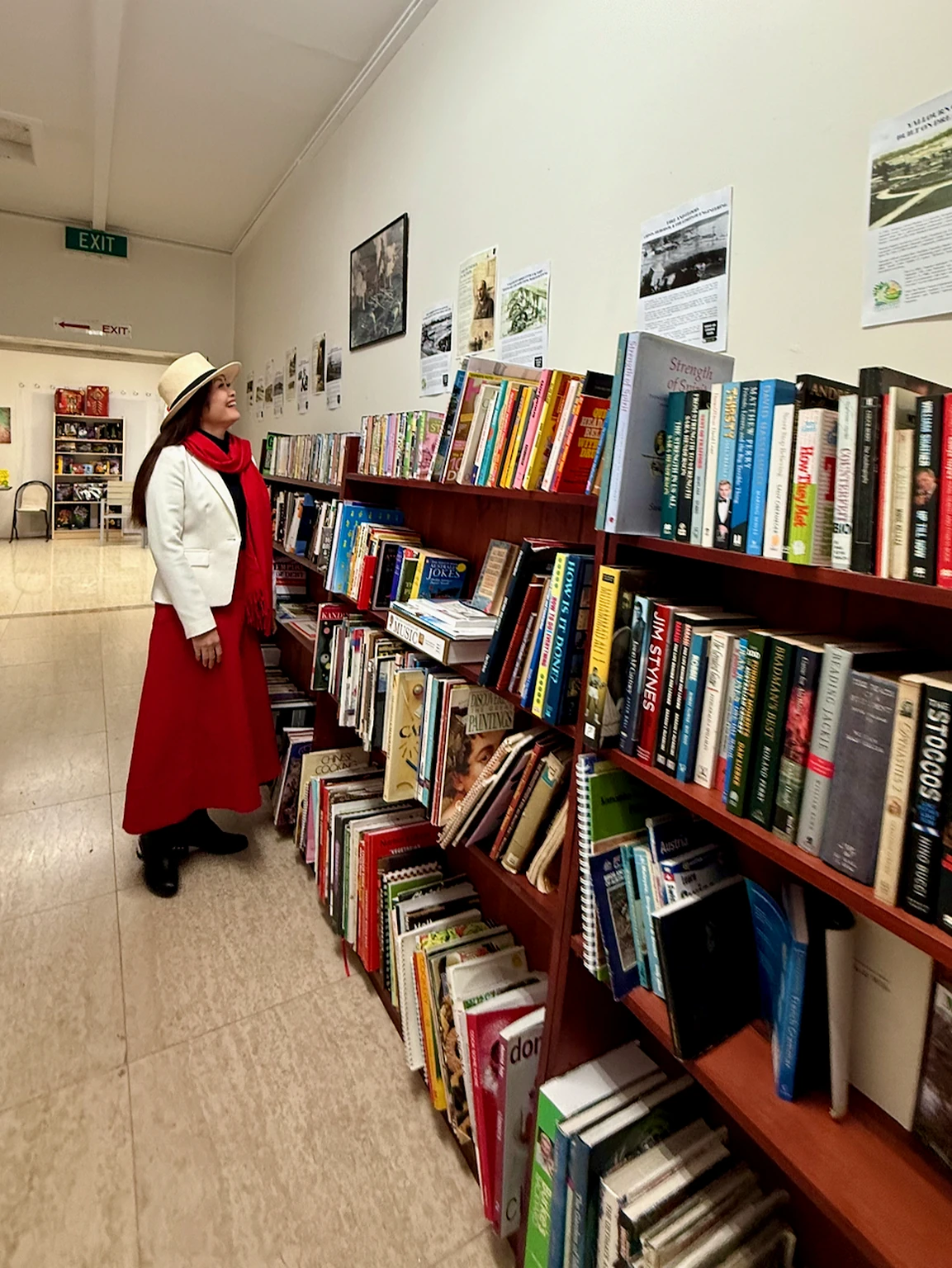
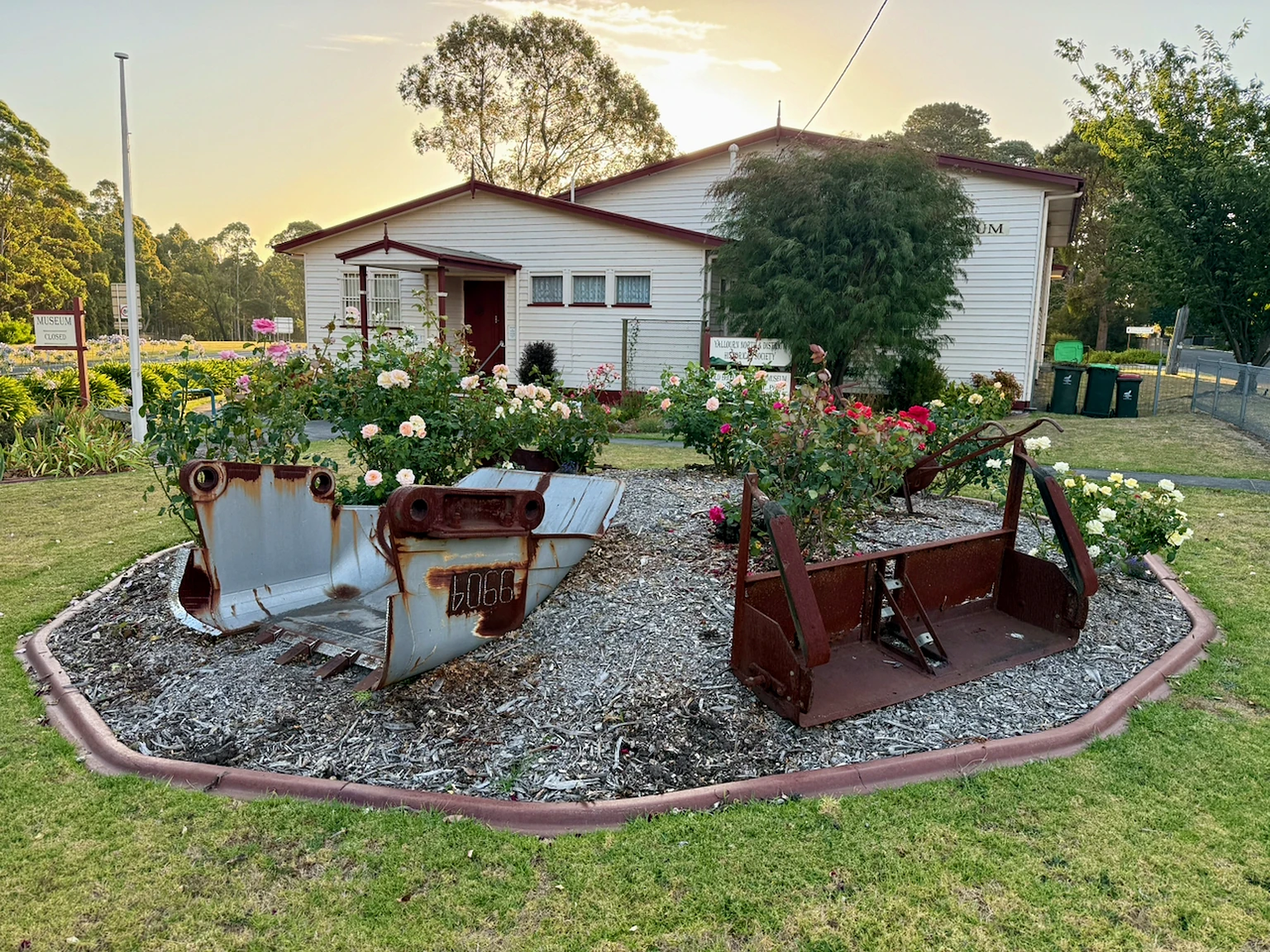
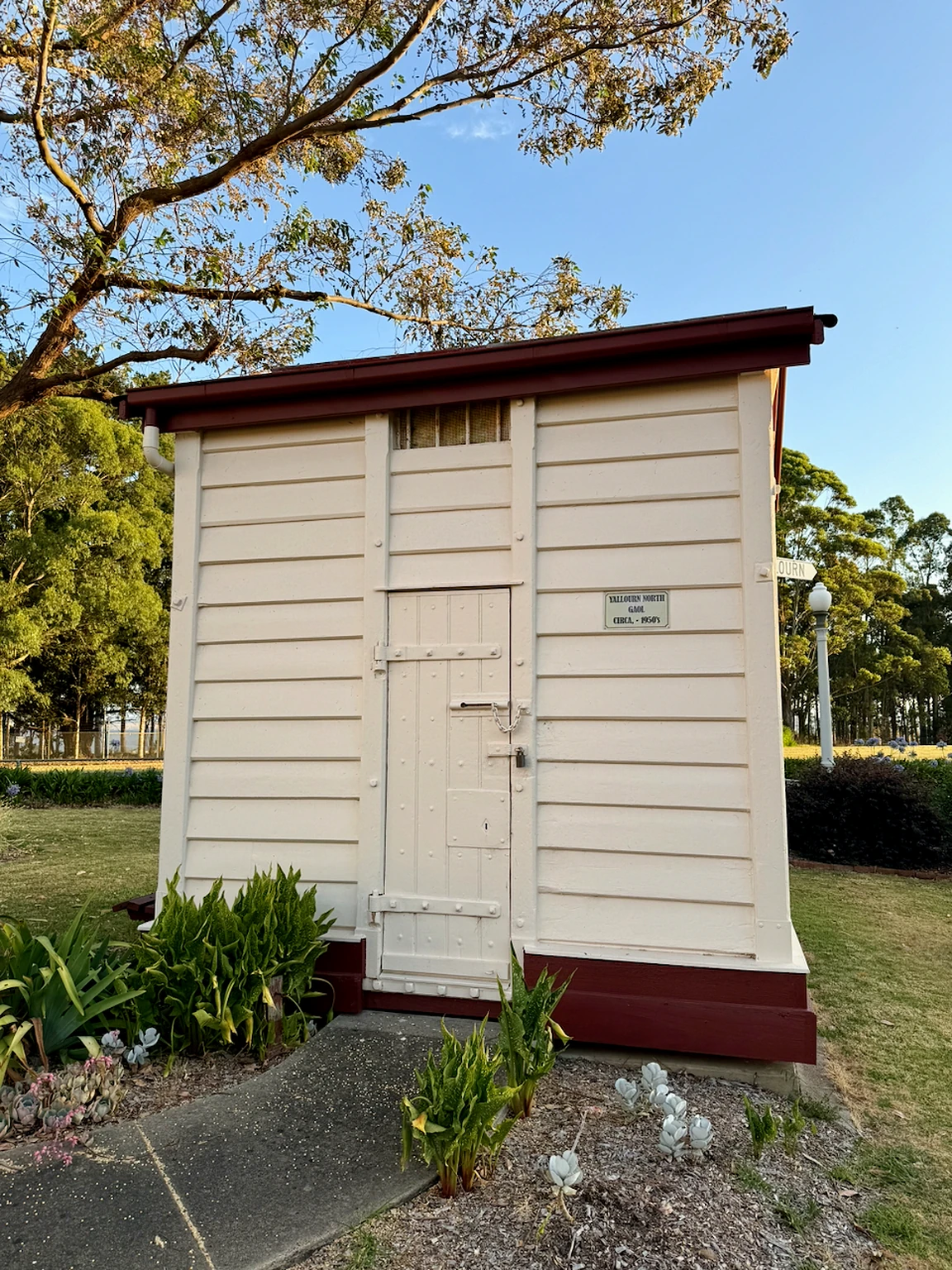
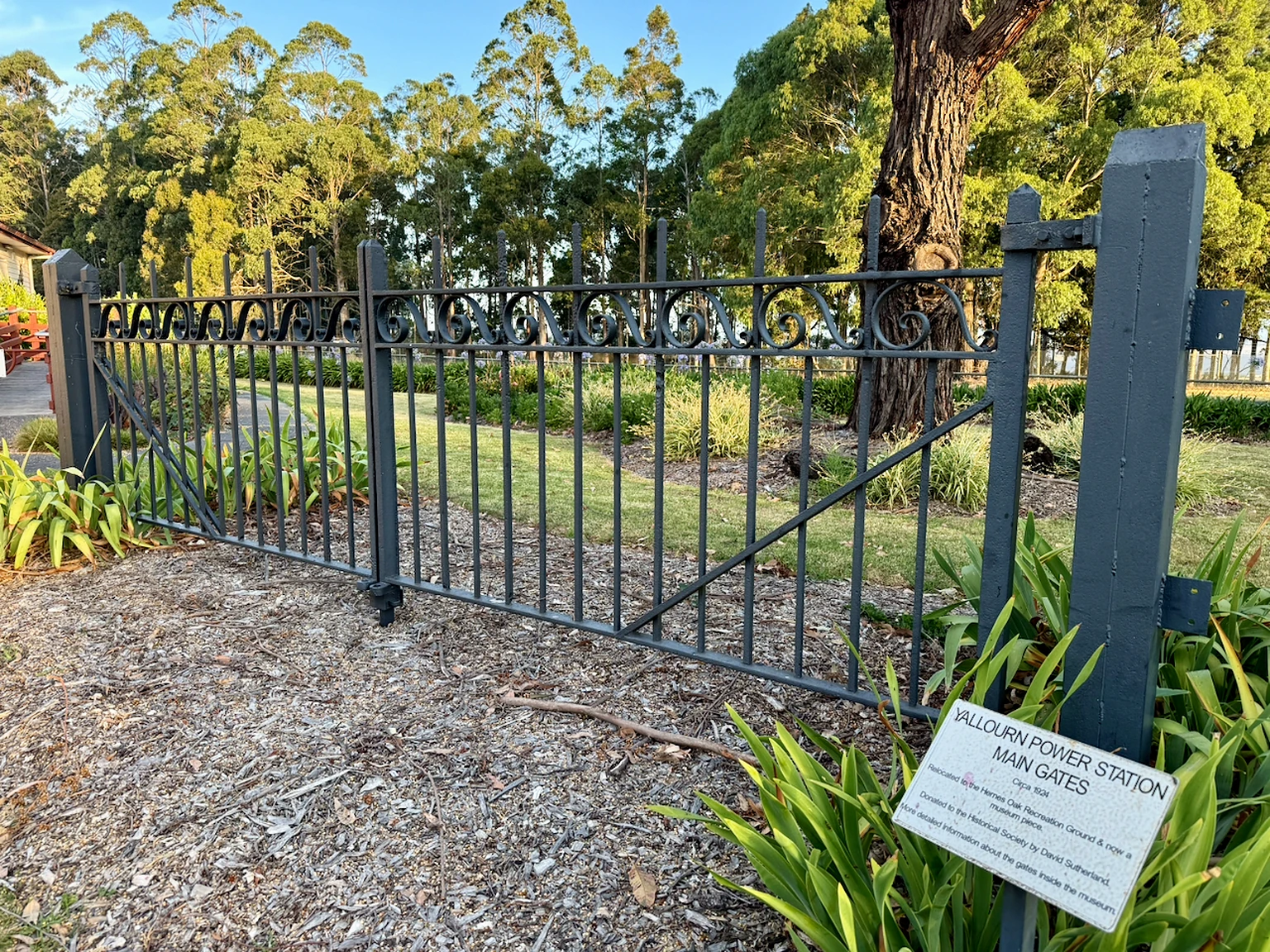
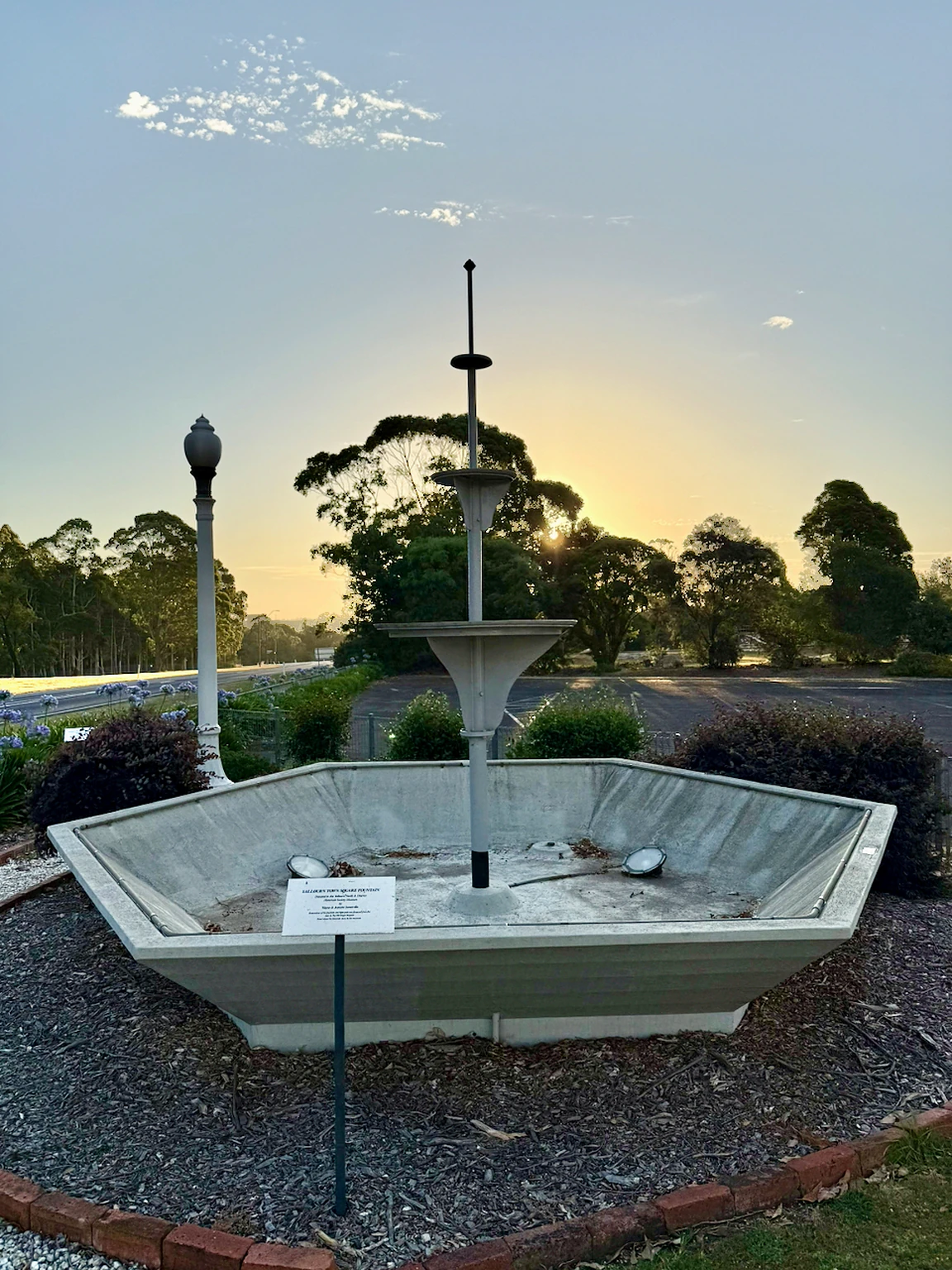
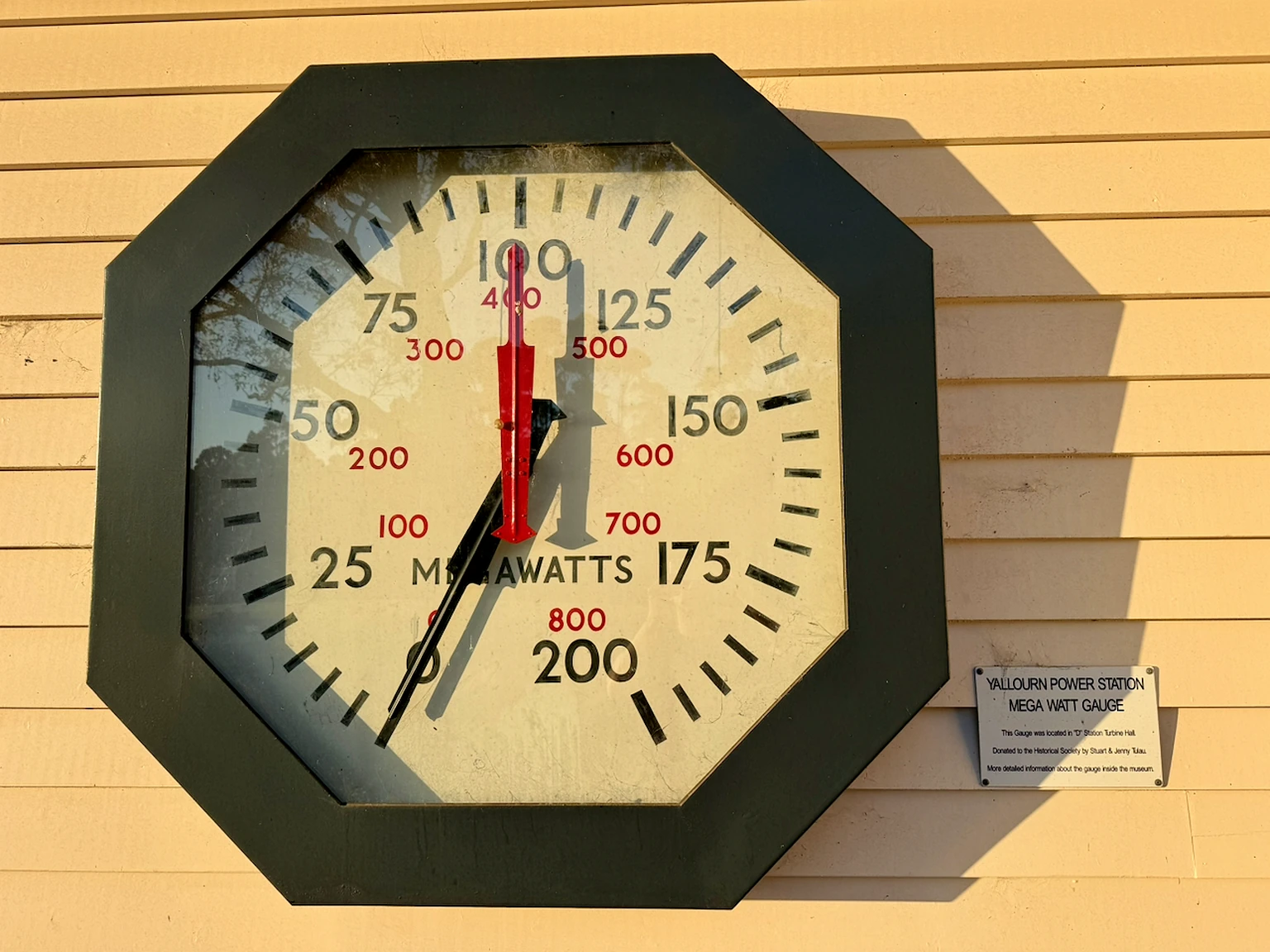
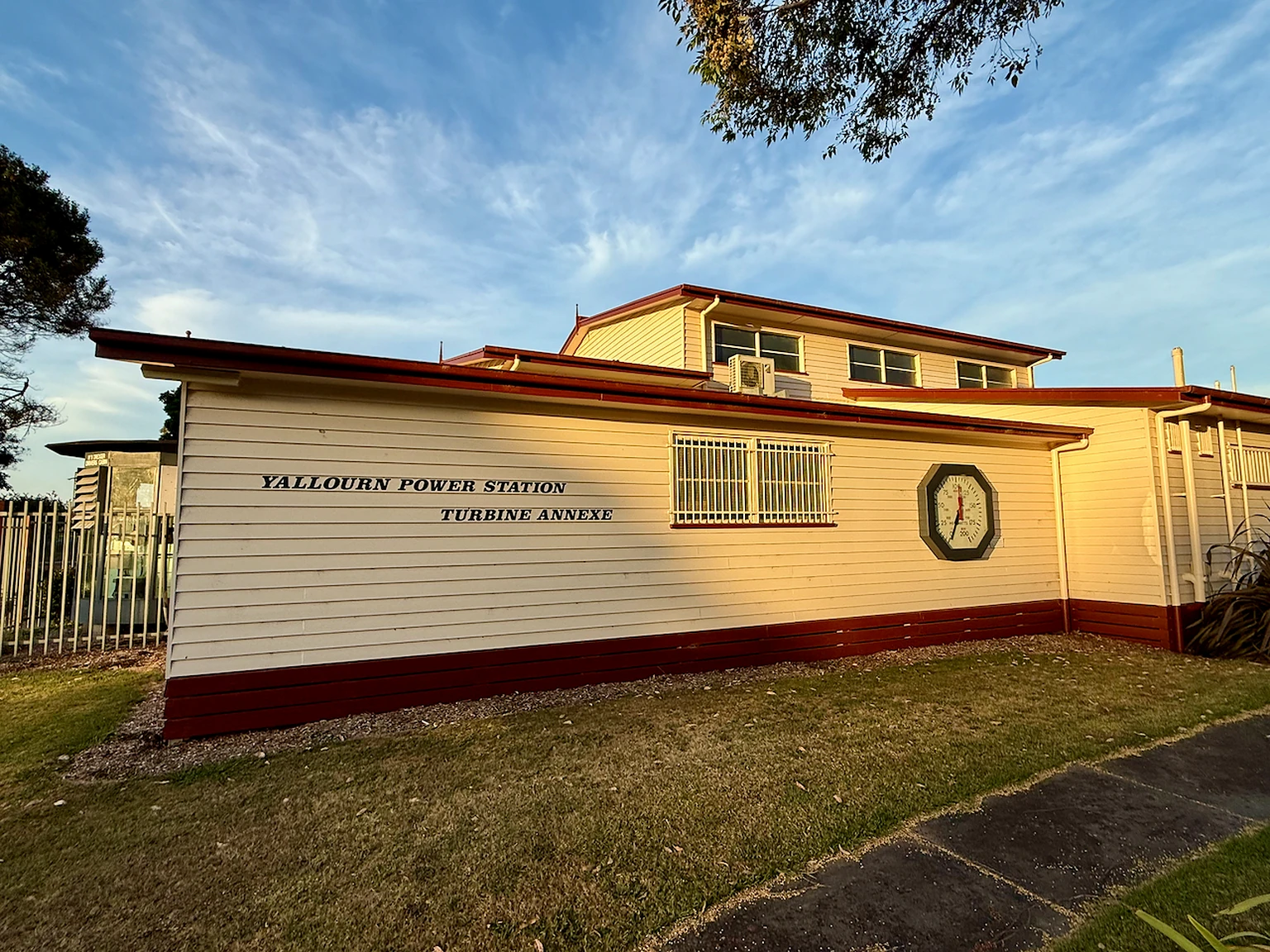
Volunteers preserve some of Yallourn's energy history in buildings created for other parts of working life. At Yallourn North, the Old Brown Coal Mine Museum occupies the former Yallourn North Camp Recreation Hall. The State Electricity Commission built the weatherboard hall in 1948 for workers during the post-war expansion of the industry. Today, the Yallourn North & District Historical Society uses it to keep photographs, objects and machinery from Brown Coal Mine, Yallourn, Yallourn North and the SEC works available to the community.
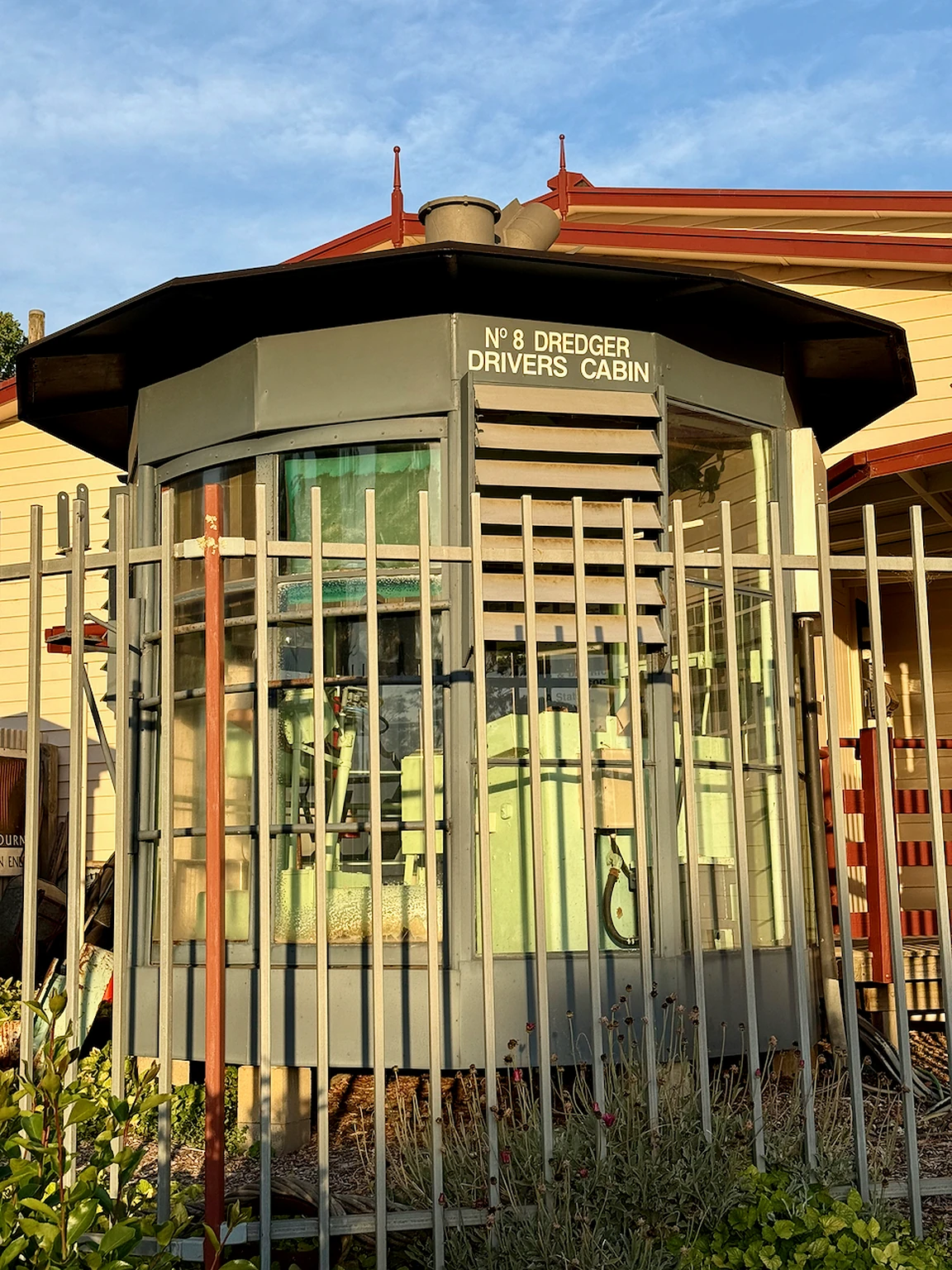
The Open House displays bring household life and heavy industry into the same rooms. Photographs and paintings sit among clothing, homewares, tools and medals. The collection also includes the cabin from Yallourn open cut dredger No. 8 and a six-megawatt turbine generator from the former Hazelwood Power Station. An EnergyAustralia information pop-up adds the current work around Yallourn's closure and future site planning to the day.
The museum's name carries its own piece of local history. Brown Coal Mine was the town's earlier name before it became Yallourn North. The collection gives that name a continuing address, held by volunteers who gather, organise and explain the material record of the district.
Inside the former recreation hall, the scale of the energy system can be read through the things people kept. Photographs preserve streets, workplaces and faces. Objects hold the practical decisions of a working day. Machinery gives weight and form to processes that can seem distant when electricity arrives through a switch. Together, the collection and its custodians keep industrial history close to the lives built around it.
Community memory · material history
Brown Coal Mine Museum
Working machinery, civic objects and Yallourn’s community history meet in the museum’s collection.
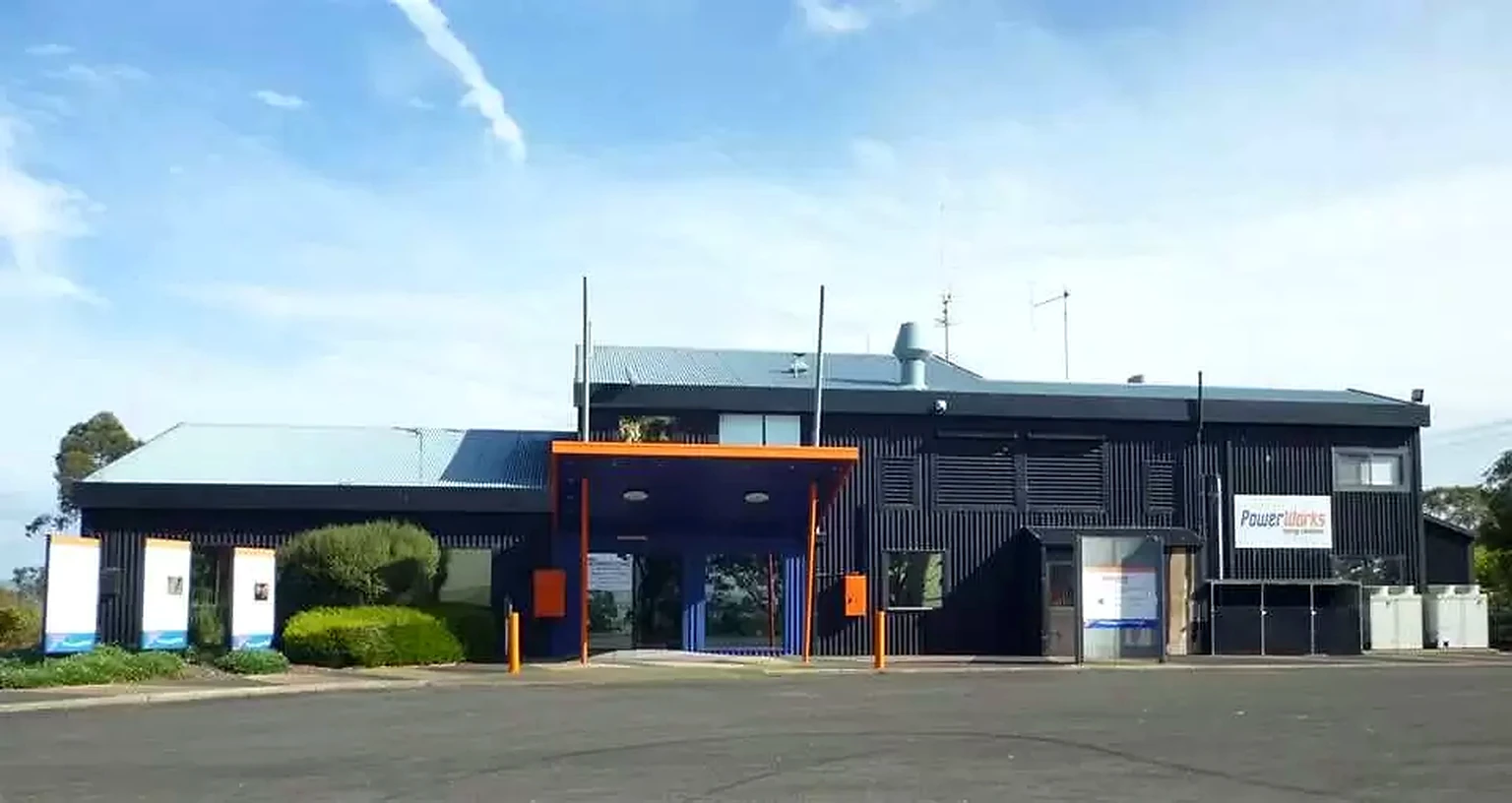
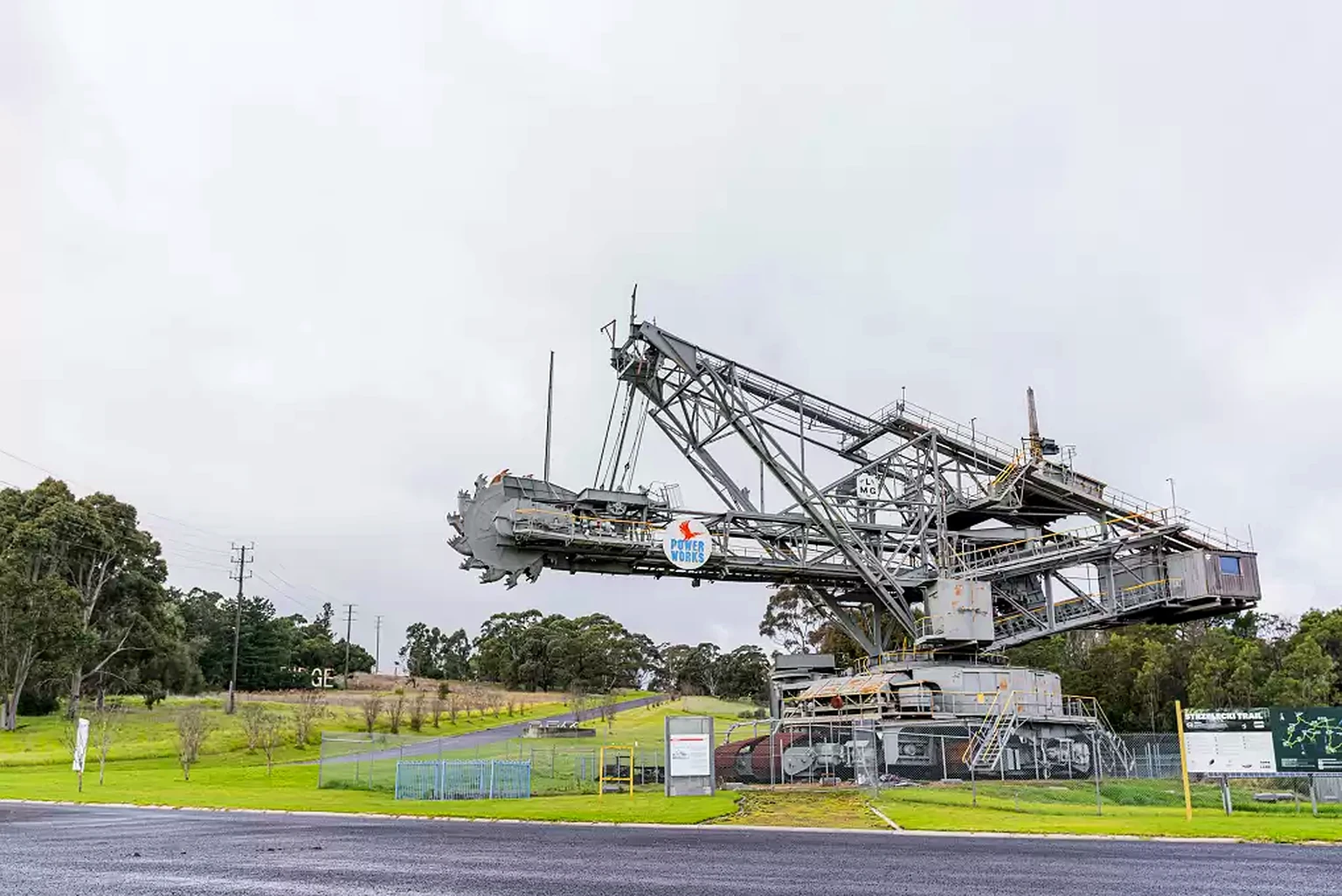
PowerWorks volunteers carry the journey into public learning. The centre opened in 1994 and later entered a new period of community stewardship. Volunteers formed PowerWorks Holdings in 2013, and the site passed into community use in 2015. They now operate and maintain the centre, using two levels of interactive and static displays and a theatrette to explain the history of power generation in the Latrobe Valley. Dredger 21 stands nearby as part of the wider industrial landscape.
During Open House Latrobe, visitors can follow the centre at their own pace, use interactive exhibits created for children and watch a short power-industry film in the theatrette. External access at both levels provides another route into the displays. These practical choices make a complex industrial story available across ages and generations.
Here, volunteer work turns technical knowledge into something families, students, former workers and curious visitors can explore. A machine can show how coal moved. A display can connect one task to a generating system. A film can carry people across decades of work and change. The volunteers keep those connections available through their care for the building, its exhibits and the knowledge gathered around them.
Machines · volunteers · public learning
PowerWorks
The visitor centre connects Dredger 21, generating machinery and the industrial collection across the grounds.
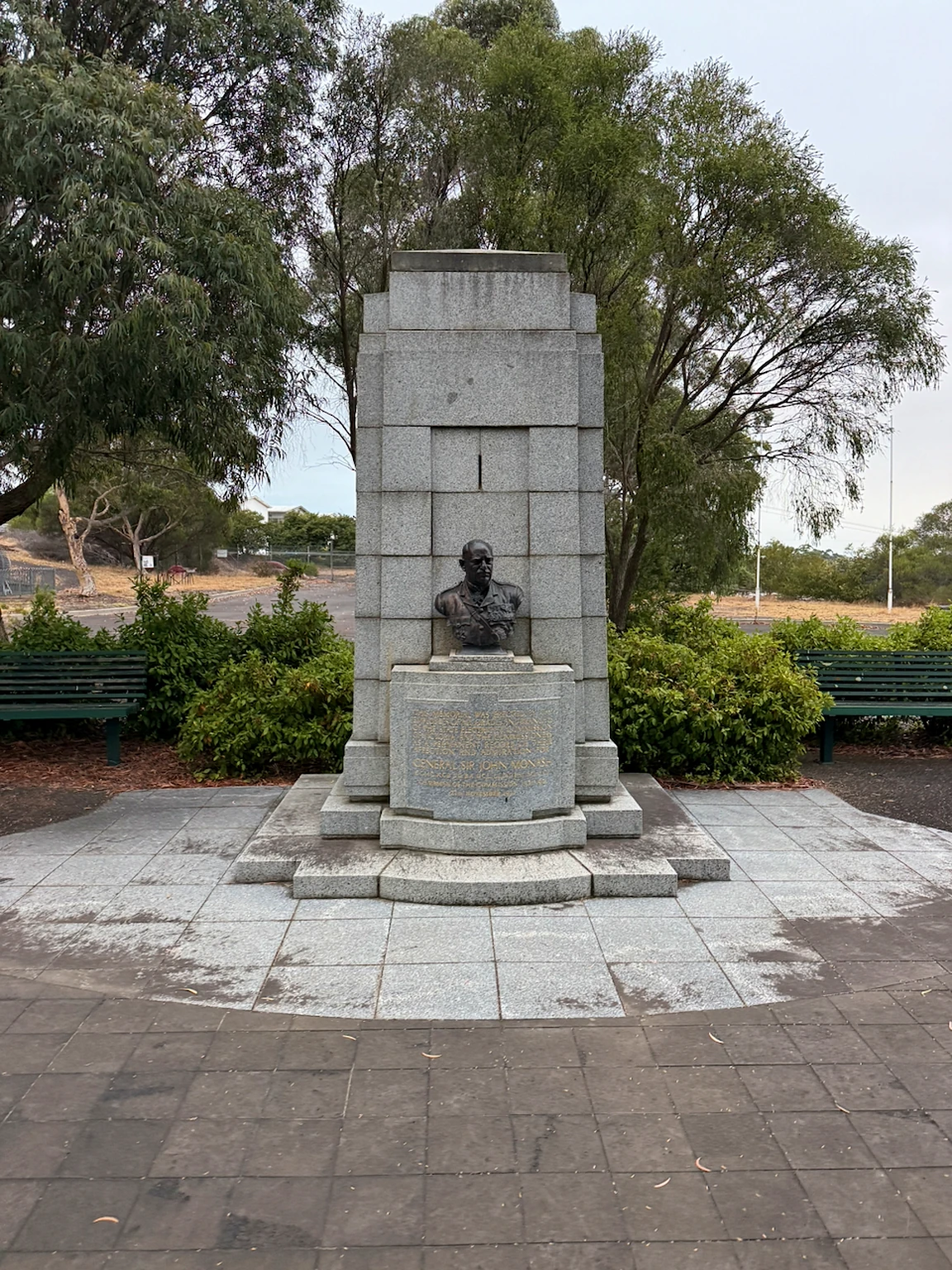
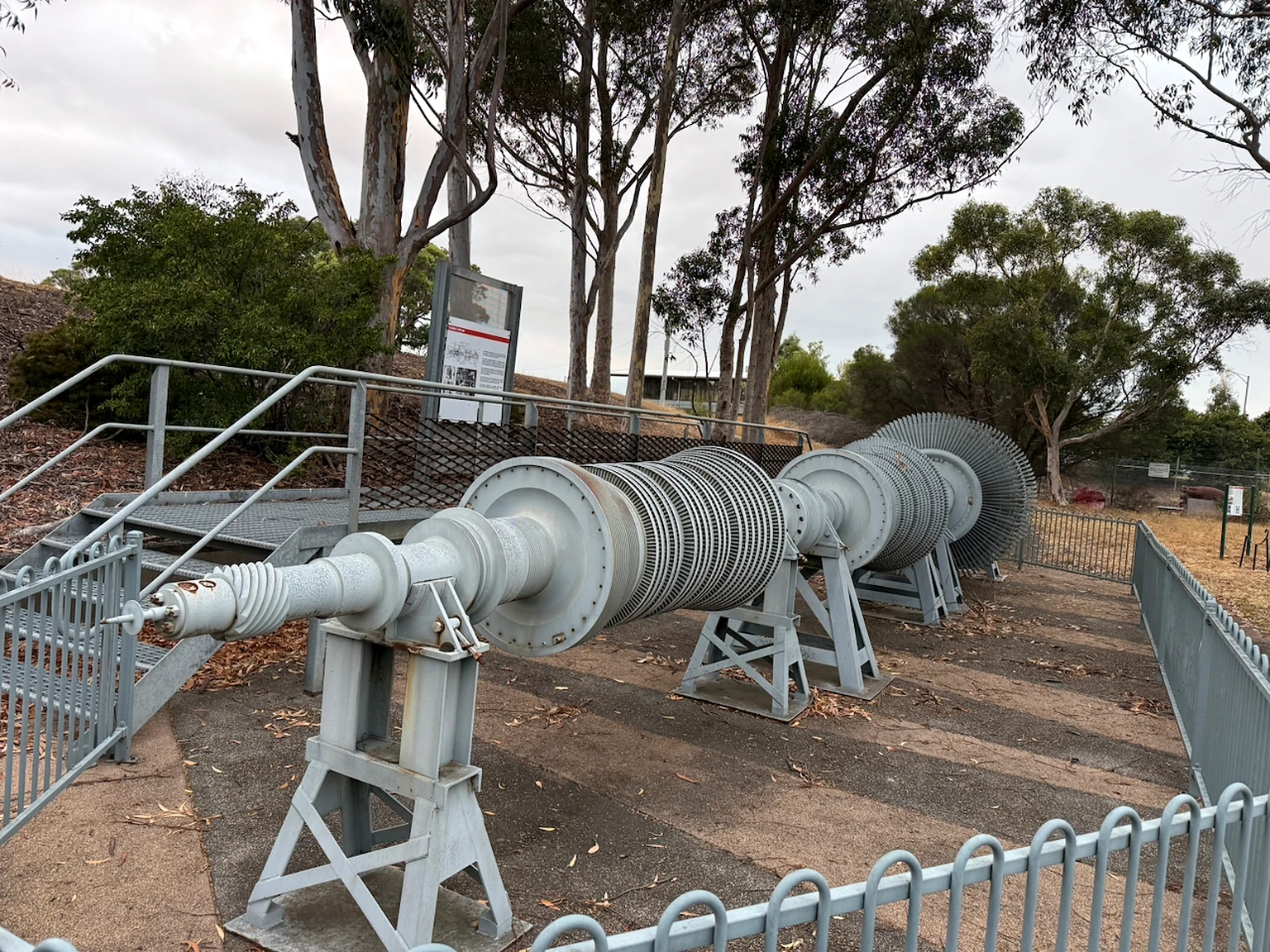
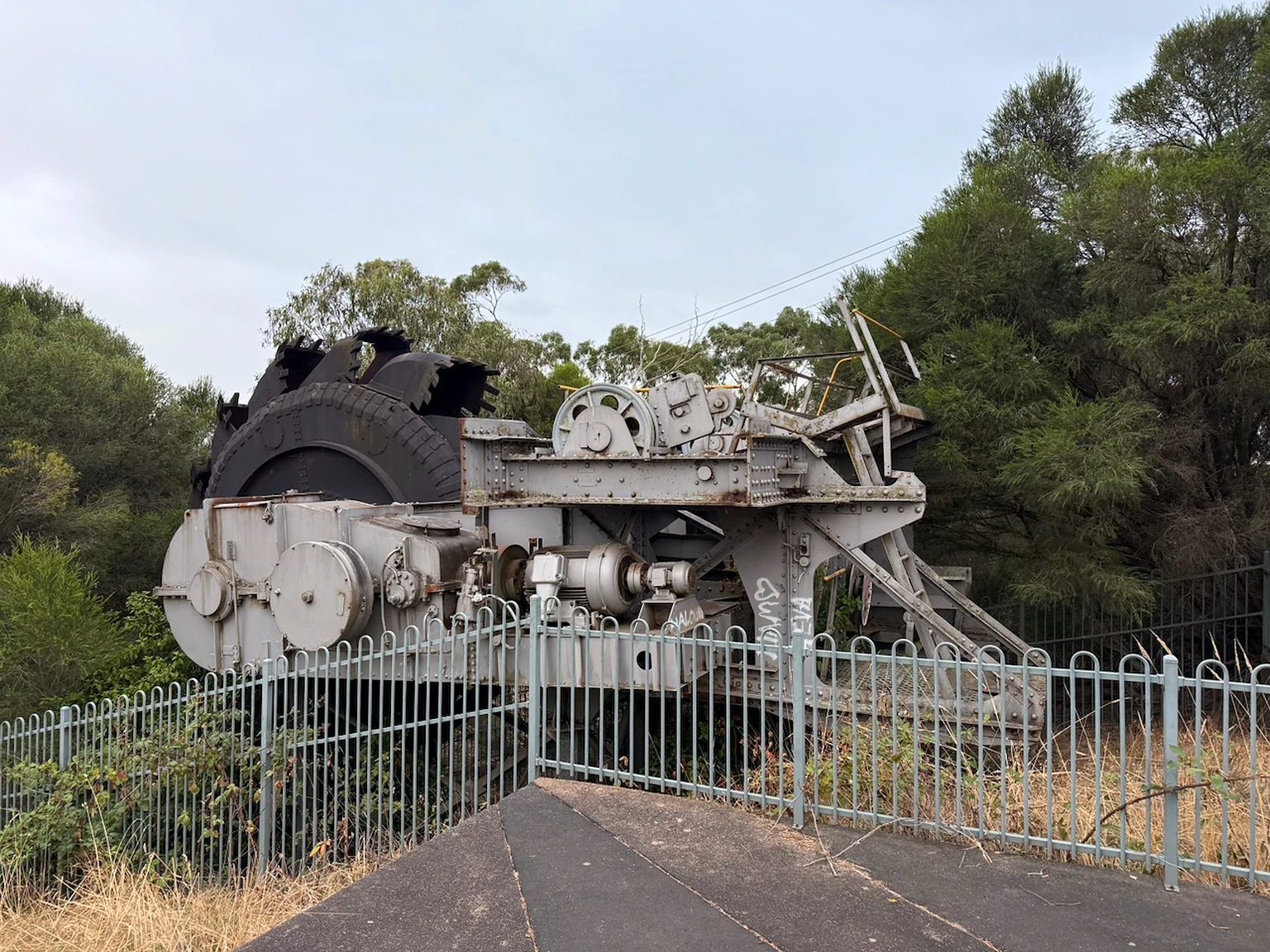
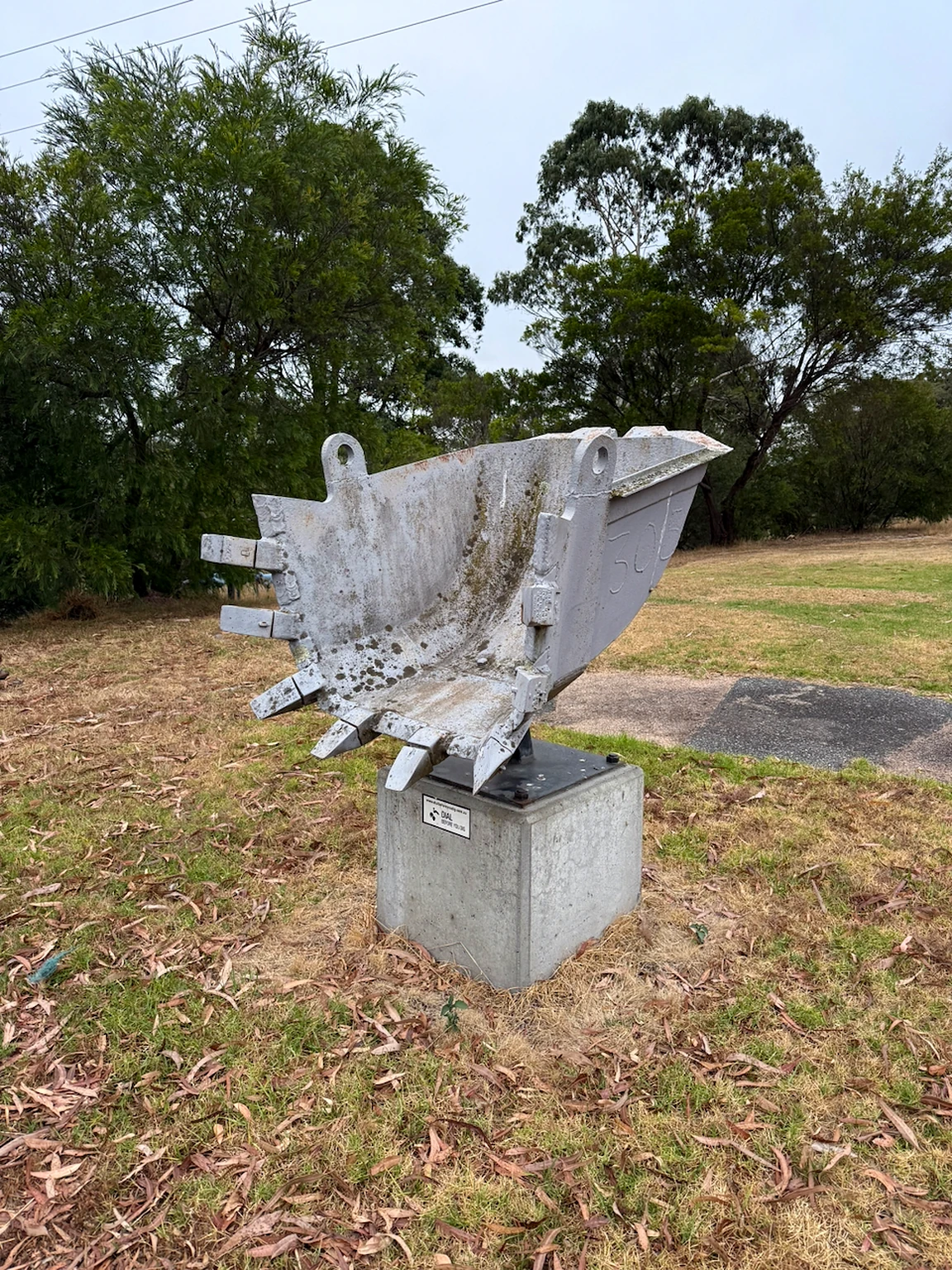
Each of the four Open House sites carries a different part of the same regional capability. Mine and rehabilitation workers hold operational knowledge. The Yallourn Production Centre records the organising work of the SEC undertaking. Historical society volunteers preserve community memory and material evidence. PowerWorks volunteers teach people how to read the machines and systems that shaped the Valley.
Seen together, they make energy a human story of work, responsibility, learning and care. Generations of workers turned brown coal into electricity. Families made lives in towns connected to the industry. Volunteers now give their time to preserve the records, buildings and machines through which that history can be understood. Rehabilitation teams are applying specialist knowledge to the future of the land.
The region's next chapter will draw on all of those forms of knowledge. Mine rehabilitation will continue through planning, regulation, technical work and public engagement. Economic transition will call on the skills of workers, educators, businesses, institutions and communities across Gippsland. The decisions made through that work will shape land, livelihoods and the stories future generations inherit.
During Open House Latrobe, people can enter that larger story through four doors. The official program holds the current dates, bookings and site-specific access information for each experience. One person may begin at the gatehouse and follow the present work of rehabilitation. Another may begin in an administrative room, beside an object preserved by the historical society or in front of a PowerWorks machine. Each doorway adds another part of the region's energy knowledge.
The doors lead into a century of work and towards a future taking shape across the Valley. Workers, rehabilitation staff and volunteers are carrying the region's knowledge forward, one explanation, one preserved object and one well-informed question at a time.
Explore the program
Open the doors behind the story
- EnergyAustralia Yallourn Mine Tour
- Yallourn Production Centre
- Old Brown Coal Mine Museum
- PowerWorks Energy Education Centre
- EnergyAustralia — Yallourn energy transition
- Resources Victoria — mine rehabilitation
The official Open House Latrobe program remains the source for current dates, bookings, access information and program changes.