
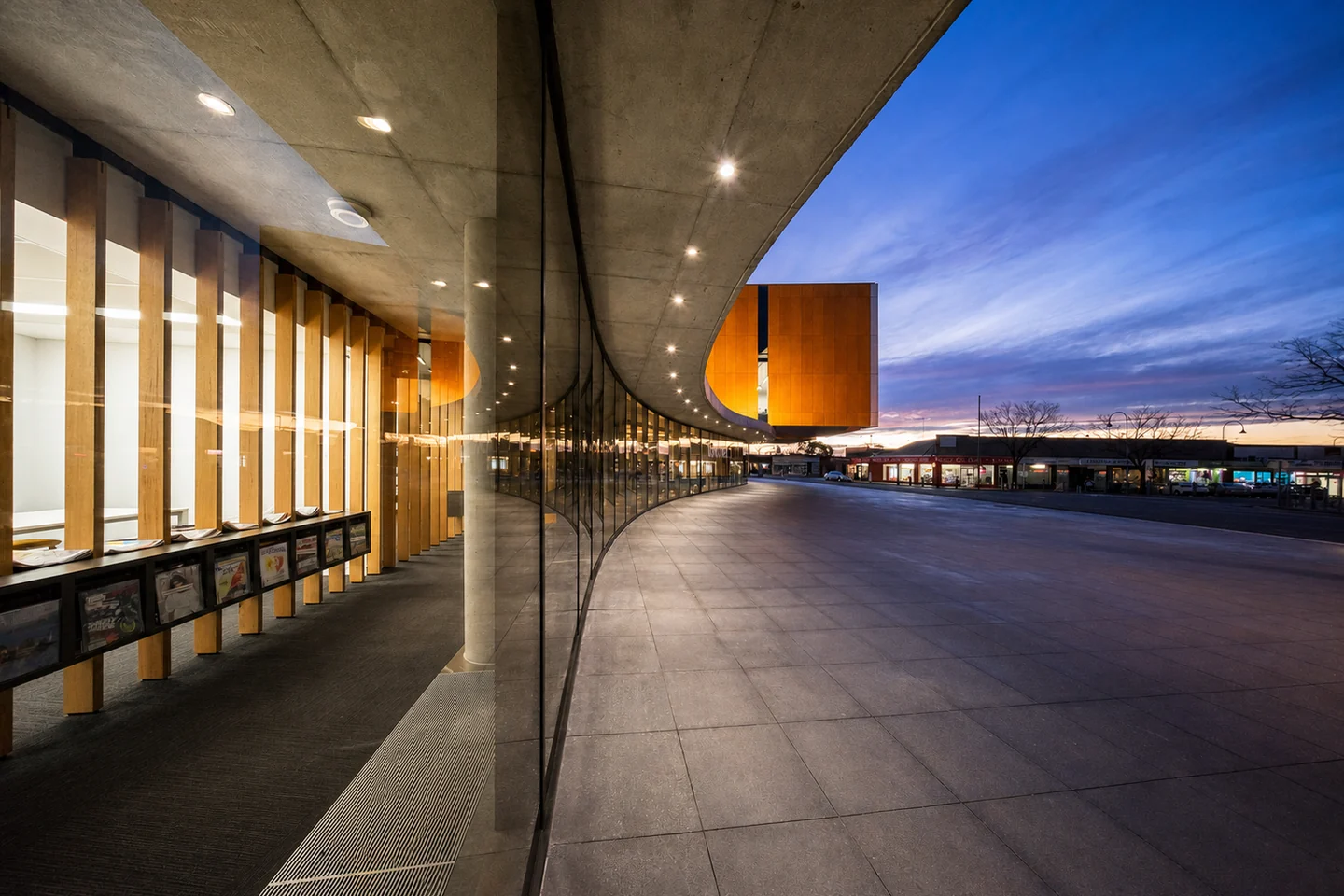
At Moe Library, one civic doorway opens onto books, local services, guided tours and live performance. During Open House Latrobe, that threshold becomes a way of reading the region itself: people gather, create, solve problems, preserve memory and make decisions about the future in places like this.
Opening the places where Latrobe works, remembers, creates and cares for itself can help people know the region as a shared place.
That idea runs through the Open House Latrobe program. Across Friday 9 to Sunday 11 October, conversations, tours, walks, workshops, performances and open buildings bring people into places across Churchill, Moe, Morwell, Traralgon, Yallourn and Yallourn North, and Yinnar. The main open-building festival takes place on Saturday and Sunday. Its subjects range from libraries, galleries and law courts to water treatment, emergency response, food relief, energy, industry, local history, performance and environmental care.
Each place performs a particular job. Together, they reveal a region that has repeatedly asked how people can live, work, learn and build a future together.
Open House Latrobe begins with Collective Energy on Friday 9 October at the Gippsland Performing Arts Centre which brings historians, industry leaders, practitioners and community voices together to consider Latrobe's past, present and future.
This is one strand of the wider regional story opened by the weekend. Another runs through the towns, industries and institutions established during later settlement, where residents made places for knowledge, decisions and social life to be shared. Mechanics' institutes and free libraries appeared in Traralgon, Toongabbie, Morwell, Moe and other towns during the late nineteenth century. Public halls held meetings, concerts, dances and community business. Sporting clubs, churches, lodges, newspapers and interest groups gave people ways to organise daily life and support one another.
The buildings changed as towns grew. Some disappeared. Others moved or found new uses. Their underlying purpose remained visible: a community needs places where people can meet, learn, disagree, celebrate, remember and act together.
That purpose is present in the 2026 program. Traralgon Library offers a workshop and self-guided experience. Morwell Library hosts Open Play. Moe Library brings its public services, tours and performance together. The Latrobe Valley Law Courts and Traralgon Courthouse open civic institutions where public decisions and legal responsibilities take physical form. Gippstown, Morwell Historical Society, the Brown Coal Mine Museum, the Latrobe Valley Maltese Museum and the Yinnar and District Historical Society and Museum hold objects, buildings and records through which communities keep their histories available.
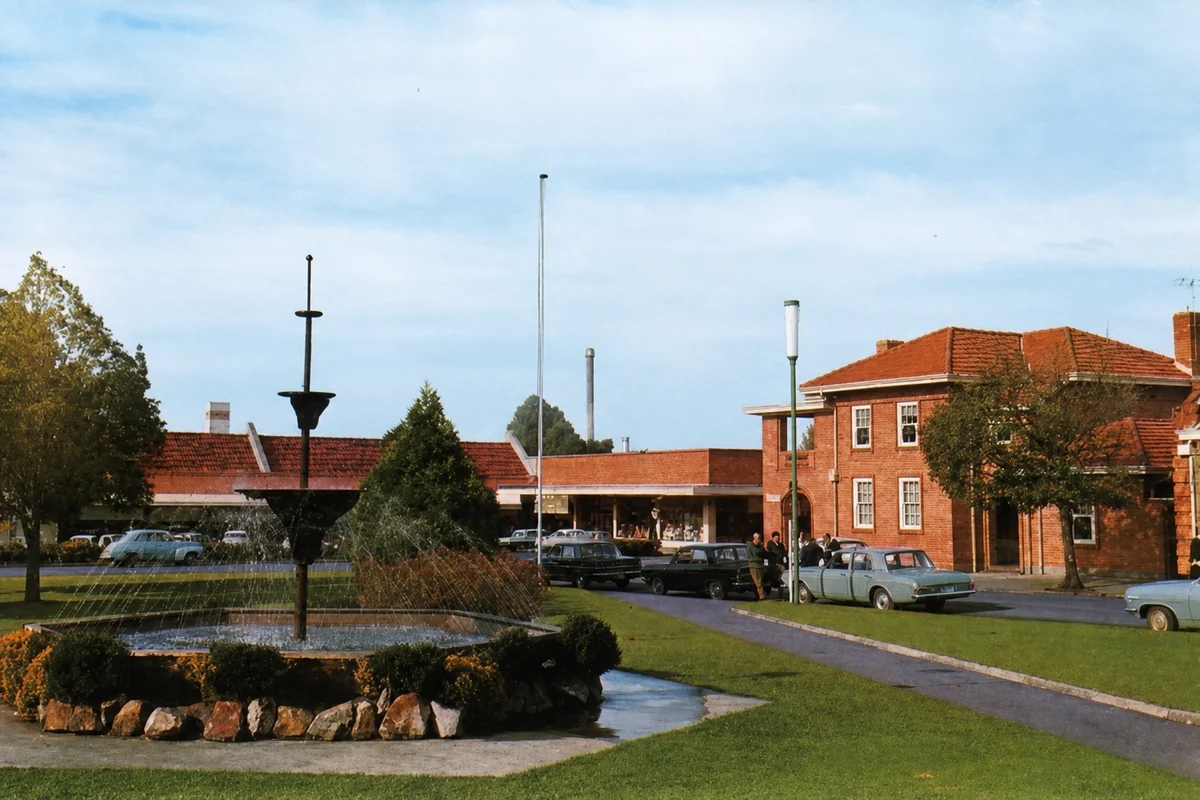
These are working expressions of public life. People built them, staff them, collect for them, volunteer in them and keep finding new uses for them. That tradition reached an especially ambitious form at Yallourn, one of Latrobe's clearest experiments in designing work, housing, landscape and civic life as one connected project.
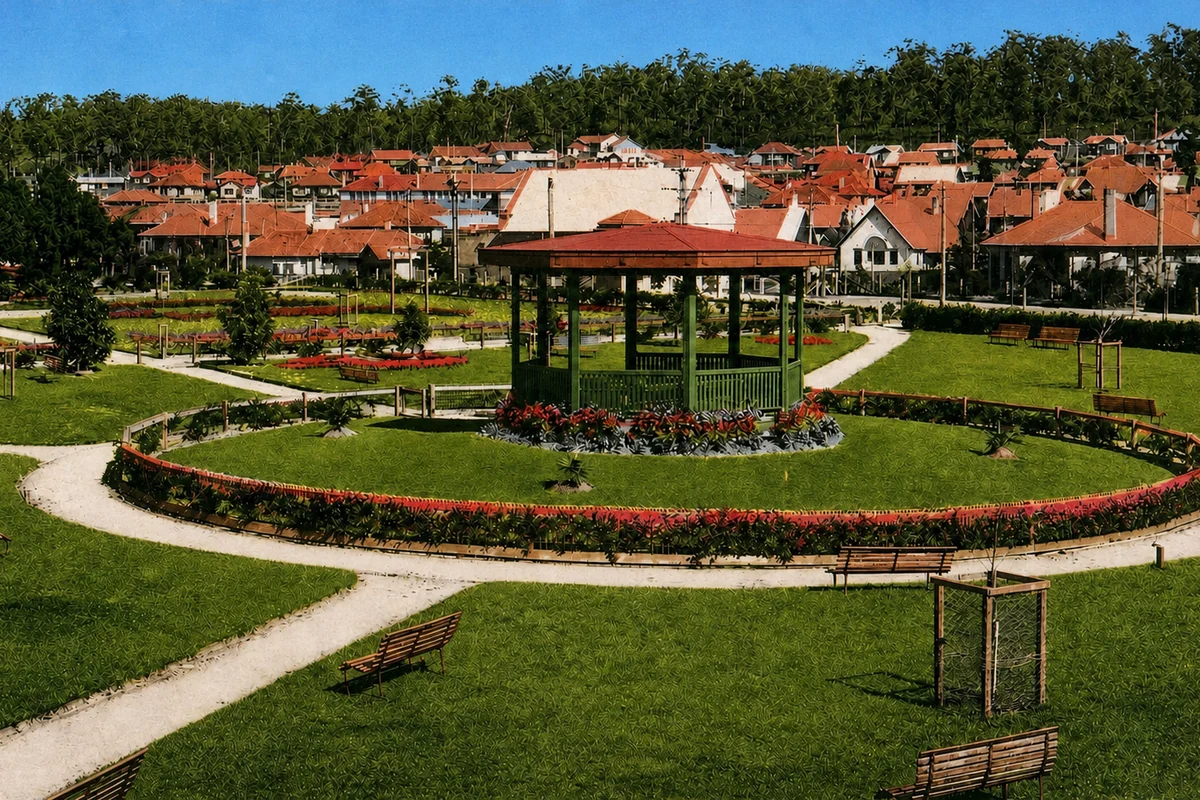
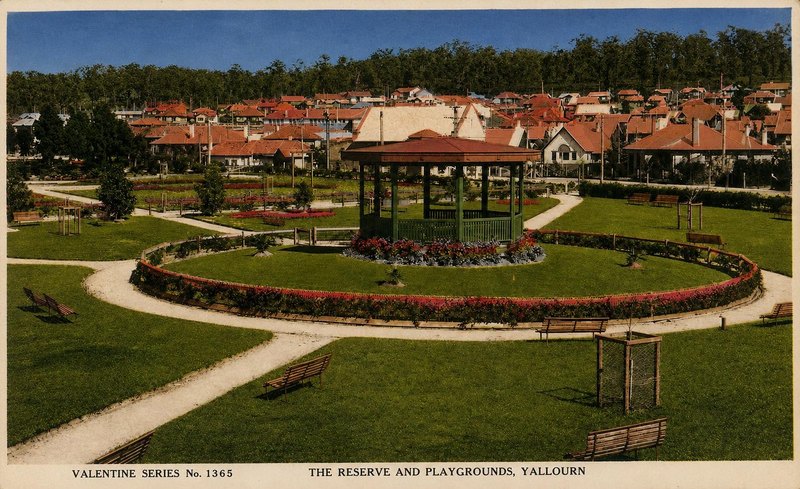
In 1921, State Electricity Commission architect A.R. La Gerche planned the town around a central square, with streets radiating through the site and following the land. Landscape gardener Hugh Linaker designed parks, gardens and extensive street planting. Homes, public buildings, shops, sporting grounds and open space were considered as parts of daily life for the people building Victoria's new electricity system.
The plan belonged to the international Garden City movement. Public records trace that movement from Britain into Yallourn, while local histories identify Letchworth and Welwyn Garden City as specific precedents. Ebenezer Howard's Garden City ideas joined town and country, housing and employment, greenery and civic facilities in a planned social environment. La Gerche and Linaker gave that broad inheritance a form shaped for Yallourn and the work of the SEC.
The design carried a vision of healthy streets, gardens, recreation and public life around an industrial workforce. Residents supplied the social energy. They formed clubs and sporting organisations, used halls and public facilities, published and read local news, raised families and developed a strong civic identity around the town.
The SEC held extraordinary power within the same design and was extremely profitable for the state of Victoria and its people. For Yallourn, it was employer, landlord, shopkeeper and town governor. Residence centred on SEC employment. Workers on basic wages sometimes found the model rents beyond their means and made homes in camps outside the planned town. The town's civic ambition, institutional control and resident-made community all belong to its history.
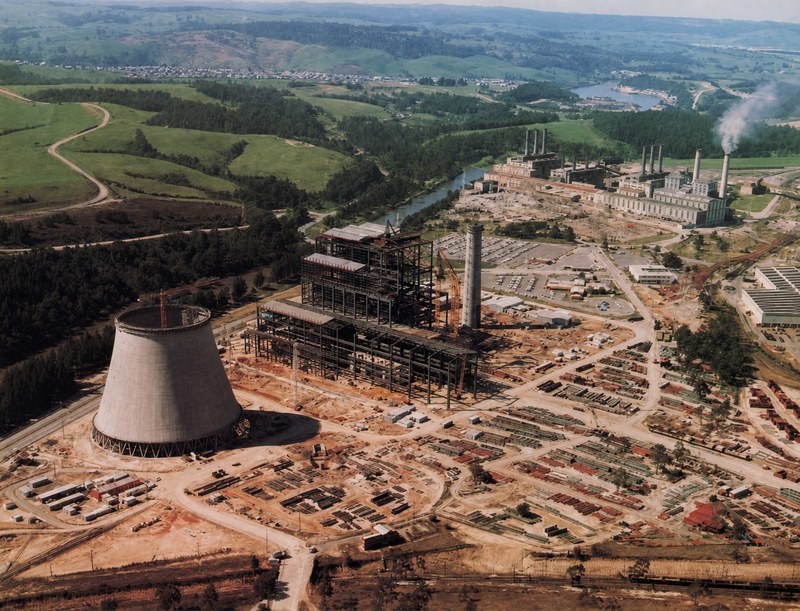
Coal beneath Yallourn eventually determined the town's physical fate. The SEC announced its removal in 1961, and demolition gathered pace during the 1970s. By the early 1980s, the town had largely disappeared into the expansion of the open cut.
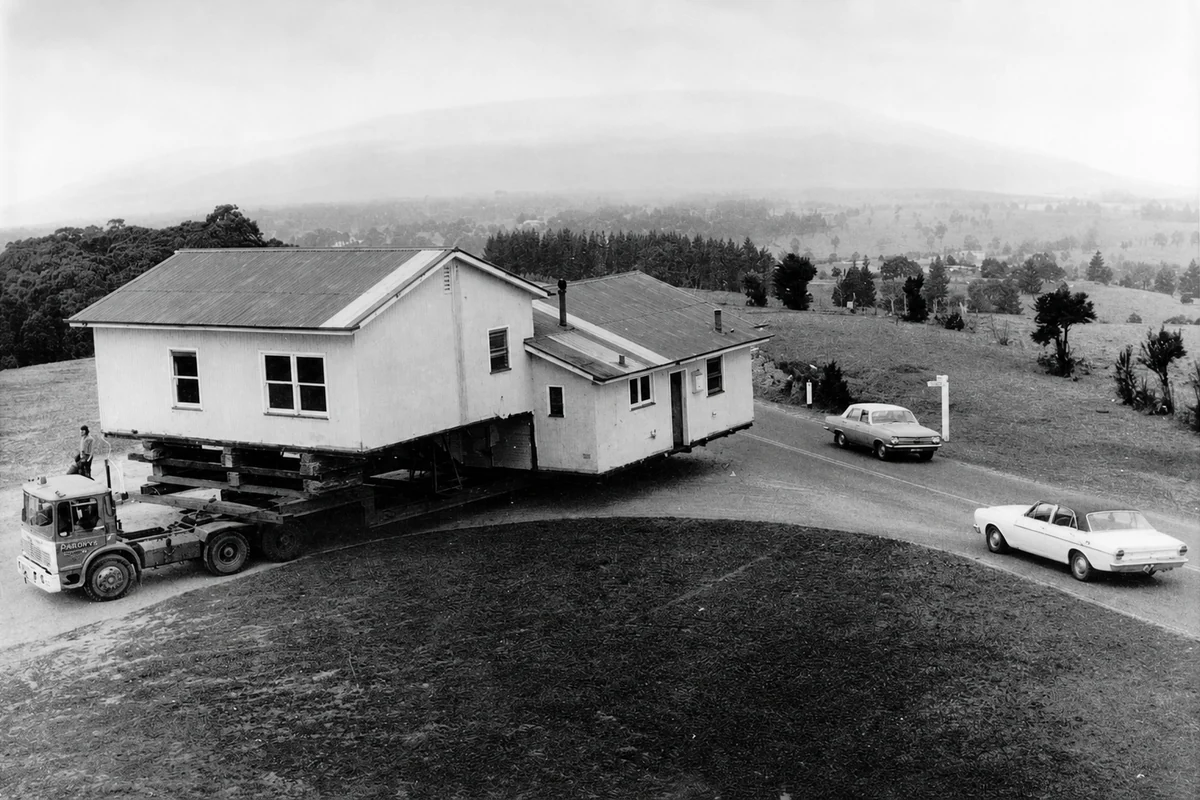
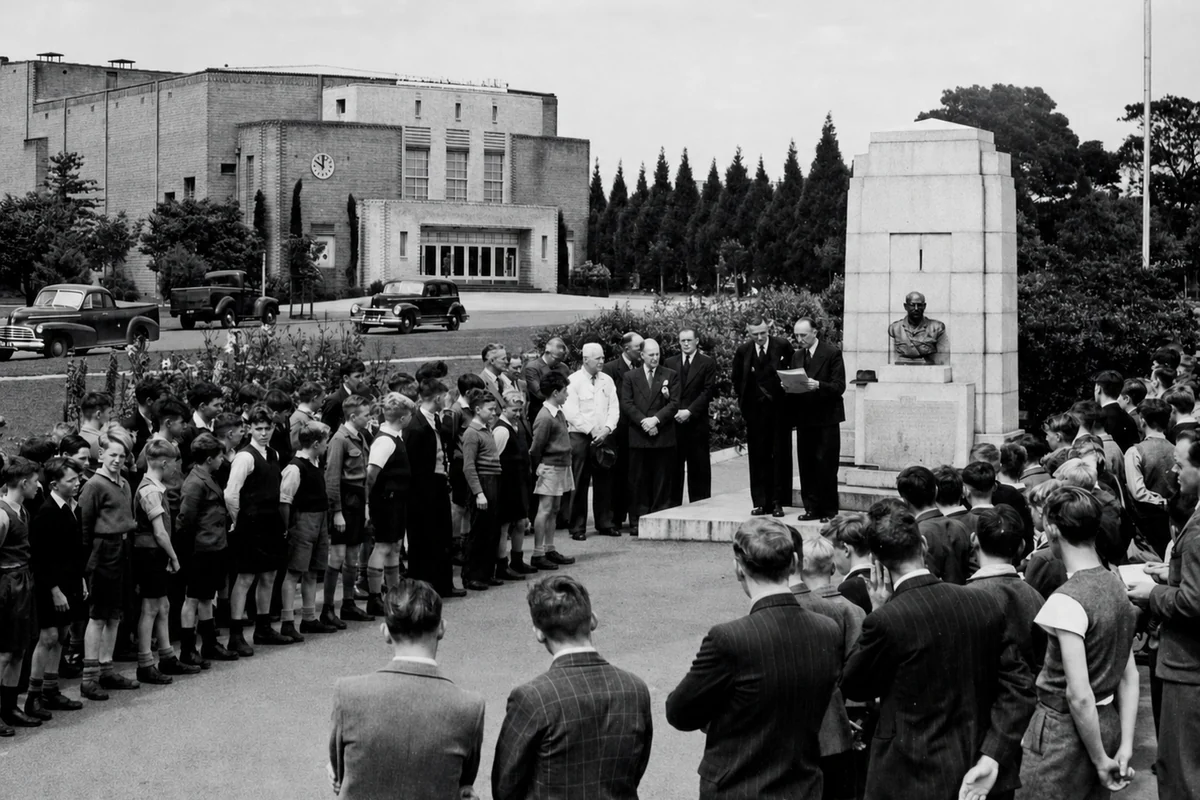
Its people and material life moved through Latrobe. Houses travelled to Newborough, Moe, Morwell, Traralgon, Yallourn North and other communities. The Yallourn war memorial moved to Newborough. The Sir John Monash memorial moved to Morwell's PowerWorks. Former residents carried relationships, stories, clubs and ways of remembering into new streets and towns.
Yallourn's history gives Open House Latrobe a deep local resonance. Buildings hold plans and public purposes. People give them life. Memory can travel when the original streets are gone. The current program carries that history of collective work into places whose functions shape daily life now.
From the archive
Yallourn
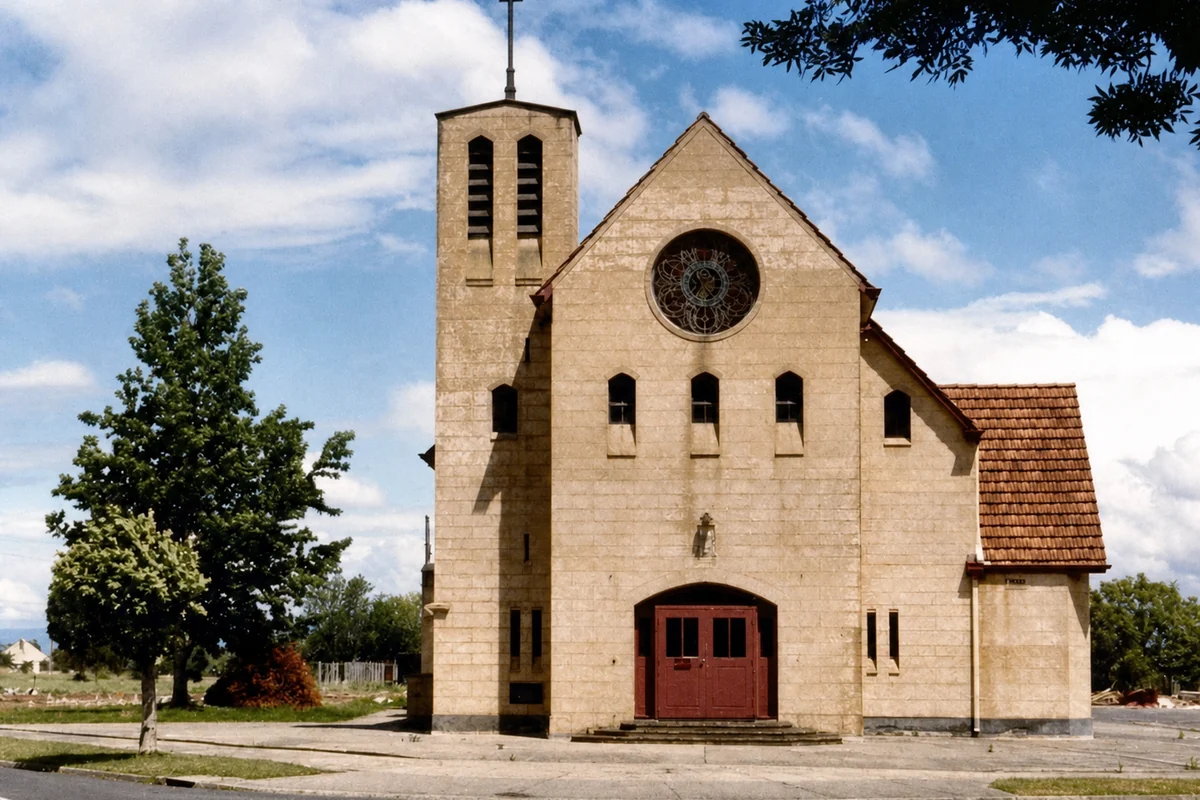
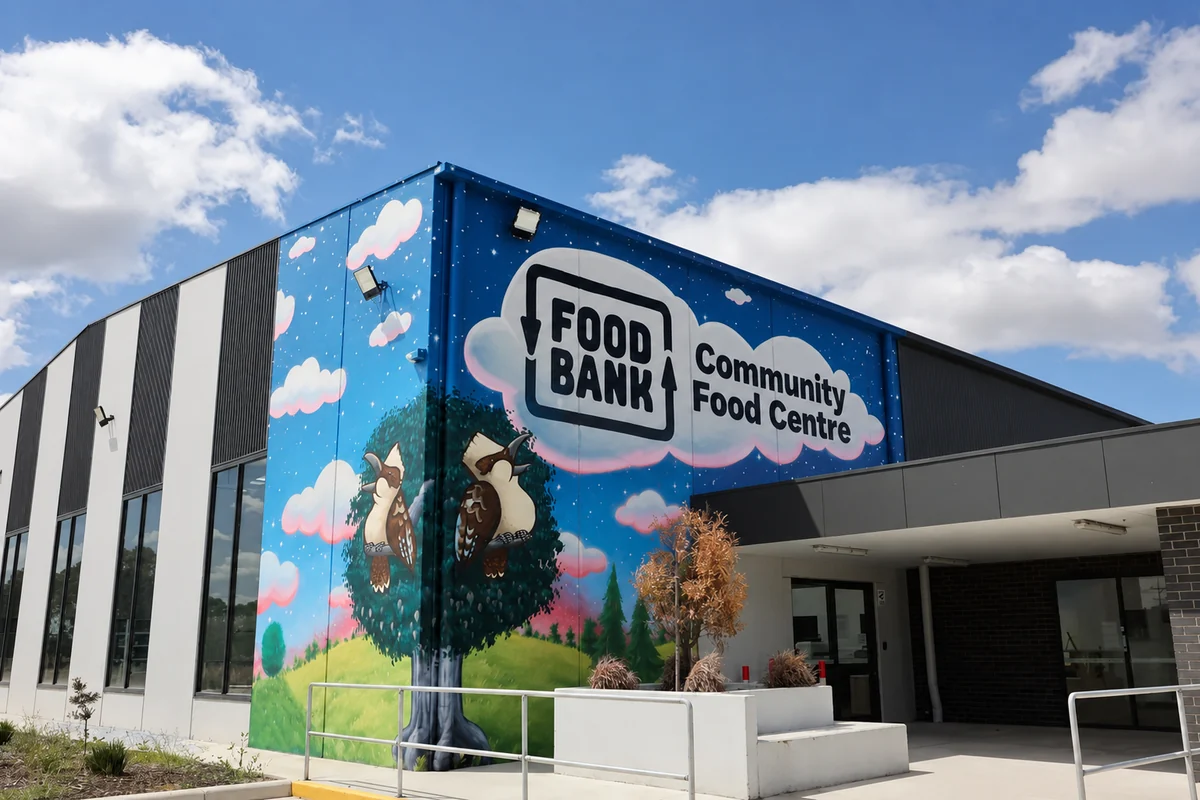
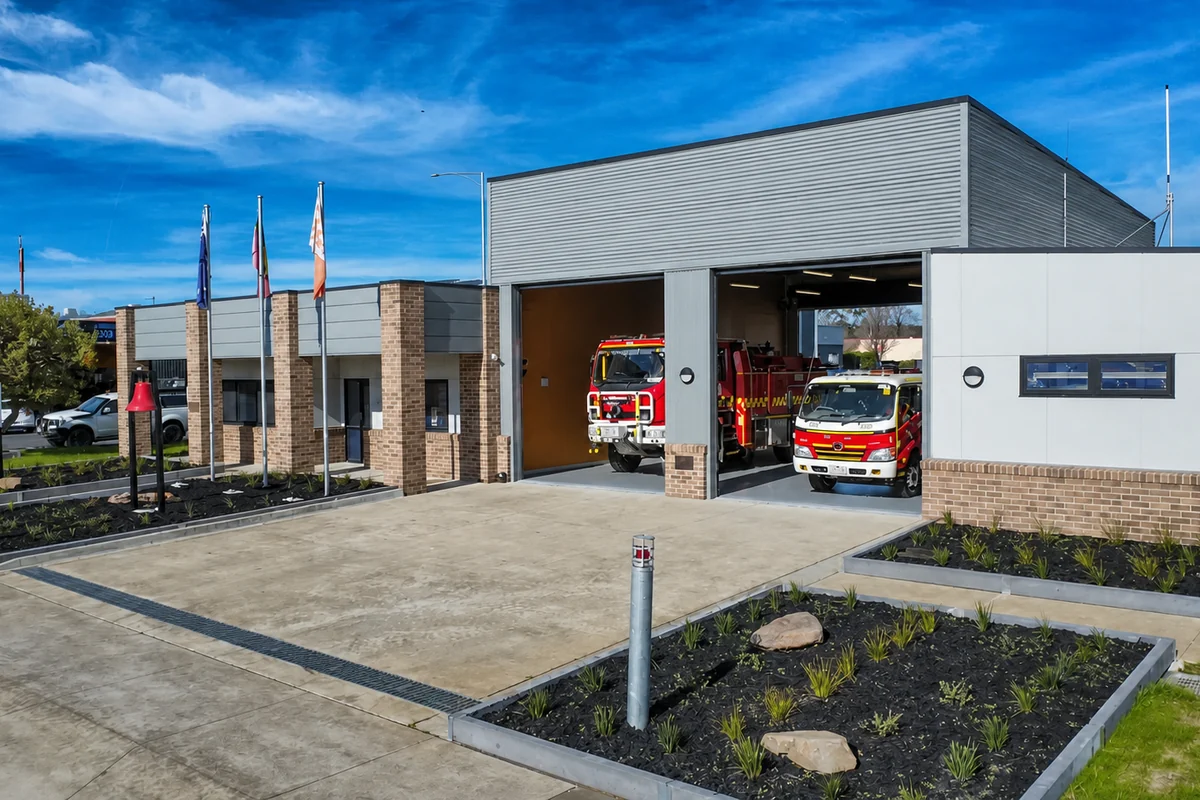
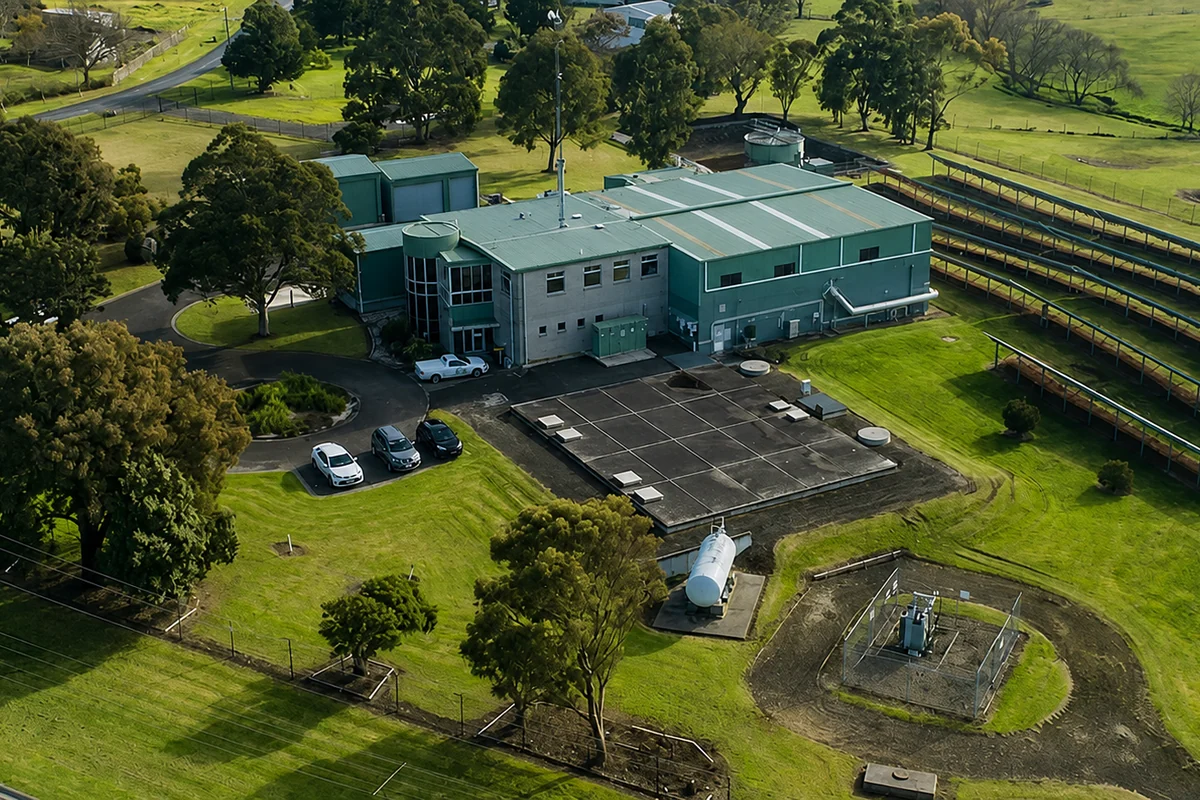
At the Foodbank Victoria Community Food Centre, public access and guided components introduce a place organised around food relief and community support. Moe Fire Station opens the working environment of emergency service. The water treatment plant at Traralgon makes the regional work of water management visible. The Latrobe City Commercial Landfill Facility and PineGro connect waste, recovery and environmental management. The Traralgon's railway reservoir conservation reserve opens another conversation about landscape, movement and stewardship.
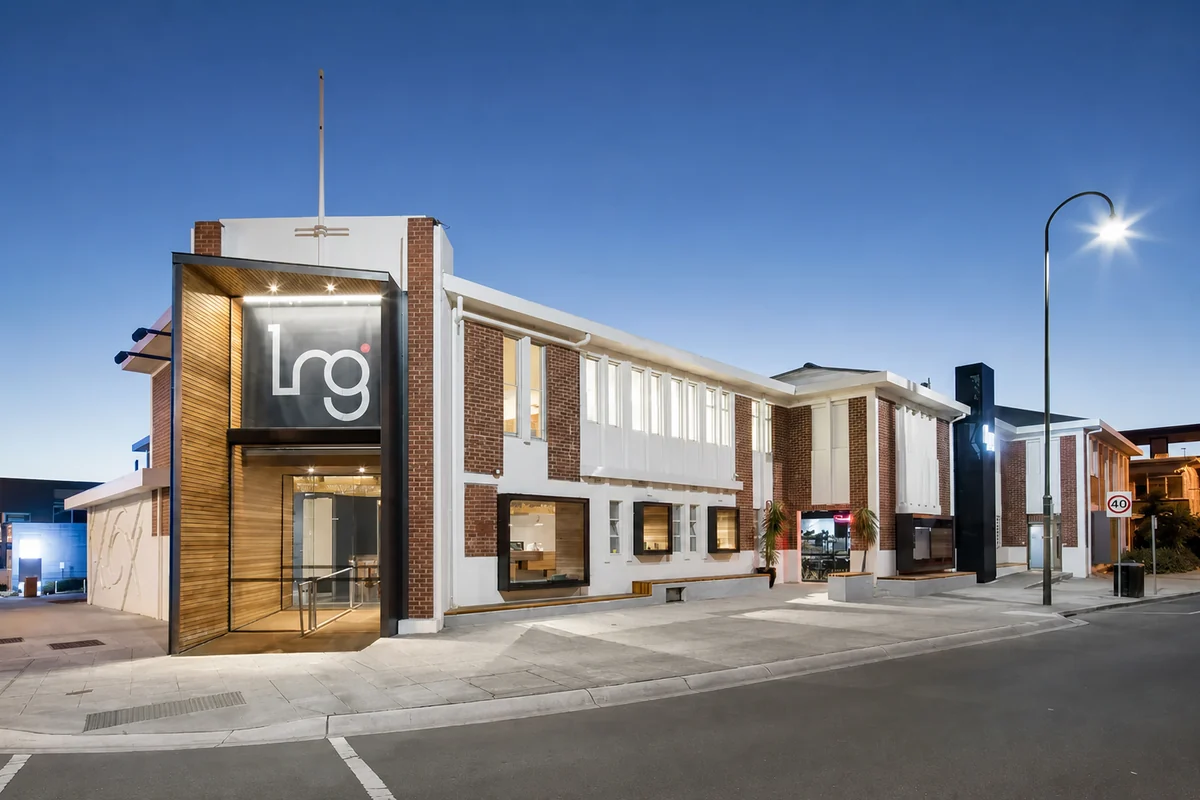
Culture carries its own form of care. Latrobe Regional Gallery preserves and presents art through exhibitions and public programs. Gippsland Performing Arts Centre creates space for performance and gathering. ARC Yinnar, Matchbox Gallery and the creative activity around Yinnar show people making cultural life through local initiative. Libraries across the region continue their long role as places of learning, service, making and public connection.
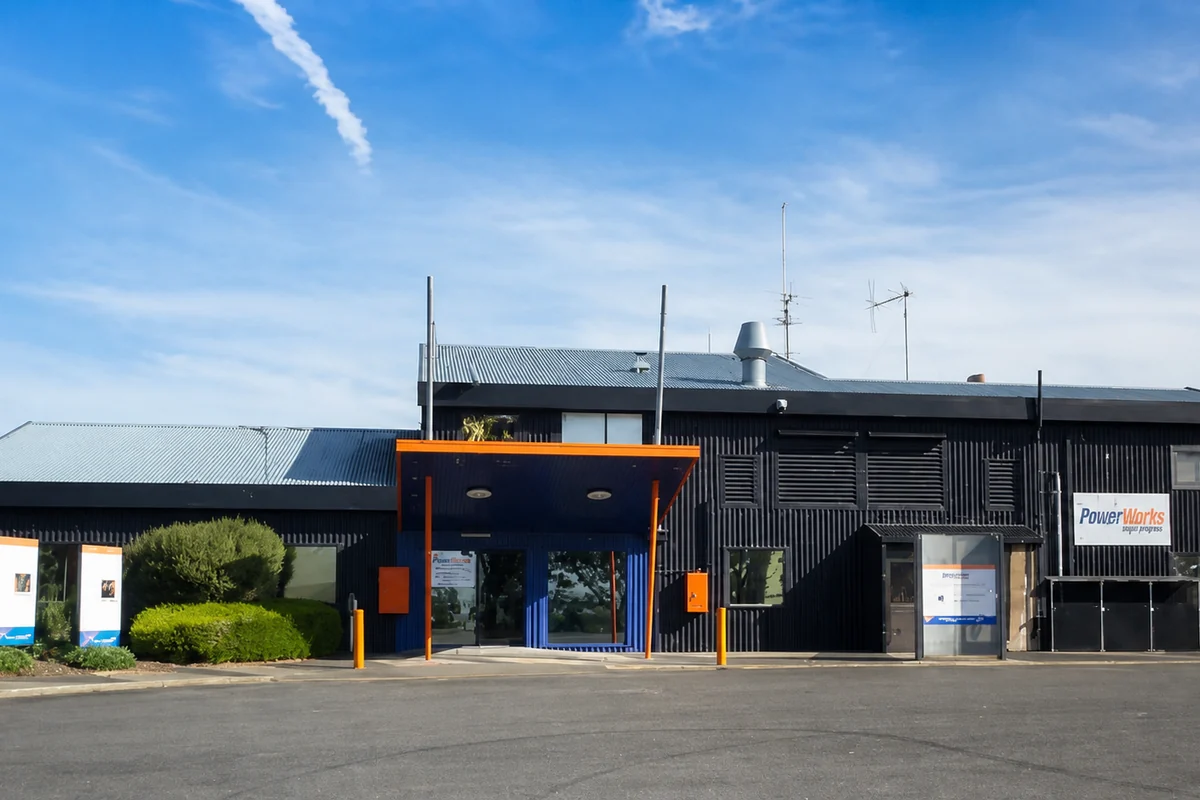
Industry remains part of the shared story. The EnergyAustralia Yallourn Mine Tour, PowerWorks Energy Education Centre and Yallourn Production Centre bring people close to the systems, records and skills that shaped the Valley's role in powering Victoria. Morwell Innovation Centre, Latrobe Regional Airport and the Moe Rail Precinct Revitalisation point towards research, mobility, enterprise and new uses for regional capability.
Each subject speaks in its own terms. A gallery carries creative work. A fire station carries readiness and service. A court carries public law. A library carries knowledge and civic access. A mine carries industrial history, present work and the consequences that future planning must address. Their relationships make Latrobe legible as a region built through interdependence, and they lead naturally to the questions Latrobe is again working through: how to design, take responsibility for and build a shared future.
Latrobe today
Caring for Latrobe Now
The adopted Latrobe City Council Community Vision looks to 2035 and describes a vibrant, thriving, healthy, connected and welcoming regional community. It places growth, learning, opportunity and innovation alongside natural surroundings and creative, educational, recreational and cultural life.
The Gippsland 2035 transition framework was shaped through contributions from more than 1,000 local people and collaboration with Traditional Owners, business, industry, local government and community organisations. Its planned directions include new energy, advanced manufacturing, food and fibre, health, tourism, education and training, liveability and shared leadership.
Plans become credible through the work people carry into institutions, projects and public decisions. Open House gives those directions physical addresses. A visitor can enter the buildings where people perform, study, provide services, manage resources, preserve history, develop ideas and discuss what transition asks of the region.
This is where Latrobe's history becomes useful to its future. The Garden City inheritance shows the reach of ambitious civic design. Yallourn's company-town structure shows how power and responsibility can become concentrated. The town's removal shows the human weight of large industrial decisions. The community organisations, moved buildings, cultural institutions and public services show how people continue to make shared life through change.
The future will also be built through choices about Country, work, energy, water, culture, health, mobility, education and belonging. Those choices need places where people can see the systems involved, listen to the people carrying knowledge and take part in public conversation.
Open House Latrobe creates that opportunity for one weekend. The habits it reveals have been forming here for generations, and the full program gives every reader a different way into this story. Someone may begin with the Garden City and energy history at Yallourn. Another person may choose a library, gallery, courthouse or museum. Others may follow water, food, waste, aviation, rail, performance, local making or environmental care.
The official Open House Latrobe program is the live source for individual listings, dates, times, locations, bookings and site-specific access information. Some activities are open access and others require bookings. The official guide allows people to choose according to their interests and practical needs.
Begin with one door. Behind it is a particular place, cared for by particular people, carrying one part of Latrobe's past and one part of the work ahead.
Then look across the region again. The doors form a shared place.
An Eden of the East Foundation initiative
Power of Colour Awards 2026
On 14 and 15 November, Power of Colour celebrates Latrobe’s gardens, gardeners and shared creativity through garden visits, awards, and community and industry showcases.
Explore Power of Colour