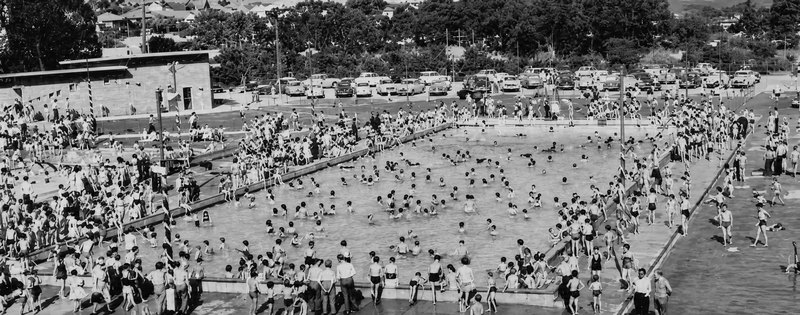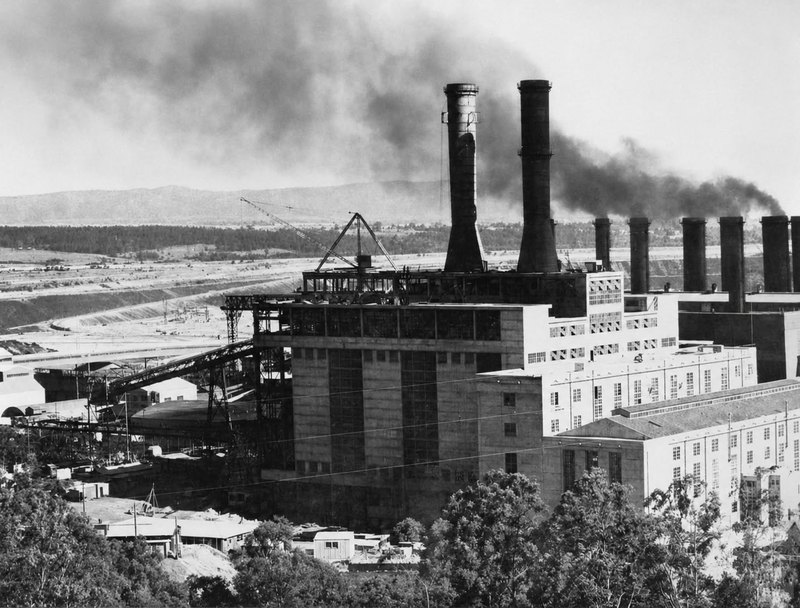
Melbourne's population was approximately 1.4 million. Yallourn a mere 5,000.
Entering the competition in 1947 Yallourn promptly lost their first three games. A 4-2 win against Heidelberg Rangers was uplifting but faded quickly with three more losses. They finished the season with 4 wins, 1 draw and 12 losses.
1948 was worse. Yallourn won 3 matches, drew 2, lost 9 and finished second last on the ladder.
Yallourn sank deeper in 1949. They earned only 12 points from 5 wins, 2 draws and 11 losses and were relegated to Division 2 for 1950, showing this upstart energy town was no match for the big city elites.
The Yallourn team pumped oxygen onto their coal embers and in 1950 telegraphed this amazing town's true might. Yallourn won 14 games, drew 1 and lost 3 finishing one point behind Western Suburbs on the ladder. And importantly earning a Division One berth for the next year.
The 1951 eighteen round premiership kicked off on 7 April with a draw against Brighton at Hurlingham Park. The next 11 rounds resulted in a 6 wins and 5 draws. Yallourn was the only team undefeated at this point.
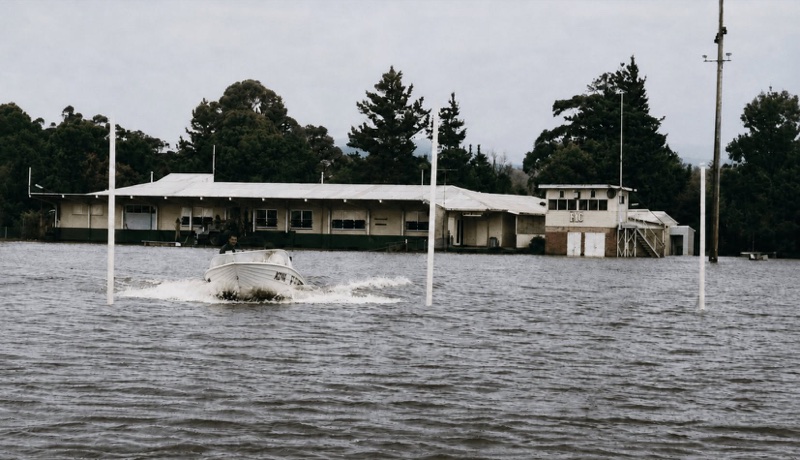
Then on 30 June Yallourn suffered a 6-0 hammering by Prahran at the Yallourn Sports Reserve. Their home ground, in front of their home crowd. The disappointment was palpable and ignited a deeper fire deep within the team.
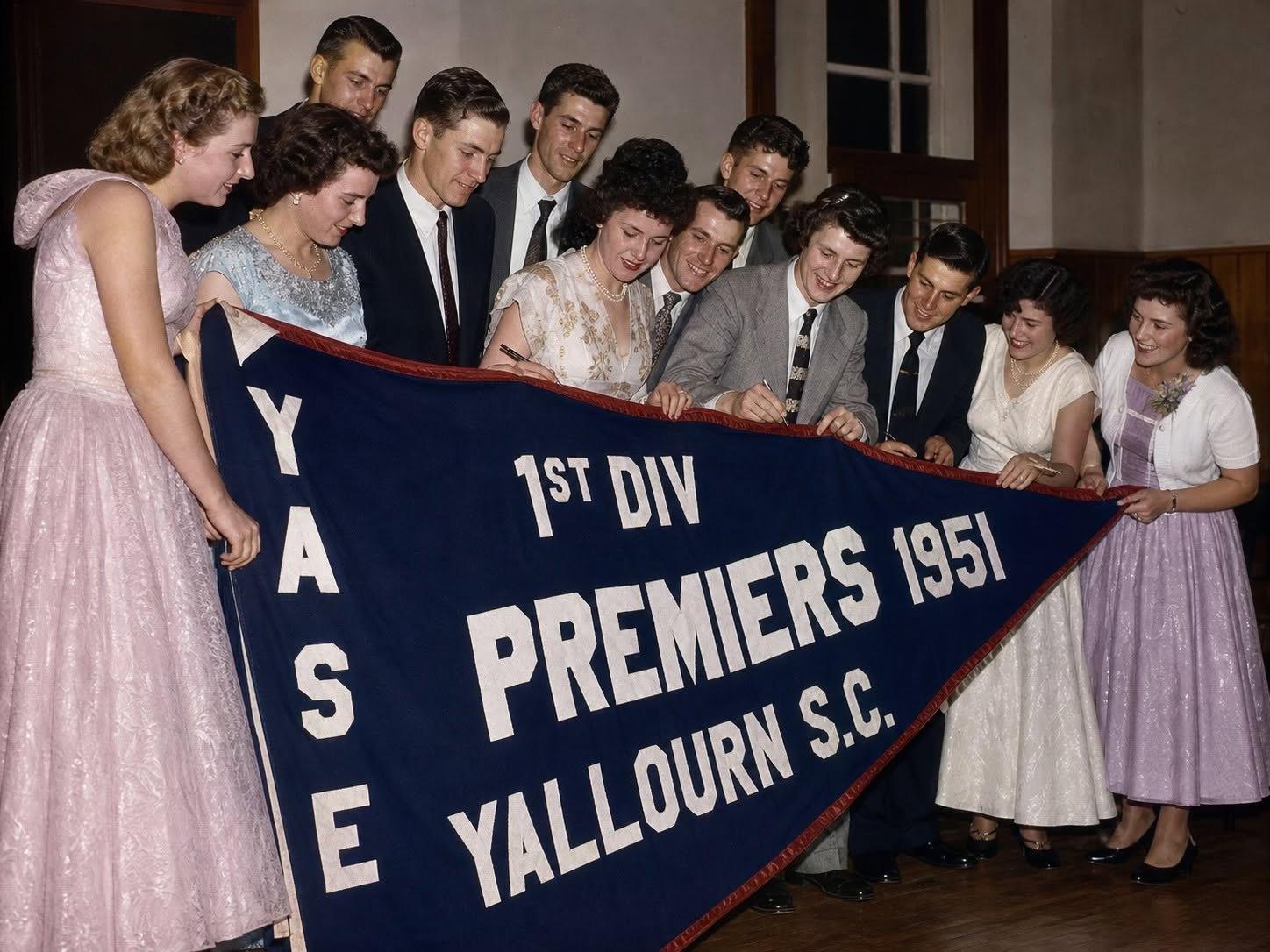
Yallourn went on to win the next five rounds including smashing Sunshine City 7-1. Yallourn finished the season with 11 wins, 6 draws and 1 loss to take the Victorian premiership.
This is Latrobe City heritage. Your heritage. Power station workers and their families, living in a garden city carved out of the coal fields, watching their team do what no country club had ever done. Because this is Yallourn. The community they built here had the pride and the unshakeable belief that what happened here mattered.
The newspaper splashed: Yallourn's got the cup the city couldn't keep.
Yallourn is gone. The town was demolished for the coal beneath it. But the Miracle Men played. The cup came home. That will always be part of the people who live here.
That fire is still here. It burns inside the people of this valley today.
The Sir John Monash Museum exists to make sure the next generation knows it.