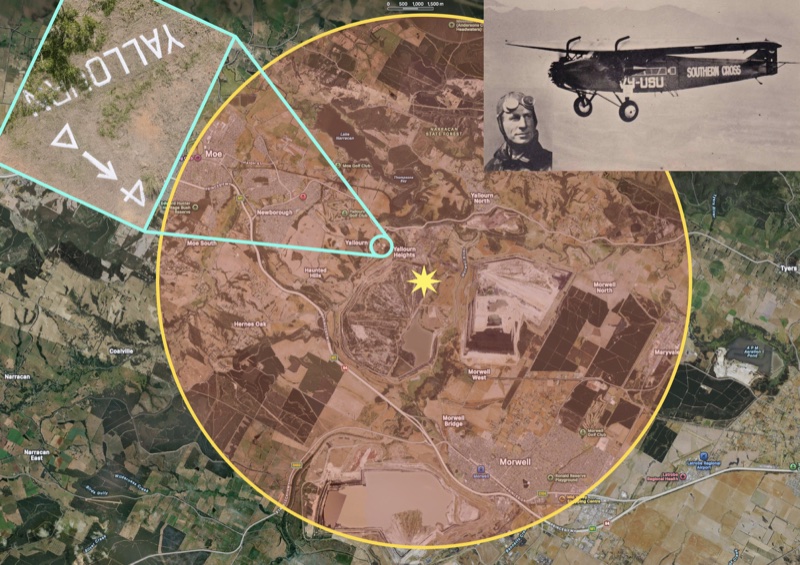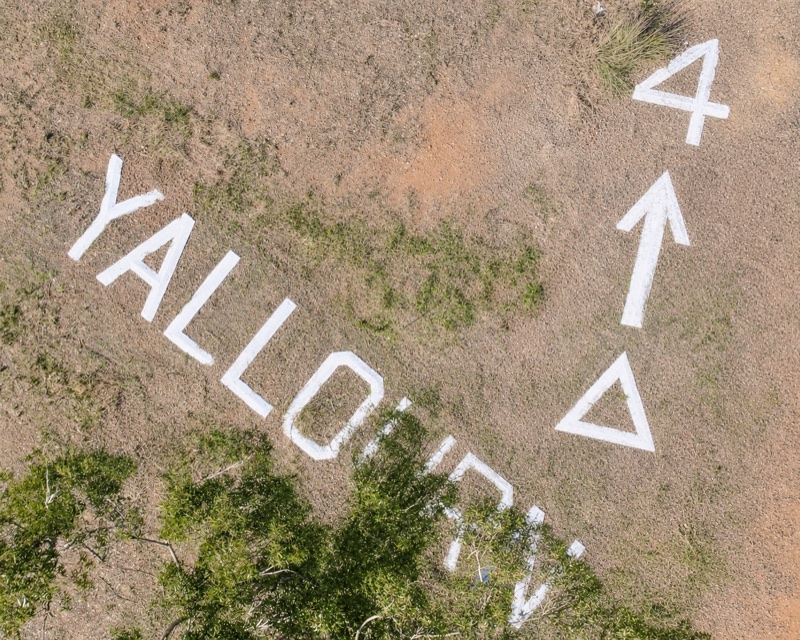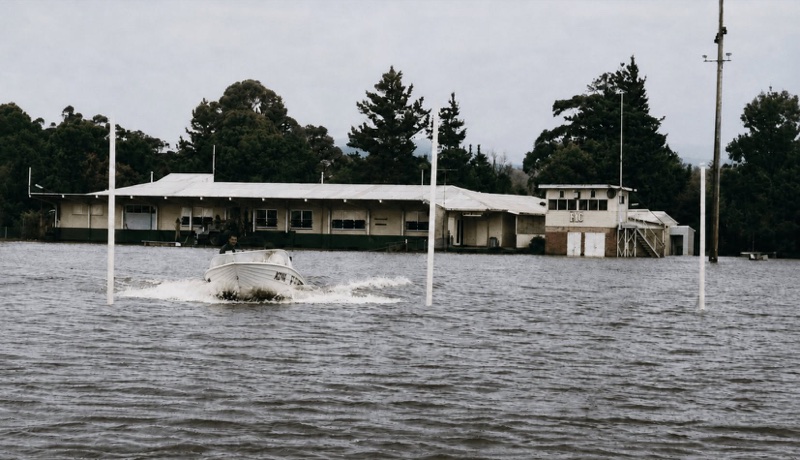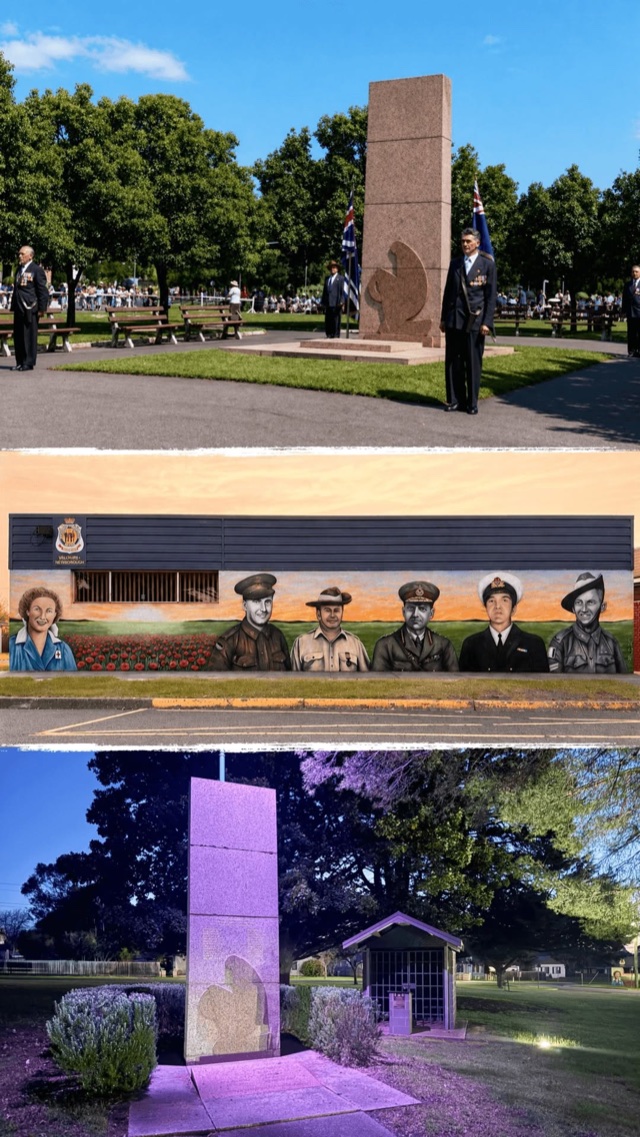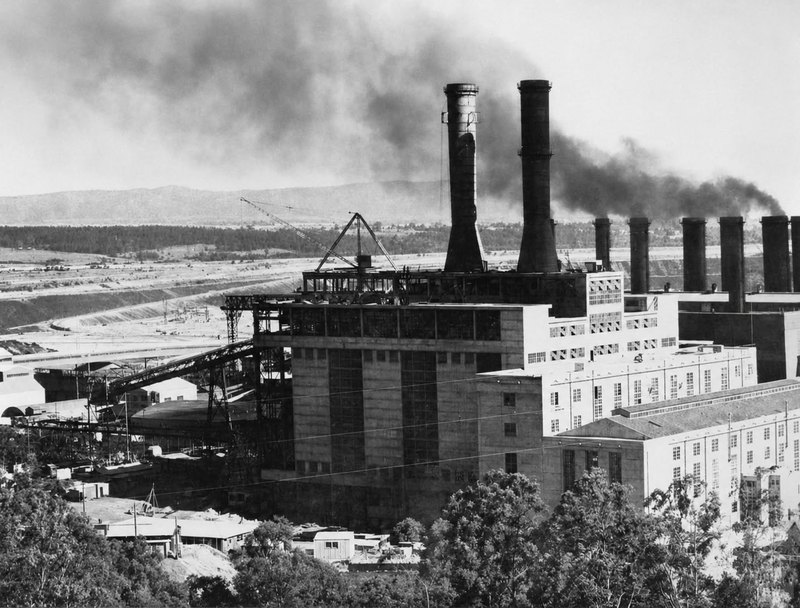
That is the scale of what the people of Latrobe Valley produced. This is our heritage and who we are.
In total more than twenty million tonnes of briquettes left the Yallourn works. Roughly the weight of 380 Sydney Harbour Bridges — one bridge every six weeks, again and again, year after year. Yallourn’s workers were critical to helping heat homes, feeding boilers, powering Victoria’s growing industry. We turned Victorian brown coal into a fuel people could use.
The Latrobe Valley holds a world-scale energy reserve. Estimates show the Valley’s brown coal reserves at approximately 53 billion tonnes — enough to last more than 800 years, and possibly up to 1200 years. Eight hundred years is a span reaching back before the printing press, before Shakespeare, before Leonardo da Vinci, before the Industrial Revolution, into the age of castles, hand-copied books and medieval kingdoms.
Yallourn began with abundance — and with a problem only engineering could solve.
The coal was full of water.
Victorian brown coal held around 66 per cent moisture, closer to wet clay than to something that should turn water into steam. It was fuel but behaved like wet earth. It is an enormous energy reserve. But in a furnace, it was awkward, damp, unstable and difficult to transport.
Victoria had already proved brown coal could be made into briquettes. The Great Morwell Coal Mining Company produced early Victorian briquettes in the 1890s. The Great Morwell Coal Mining Company was wound up on 22 February 1899, after failing to turn Victoria’s brown-coal promise into a reliable commercial fuel industry.
James Stirling was a Victorian government geologist and surveyor. He was born in Geelong, grew up in East Gippsland, worked as a mail-rider, stonemason and draughtsman, then became a Lands Department surveyor at Omeo at age 21.
Stirling became part of the Victorian Government’s long search for a way to turn brown coal into a usable industrial fuel. In 1901, he was sent to Germany to study brown-coal use and briquette-making methods. He returned with technical details of briquette manufacture and urged the exploitation of Victoria’s “magnificent beds.”
Then Hyman Herman took up how to burn wet coal. He was a Bendigo-born geologist and mining engineer who became Director of the Geological Survey of Victoria in 1912. By the First World War, he had become one of brown coal’s strongest advocates inside government. He understood the strategic problem clearly: Victoria depended heavily on imported black coal from New South Wales, and that supply could be interrupted, expensive and politically exposed.
In 1918, Herman proved something vital. Using a hand-powered hydraulic press in the University of Melbourne’s Engineering Department laboratory, he made a briquette from Morwell brown coal without a binding agent.
Herman proved Victorian brown coal could be made into briquettes. But that was in a laboratory. It needed to be done at an industrial scale. And that was an entirely different problem. Creating a prototype process where briquettes can be made every hour, every day, under cost, under pressure, with men, machinery, boilers, conveyors, spare parts, power, maintenance and profit all pulling in the same direction.
Germany had built that system.
The Rhineland’s brown-coal companies had spent decades perfecting the technology Victoria needed. Their briquette presses crushed, dried and compressed wet brown coal into a hard, transportable fuel that could be handled like black coal and burned in ordinary boilers.
The German companies guarded that knowledge and had no intentions of sharing it.
But Sir John Monash went after it.
He sent Major Edric Noel Mulligan, a mining soldier, undercover to obtain the secret. Mulligan had served with the Australian Mining Corps and commanded men of the 2nd Australian Tunnelling Company on the Western Front. He understood mines, machinery, underground work, discipline and technical detail. Monash chose a man who could read the industrial landscape as well as the military one.
In Germany, Mulligan’s cover began as a tourist.
Mulligan entered the Rhineland after the war, when British forces occupied the region but the mines remained in private German hands. His interpreter failed to appear, so he went on without him. He reached Cologne and moved towards the Fortuna works, near Bergheim — one of the key brown-coal operations in the district.
He posed as an inquisitive visitor and arranged to inspect the mine.
The mine officials were wary. Mulligan tried to obtain plans on a quiet Sunday and came away with little more than a boiler-furnace drawing. Then he pushed harder. He engaged a German photographer to photograph the mine and its equipment. After four days, the men at Fortuna began to notice that this “tourist” was paying very close attention to machinery.
So Mulligan changed the game. He returned in uniform.
Armed with Monash’s letter of introduction, Mulligan secured assistance from General Sir Alexander Godley. Two officers and thirty-two men were placed under his command. They received sealed instructions. Their task was to take possession of offices connected to the coal syndicate, the machinery suppliers and the Fortuna works.
Then Mulligan’s team moved to full secret spy mode.
Plans were removed from offices after hours and at weekends. They were traced overnight. They were returned before the offices opened again, before the staff were aware they’d been taken. Mulligan himself called it smuggling.
This was state level espionage, befitting a James Bond movie. No alarms. No gunfire. No smashed doors. It was quieter and more dangerous in its own way — a mission conducted through access, timing, paper, trust, tobacco, cigarettes and the ability to appear less important than you were.
In occupied Germany, cigarettes were currency. Mulligan used them that way.
He cultivated Otto Ermert, Fortuna’s chief technical engineer, with tobacco and cigarettes that German civilians could not easily obtain. He hinted that Victoria’s brown-coal future might include opportunities for German expertise. Ermert began helping with technical explanations and access to newer plants.
Then Mulligan went higher up the chain.
He led Dr Schultz, a man connected with companies that made mining and briquetting plant, to believe Australia may place an order for a German briquetting plant capable of producing 1,000 tons a day. The possibility of business opened doors. Quotations appeared. Literature was handed over. Cost figures were shared. The machinery companies became friendly because they believed a sale might be coming.
By the end of the mission, Mulligan had gathered the heart of an industry, including coal samples, plans of the Fortuna mines and works, boiler-furnace designs, plans of modern Rhineland briquetting plants, photographs of the Fortuna complex, photographs of mining methods, technical information from Berlin, reports on brown-coal and briquette experiments, cost data, electrical equipment data, and a working model of a modern briquette press.
Resources Victoria later described the material as obtained by “special methods.” The truth is more cunning and planning than you’d find in a Tom Clancy novel.
What did Mulligan’s work make possible?
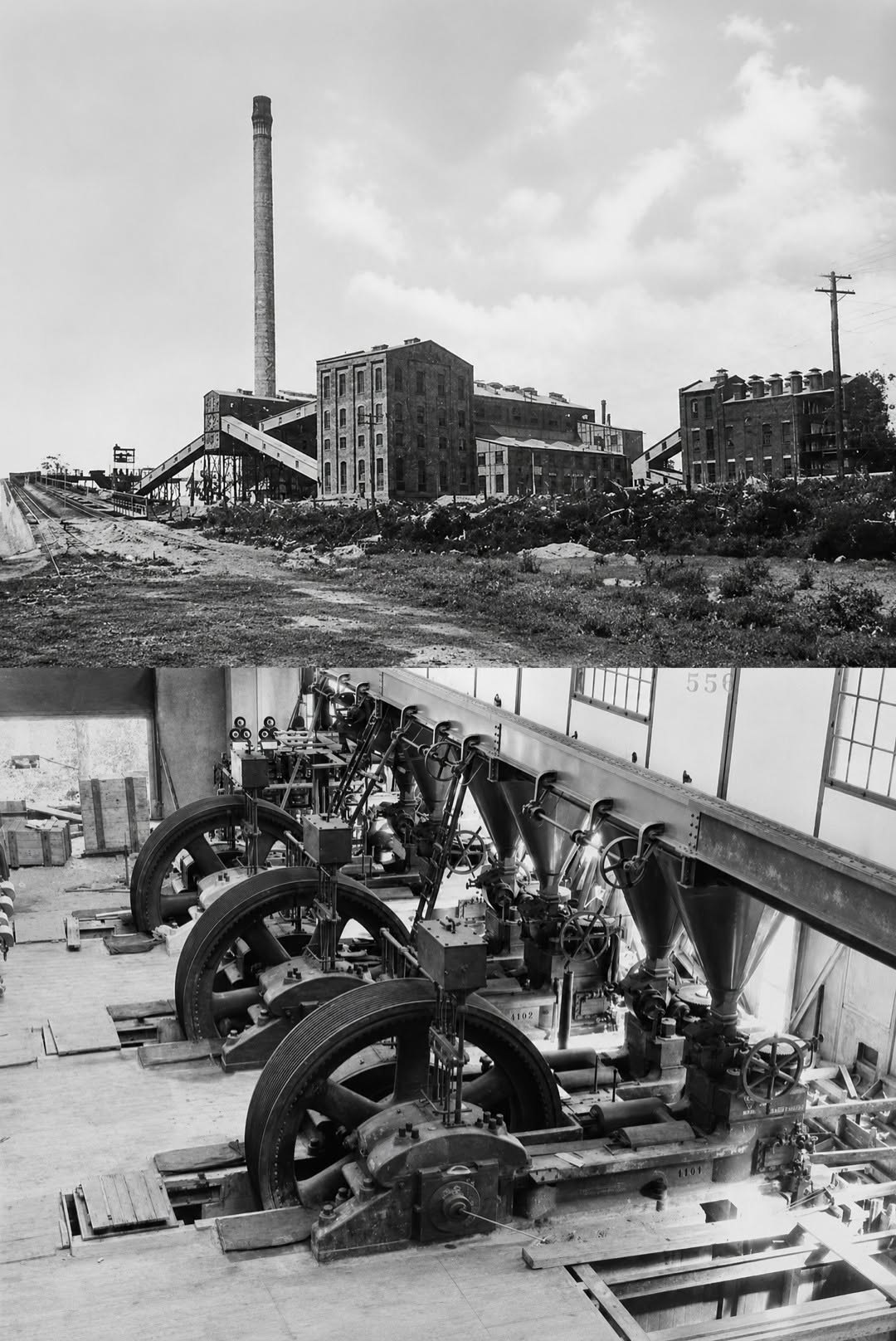
Raw brown coal was crushed, dried to remove three-quarters of its moisture, fed into the conical hopper of a steam-operated press, and compressed at high pressure into a dense block without any binding agent. The coal’s own structure did the work once the moisture had been driven out.
Eight presses similar to the German model formed the first plant installed at the Yallourn Briquette Factory in 1924.
This is how secrets from a mine office in guarded German works near Cologne became a briquette factory in Yallourn. A model carried out of Germany to a fuel that help heat Victorian homes and drive forward our industry.
The scale model still exists. It sits today in the Victorian Government’s geological collection — a small machine with a large consequence.
Yallourn’s briquette factory did not begin with a simple purchase order. It began with Monash identifying the knowledge Victoria needed and sending the right man to obtain it.
The Latrobe Valley has an abundance of energy. Brown coal.
Germany had the industrial method but wasn’t sharing it.
Monash connected the two.
The Sir John Monash Museum stands in the former administrative heart of the organisation that turned that intelligence into industry. The building at 30 Yallourn Drive belongs to this story. It is part of the machinery of decision, planning and power that made Yallourn possible.
Every six weeks, the weight of the Sydney Harbour Bridge left Yallourn as fuel for Australian families and industry.
That achievement began with a secret mission, a mining officer, a guarded German technology, and Sir John Monash’s tenacity to unlock Victoria’s energy.