
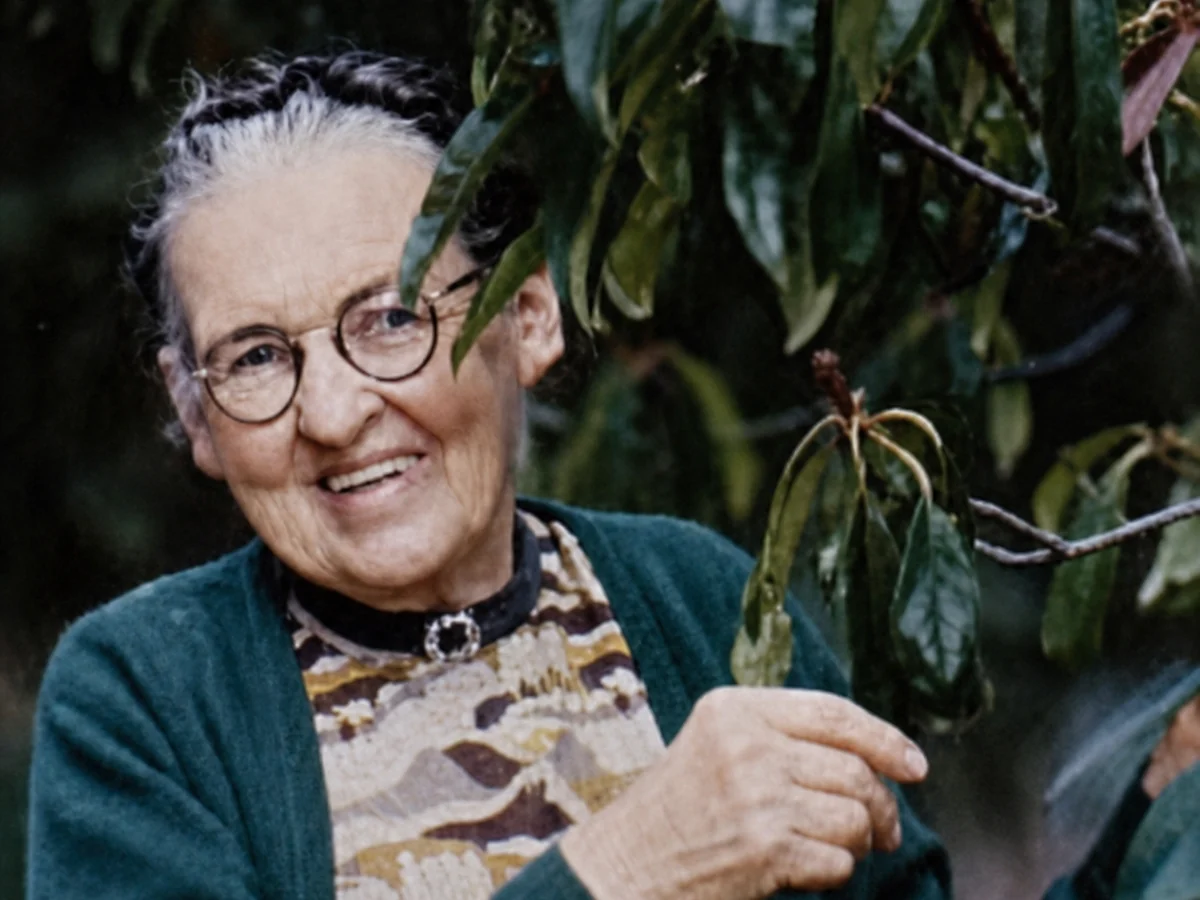
In 1983, Peter Cuffley passed through the old picket gate at Dunedin in Tyers because a rare book had led him there. He found its author, Jean Galbraith, aged seventy-seven, weeding the rock garden.
Jean led him along paths and beneath archways in a garden that had been growing for most of her life. She told him the stories held by individual plants. Inside the house, books and flowers crowded the room. Garden in a Valley had brought Cuffley to Tyers. Its paths, plants and rooms stood around him.
The garden had begun as family work. Jean was sixteen in 1922 when the Galbraiths undertook a major redevelopment of the ground around their home. The front was bare apart from docks and couch grass. Long, narrow paths crossed heavy clay. Jean, her parents Amy and Matthew, and her brothers ploughed, dug drains, broke the subsoil and trenched the beds. In summer, their water came from a well.
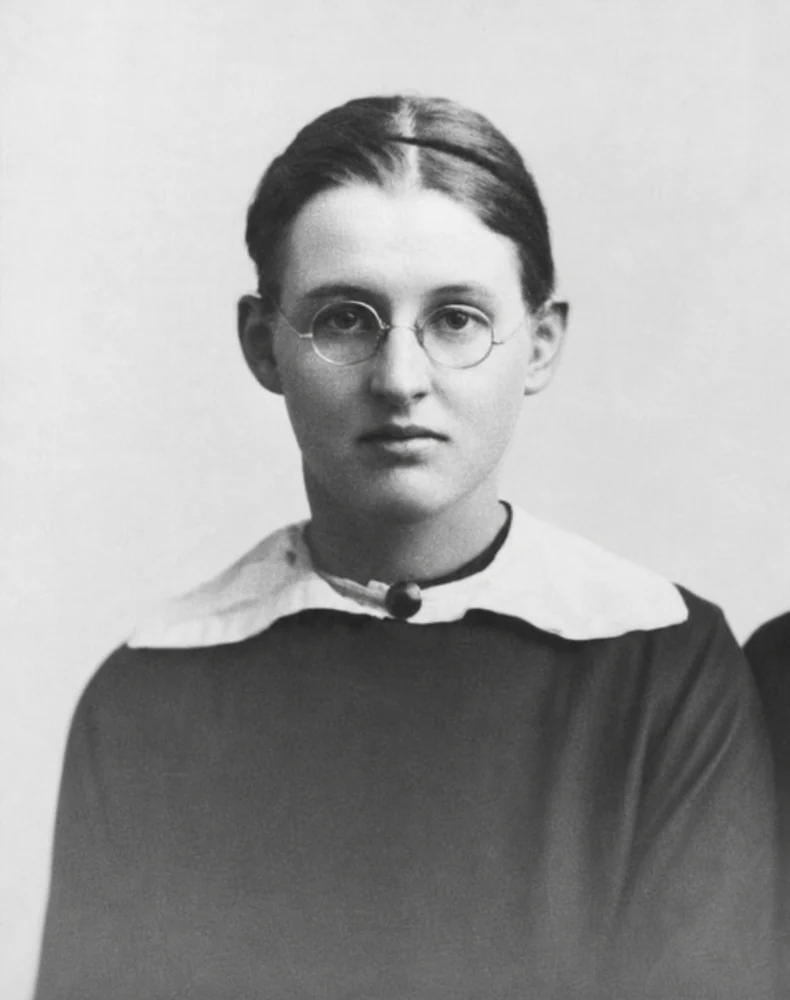
They made room for a long wildflower border and a central path called the Way of Roses. Native and introduced plants grew together. Within ten years, the garden held more than one hundred roses. Jean kept records of where plants had come from, when they flowered and seeded, and how they responded to life in the garden.
The records also preserved failure. The family built a bush house from tea-tree and paperbark, then watched its ferns die when hot westerly winds found their way through. They boarded the walls and changed the planting. The garden required observation, adjustment and another attempt.
Jean carried that habit of attention into her writing. At nineteen, under the pen name ‘Correa’, she began contributing a series called Australian Native Flowers to the Garden Lover. Her early articles helped readers grow Australian plants. As the series continued, the places where the plants lived entered the writing. The Latrobe River valley, its creeks, hills, trees and flowering seasons became part of the way she taught people to see.
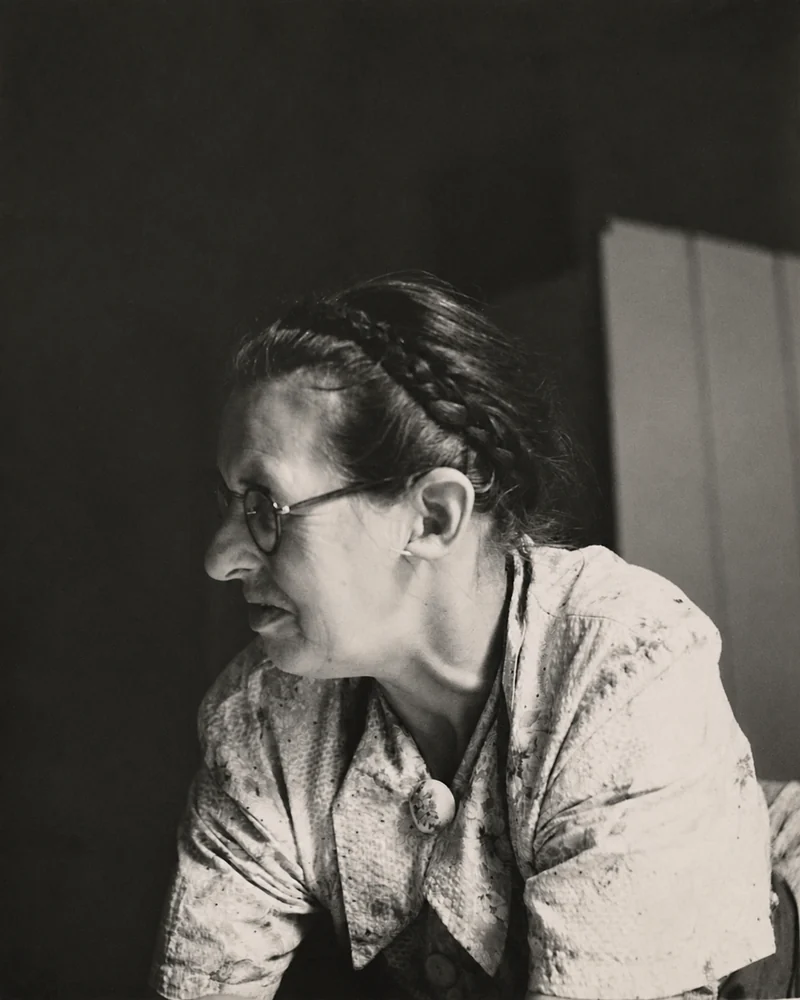
The garden was already reaching people in another form. From 1926, boxes painted yellow carried flowers from Gippsland to Ward XII at Melbourne's Austin Hospital. Letters travelled back to Dunedin. Plants Jean and her family had tended became the beginning of friendships with people far beyond Tyers.
In November 1935, Jean began writing the whole garden. Her new series, Garden in a Valley, appeared under the heading “Always Growing – Always Changing”. She gave its people, birds, animals and plants room in the story. Her parents and brothers appeared through their work and conversation. A plant could carry the memory of the person who had given it, the place where it had been found or the problem the family had learned to solve.
The garden gave Jean a form large enough to hold instruction, observation, family life and memory together. Its disorder belonged in that form. So did its work. The beds needed digging, plants failed, visitors arrived, seasons moved through and relationships accumulated along the paths.
A selection of the articles became Jean's first book in December 1939. The first edition received warm reviews and its copies sold, yet the publisher reported no profit and declined to reprint it. Jean continued writing, building a career that would span seven decades, while Garden in a Valley became hard to find.
That was the book Peter Cuffley carried back to Dunedin in 1983. His visit led to plans for a new illustrated edition. Jean read her own work again after about forty years and judged it her best. She also saw passages that belonged to an earlier conservation practice. References to digging plants from the bush needed revision because she no longer regarded the practice as harmless. The garden had taught her to change her mind as well as to look closely.
For the new edition, Cuffley reconstructed the garden of the 1930s through Jean's plan, old photographs, surviving plants and conversations with her. The book appeared late in 1985 and was reprinted in 1986.
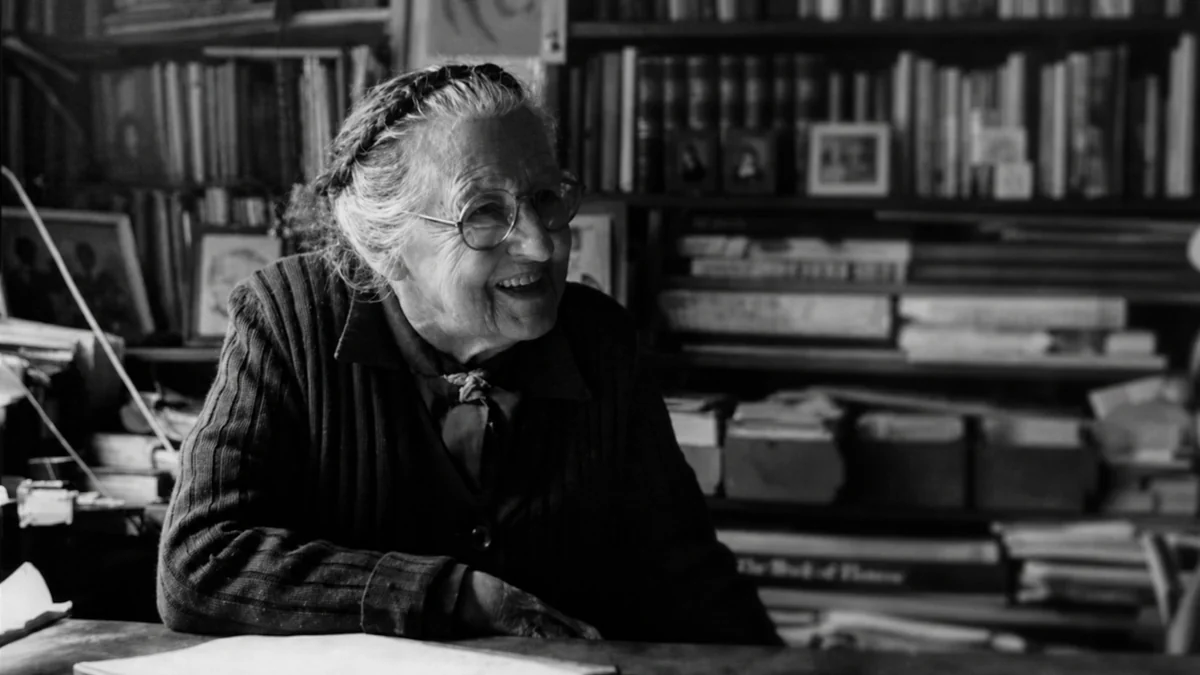
Readers began writing to Jean. Their letters connected her account of Dunedin with their own childhoods, parents and gardens. The response crossed generations and reached people who did not consider themselves gardeners. Jean's particular record of clay, roses, wildflowers, family work and constant change gave them a way back into places of their own.
The Jean Galbraith Flora Reserve in Tyers now carries her name in a public landscape. Dunedin was the Galbraith family home and the garden at the centre of her book. The old picket gate opens again in Jean's words. The letters added other gardens to the story her family began in the clay at Tyers.
Further reading
Jean Galbraith in print
When this page was prepared in August 2026, printed copies of both books were being offered online at prices well above their original retail levels.
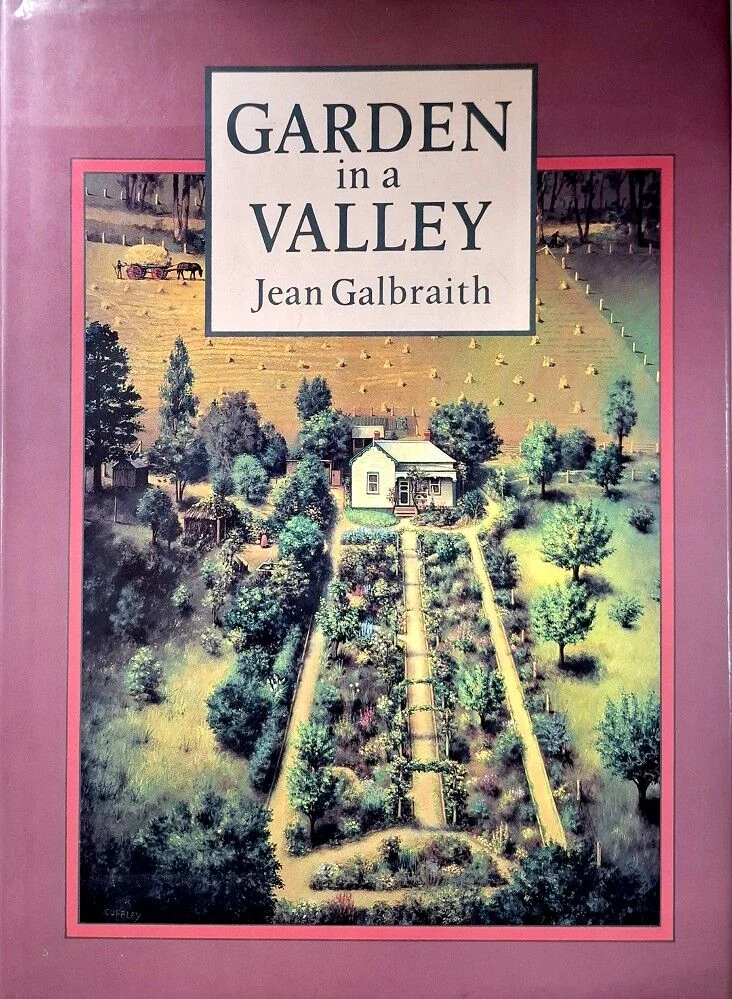
Garden in a Valley
Jean's garden writing returned to print in an illustrated edition in 1985 and was reprinted in 1986. The book remains the closest way into the paths, plants and family work at Dunedin.
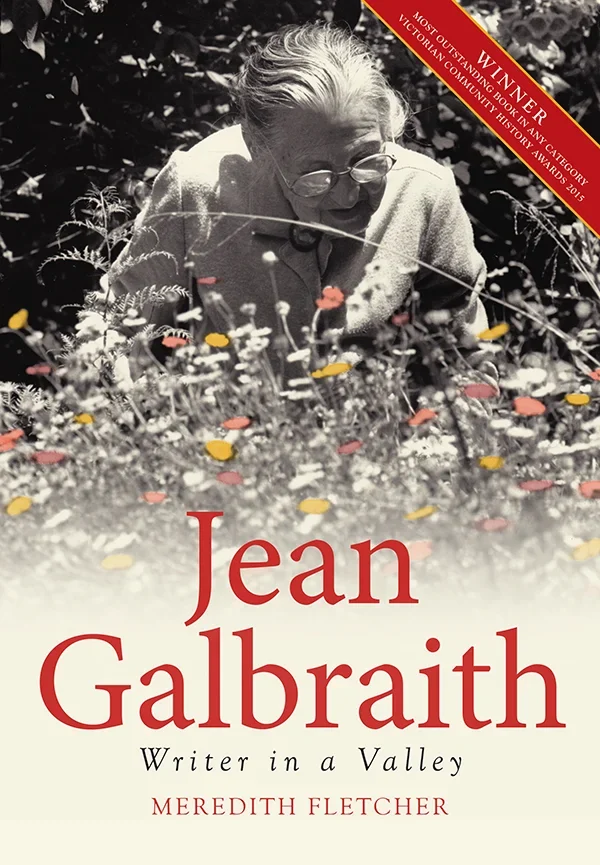
Jean Galbraith: Writer in a Valley
Fletcher's award-winning, archive-based biography traces Jean's life, writing and Gippsland landscape. The paperback is out of stock from the publisher, while the digital edition remains available through Monash's open-access repository.
Read the open-access biographySources
- Jean Galbraith: Writer in a Valley — Meredith Fletcher
- Australian Dictionary of Biography — Jean Galbraith
- State Library Victoria — Becoming ‘Correa’: Jean Galbraith and ‘Australian Native Flowers’
- Latrobe City — Reserves and Walking Trails
- Monash University Publishing — Jean Galbraith: Writer in a Valley