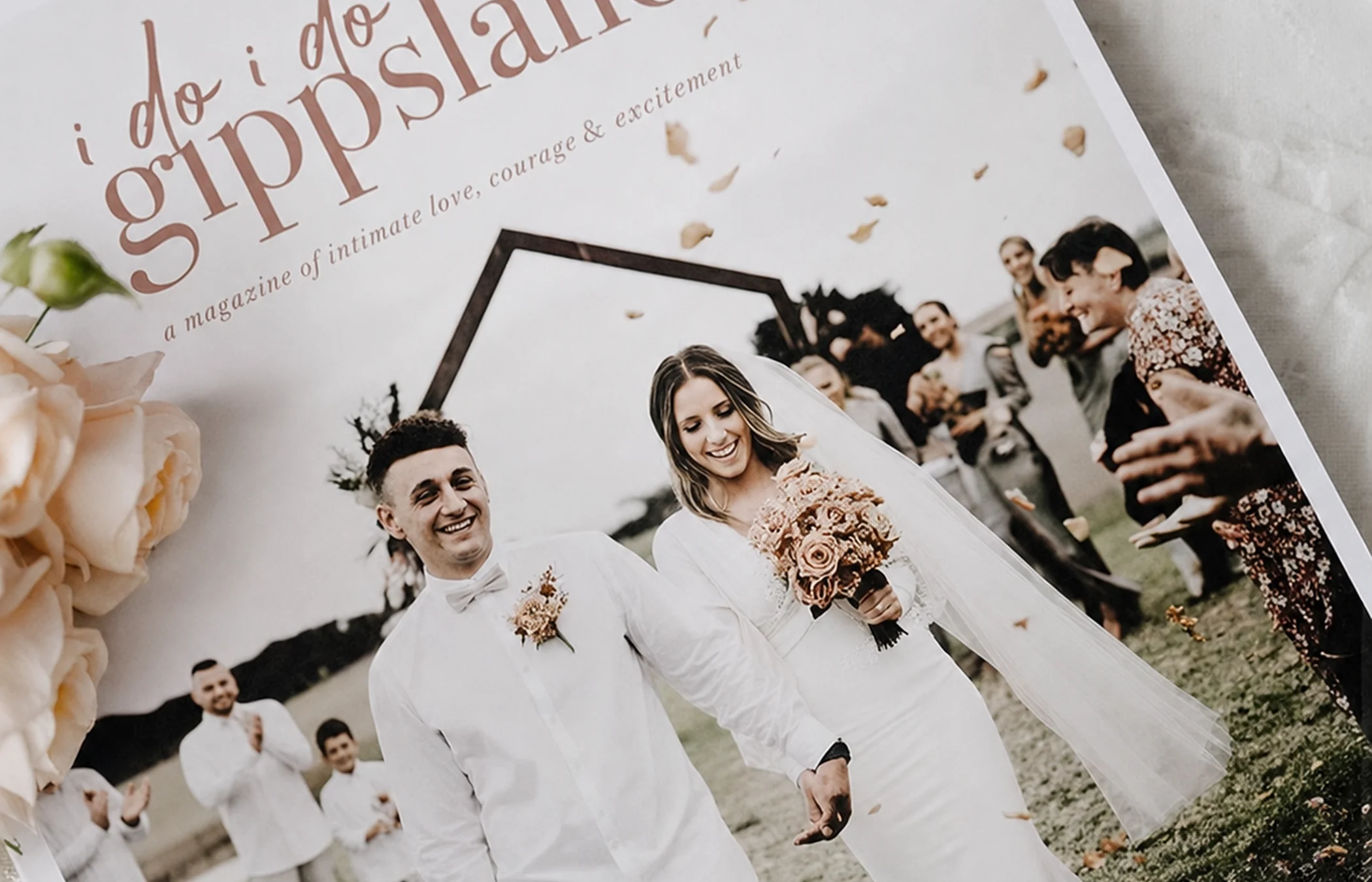
In September 2016, Robyn Bull moved from Bendigo to Traralgon. By October, she had started I Do I Do Gippsland.
The idea took form quickly. Robyn was discovering a region filled with florists, photographers, caterers, stylists, designers, celebrants and venue operators. She was also hearing that couples would travel to Melbourne to find the people who could build their wedding.
The regional skill was already here. It needed to become easier to see.
Robyn's intention was to create an inspiring resource for couples, showing the quality and creativity of Gippsland's wedding businesses and encouraging people to source locally. She also wanted more couples to choose Gippsland as the place where their wedding would happen.
Her purpose was “to bring Gippsland together”.
That purpose began in print. Through I Do I Do Gippsland, Robyn placed real weddings, creative work and regional businesses within the same publication. By 2019, she was preparing the fourth edition and operating I Do I Do as a magazine and wedding fair. Seven numbered editions now trace that growth.
Robyn has since grown the publication into a wider platform. Alongside the magazine, her work brings together an online directory, planning material, editorial inspiration, real wedding stories, vendor features, wedding fairs and industry networking. Fifty-eight listings across her public directory show the many kinds of work that gather around a wedding.
A wedding begins long before the ceremony
A wedding date may occupy one square on a calendar. The work around it stretches across months, businesses and towns.
A couple finds a place and begins to understand how the day might move through it. A florist translates colours, season and personal meaning into flowers that can be held, worn and installed. A stylist considers height, texture, furniture, light and the spaces between objects. Clothing is selected and fitted. Invitations establish the first visual language guests will see. A caterer develops a menu and a service plan. A celebrant works with words. Photographers prepare to follow the day as it unfolds.
Each supplier has an independent craft. Their decisions eventually occupy the same place at the same time.
A regional directory allows a person planning a wedding to move across categories while remaining within the same geographic story. Florists appear beside venues. Hire services lead into styling. Styling leads into stationery, clothing, food, ceremony and photography. The directory offers a starting point from which couples can build their own combination.
Where colour enters the day
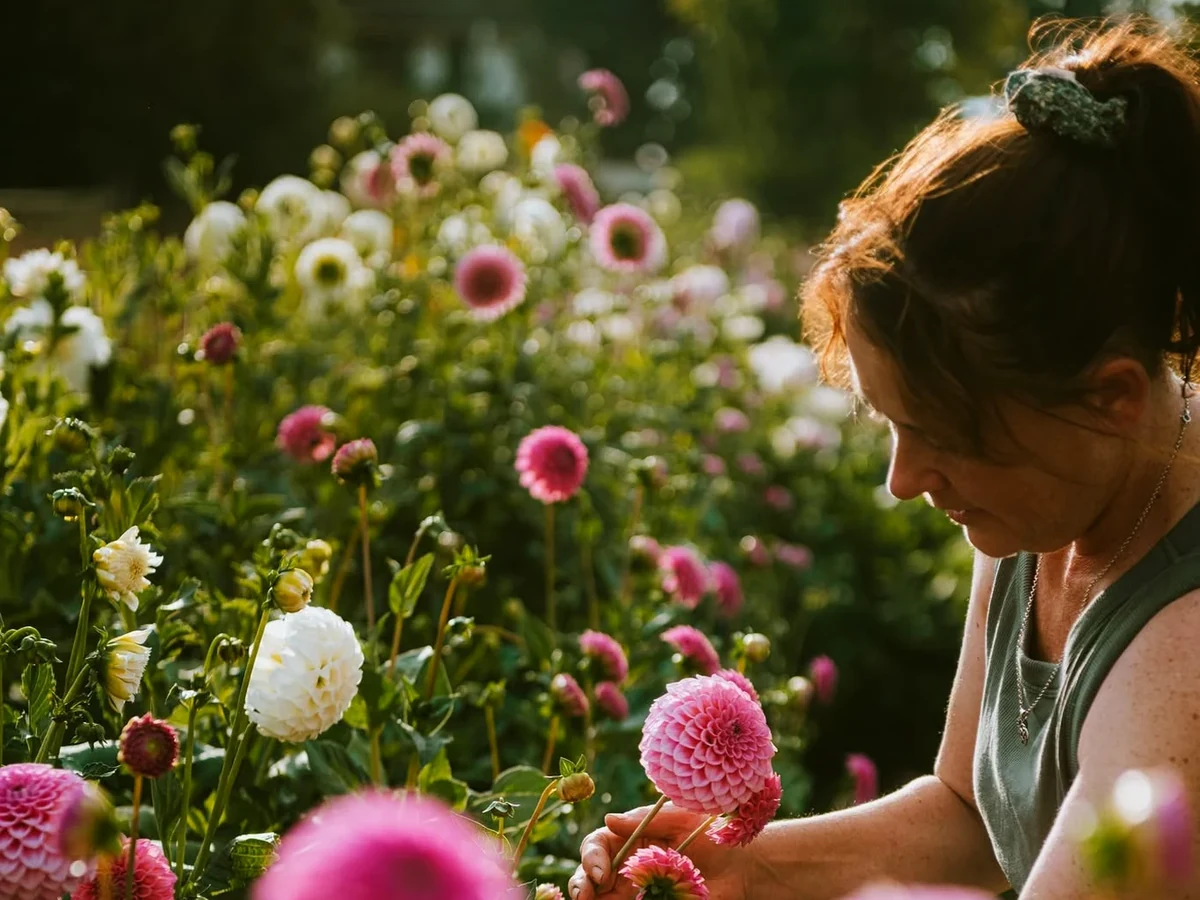
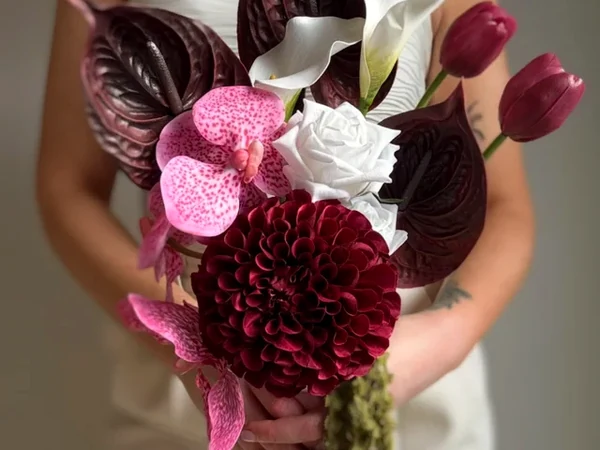
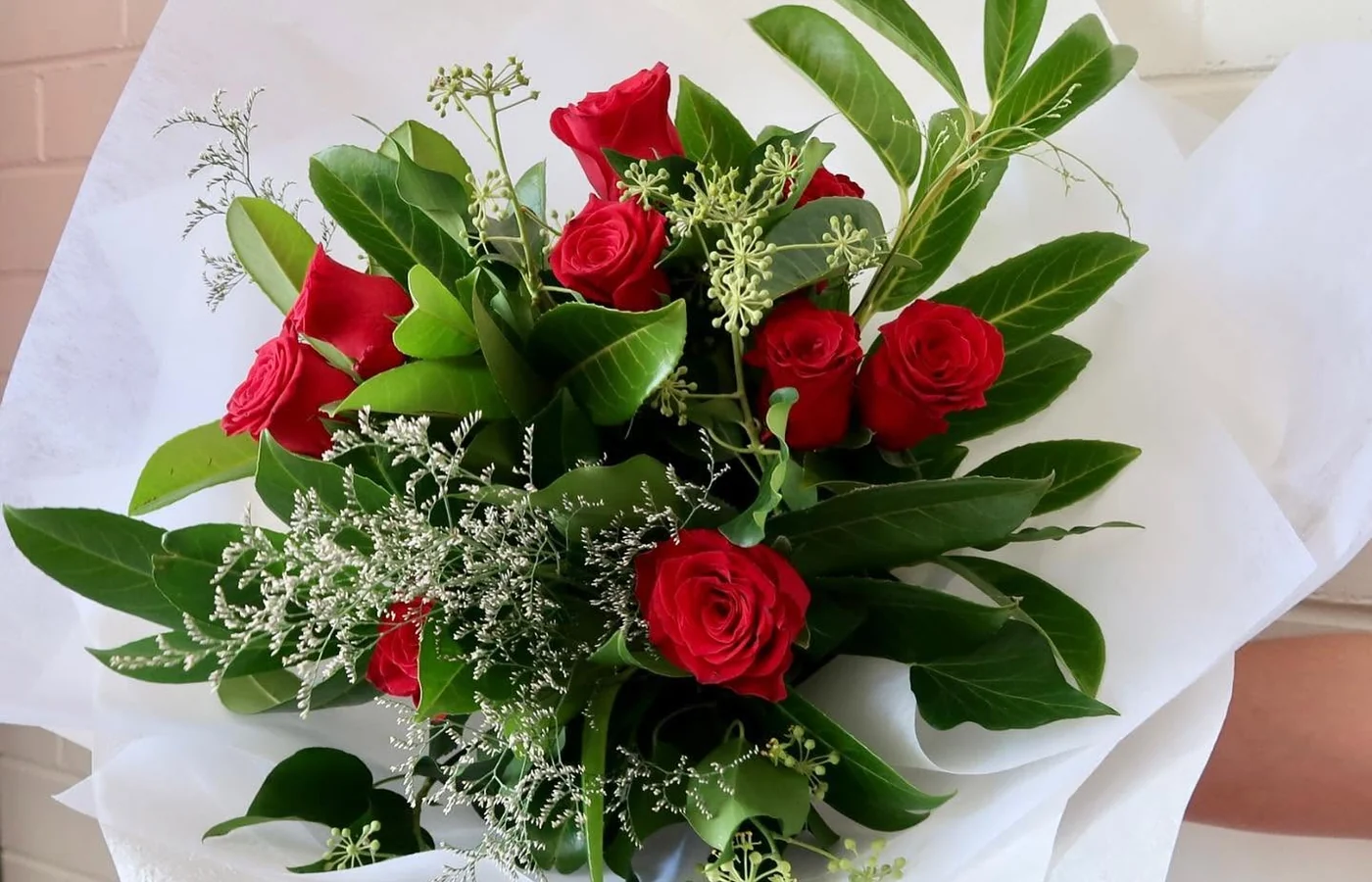
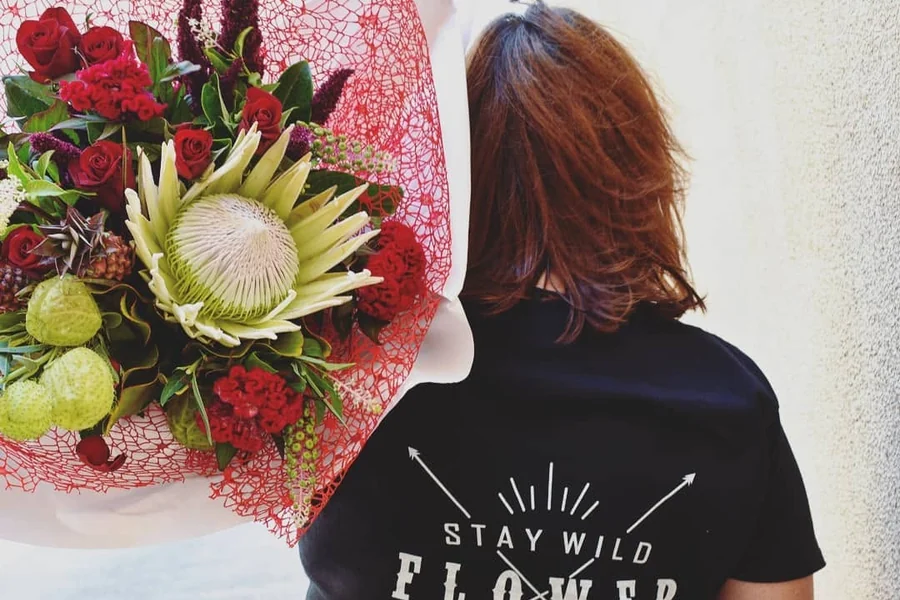
Flowers reveal the network particularly well because they move through so many parts of a wedding. They can begin with a grower and pass through a florist's hands before appearing in bouquets, buttonholes, corsages, ceremony structures, table arrangements and photographs. Their availability is seasonal. Their form has to work at the scale of a hand, a room and sometimes an entire landscape.
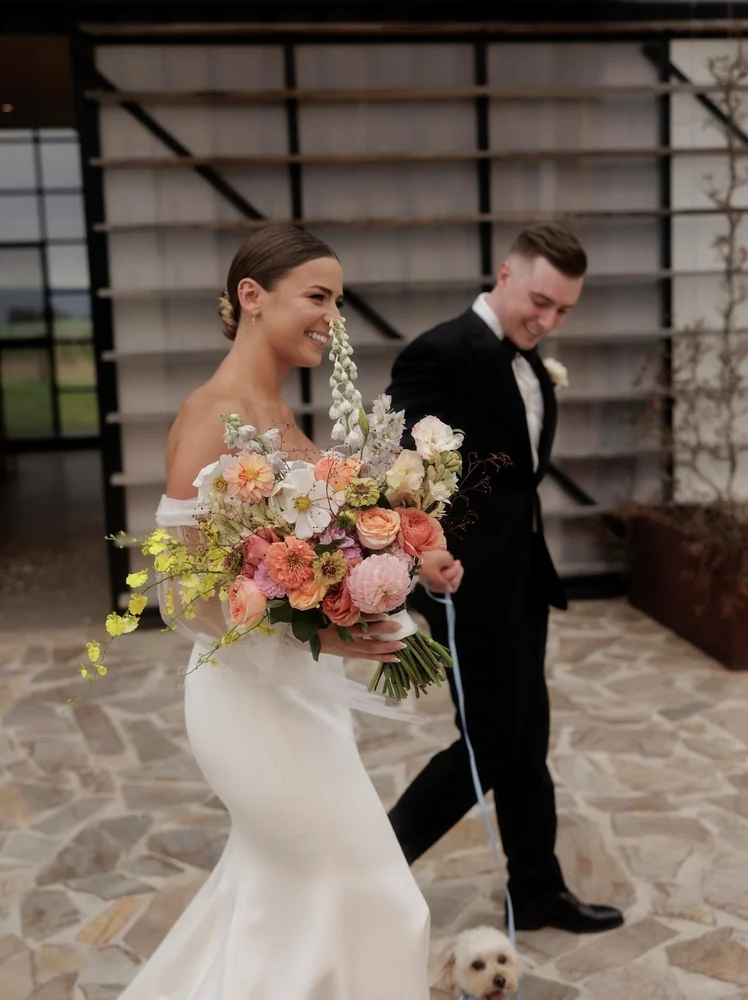
Bloomfield Flowers and Design operates from a private studio and flower farm outside Warragul. Founder Michelle builds wedding and event designs around seasonal material, drawing from flowers grown on the farm, other Gippsland growers and wholesalers in the Yarra Valley. The planning process moves from an initial enquiry and wishlist into an estimate, later consultation and a mood board. Colour palette, flowers and design are resolved together before bouquets are delivered and ceremony or reception pieces are installed.
A couple may begin with a colour or an atmosphere; the florist has to understand what will be growing, what can be sourced and how those materials will behave in every part of the day.
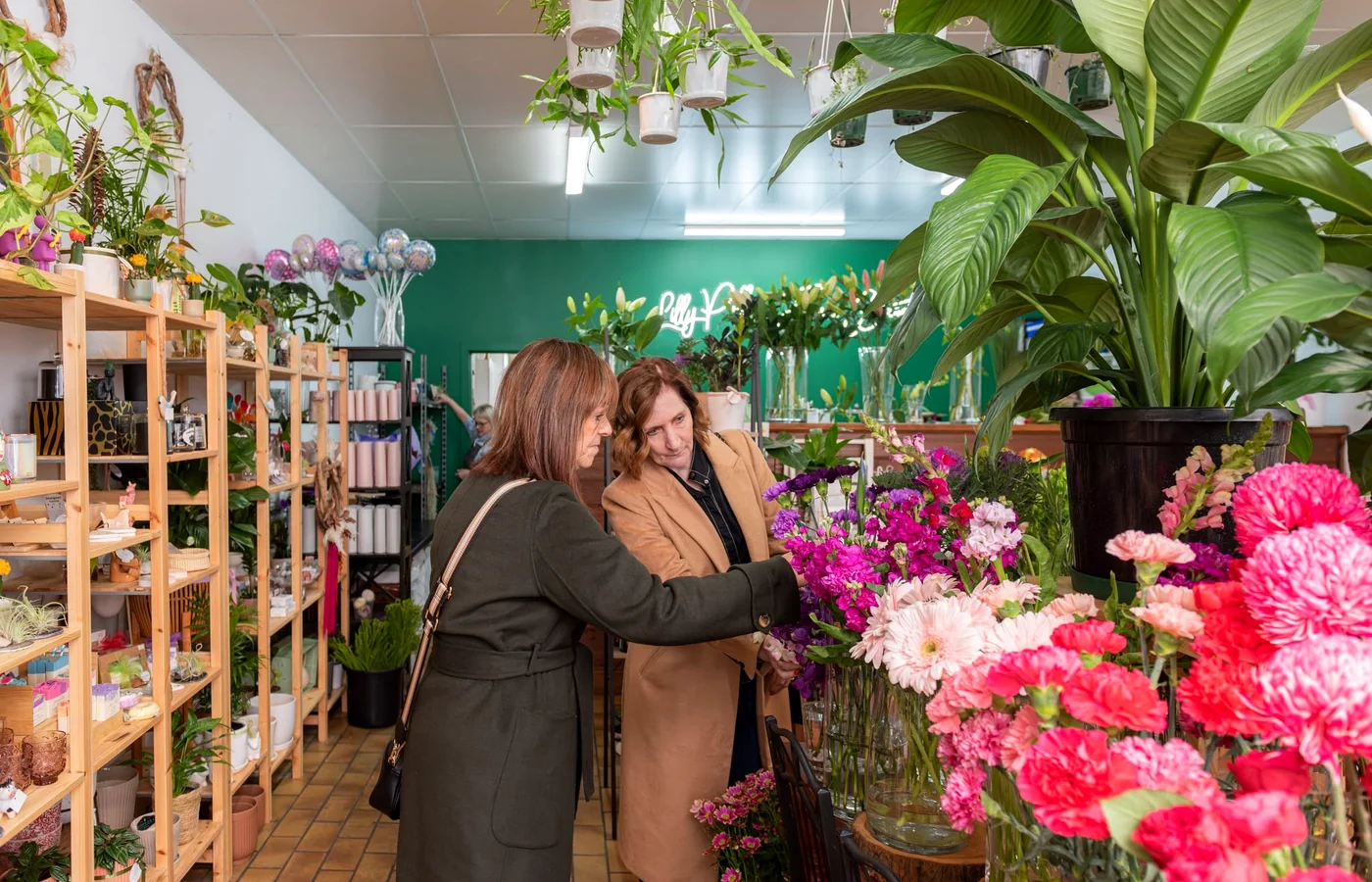
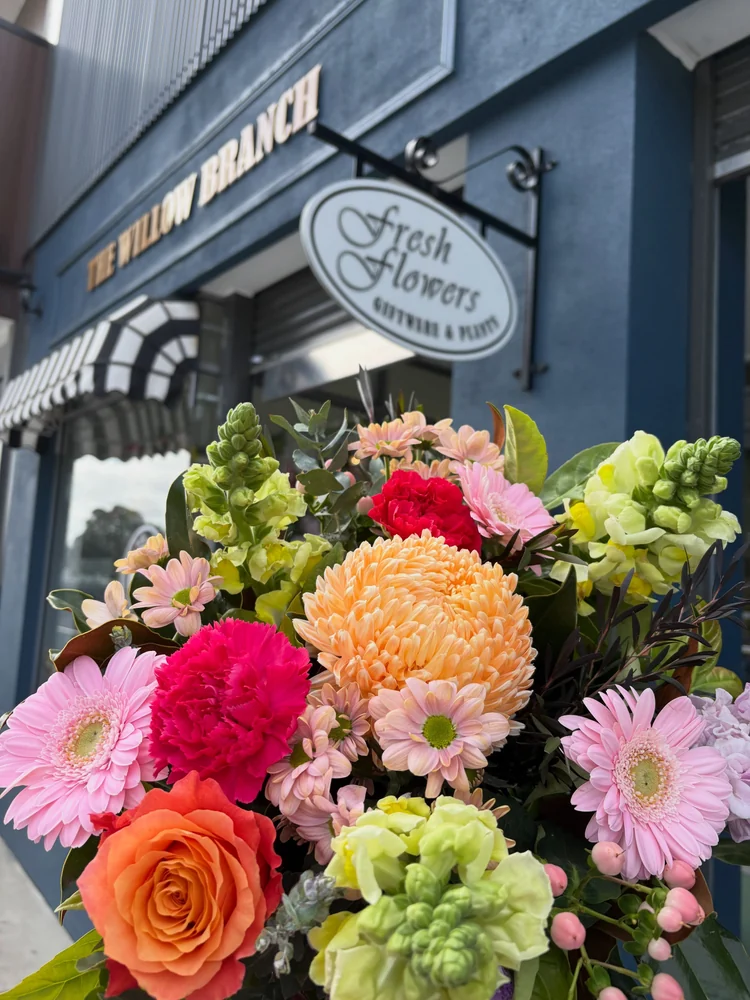
At The Willow Branch in Drouin, the work is led by mother-and-daughter team Sarah and Mim. Their wedding practice extends from bouquets and personal flowers to arbours, ceremony installations, centrepieces and reception styling. The business uses seasonal flowers from local growers, giving a regional supply relationship a visible place in the finished celebration.
Benita Tscharke Floral brings another regional scale to the directory. Based in East Gippsland and working across the wider region, Benita's event floristry uses flowers alongside foliage, herbs, succulents, moss and natural sticks. These materials create line, density and texture as well as colour. Her work has appeared in Gippsland weddings where floral pillars frame a ceremony and where arrangements continue into the reception space, linking the landscape, the season and the objects placed around guests.
CC Wedding Hire sits across floristry, ceremony and hire categories. Its collection includes arbours, chairs, signing tables, aisle pieces and styling elements designed to work with fabric and faux florals. Its presence in the florist category widens the floral story. Botanical form and colour can enter a wedding through fresh and locally grown material, dried or lasting arrangements, or reusable styling pieces that help shape a ceremony space.
Together, these businesses show the full span of wedding floristry: growing, sourcing, colour judgement, construction, transport, installation and the ability to interpret what matters to two people. The result has to belong simultaneously to the couple, the season and the place they have chosen.
In pictures
Wedding florists
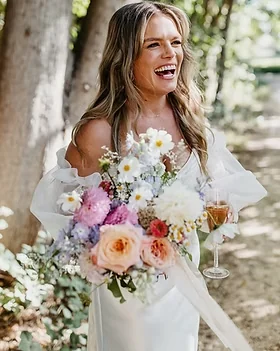
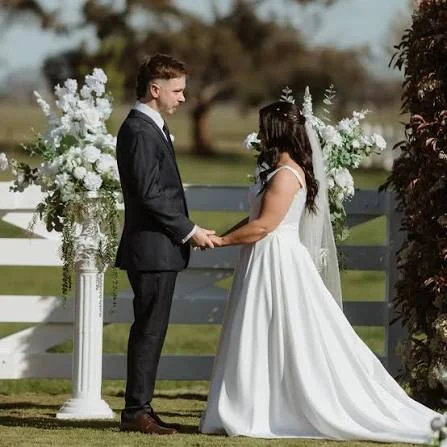
The people beside the flowers
Robyn's work through I Do I Do Gippsland provides a small portrait of the wider network. Across the magazine, directory, stories, wedding fairs and industry gatherings, she brings businesses with different roles into view together. Rivendell Hire, J.L. Watson Photography, Albert & Co Catering, Amante Bridal, and Donna Lee Photography form one such group.
Those names trace several stages of a wedding. Rivendell Hire can carry that language into centrepieces, table settings and other objects within a venue. Amante Bridal in Warragul brings the clothing and fitting process into the story. Albert & Co Catering, established in Lakes Entrance in 2015, brings food, service and East Gippsland produce to tables and gatherings across the region. J.L. Watson Photography and Donna Lee Photography each work with the task of preserving how those separate elements occupied one day together.
Photography is where much of the temporary work becomes a lasting record. Flowers are carried and set down. A table is used. Food is served. Clothing moves with the people wearing it. The photographer works among those changes, recording the choices and relationships that would otherwise exist only in the hours of the event.
Venue and hire businesses add another layer. The Estate of Rivendell Farm at Tambo Upper brings a working farm, historic homestead, gardens, terraces, accommodation and event spaces into the same property. Its hire arm supplies centrepieces, table settings and decorative pieces. Albert & Co Catering works with the venue, showing how a regional wedding can connect land, hospitality, food, styling and accommodation through an established working relationship.
Across the directory, that pattern repeats in different combinations. A country property may bring in a florist from another part of Gippsland. A photographer travels between towns. A celebrant recommends a stylist. A hire provider creates the physical frame within which flowers and words will sit. The network is regional because the work moves.
In pictures
The people beside the flowers
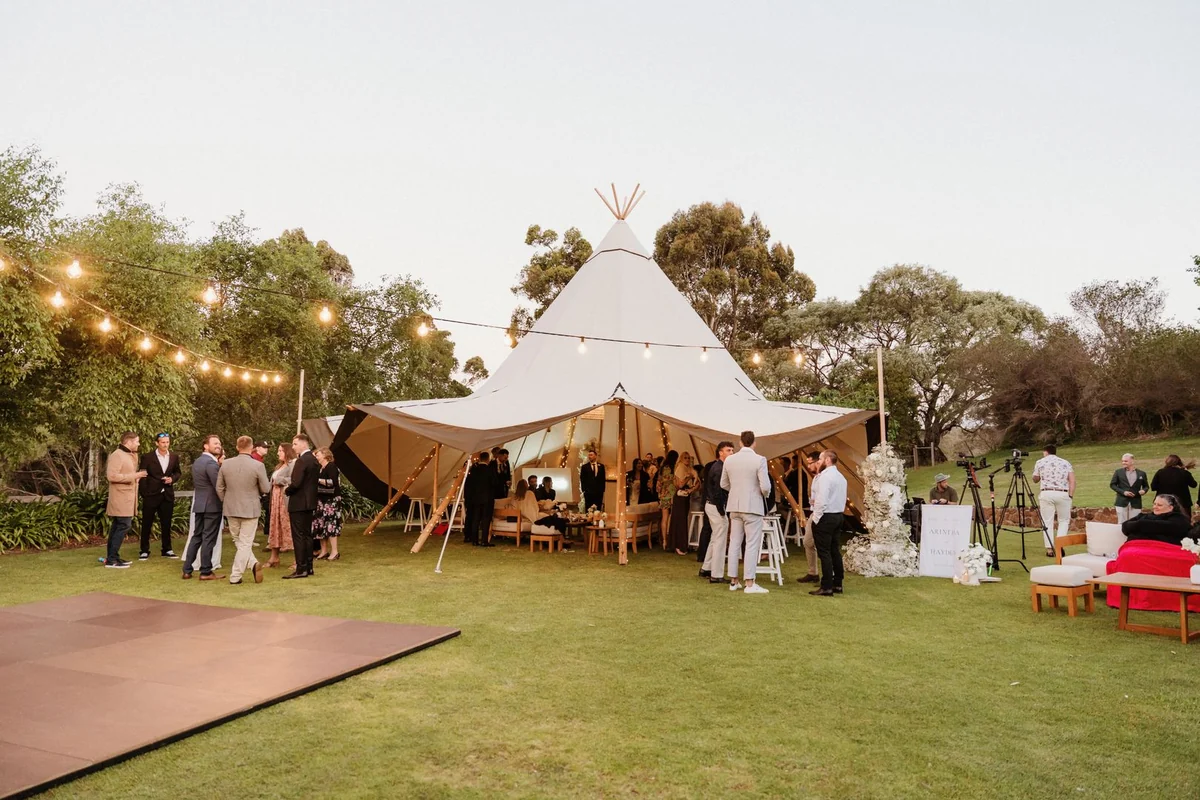
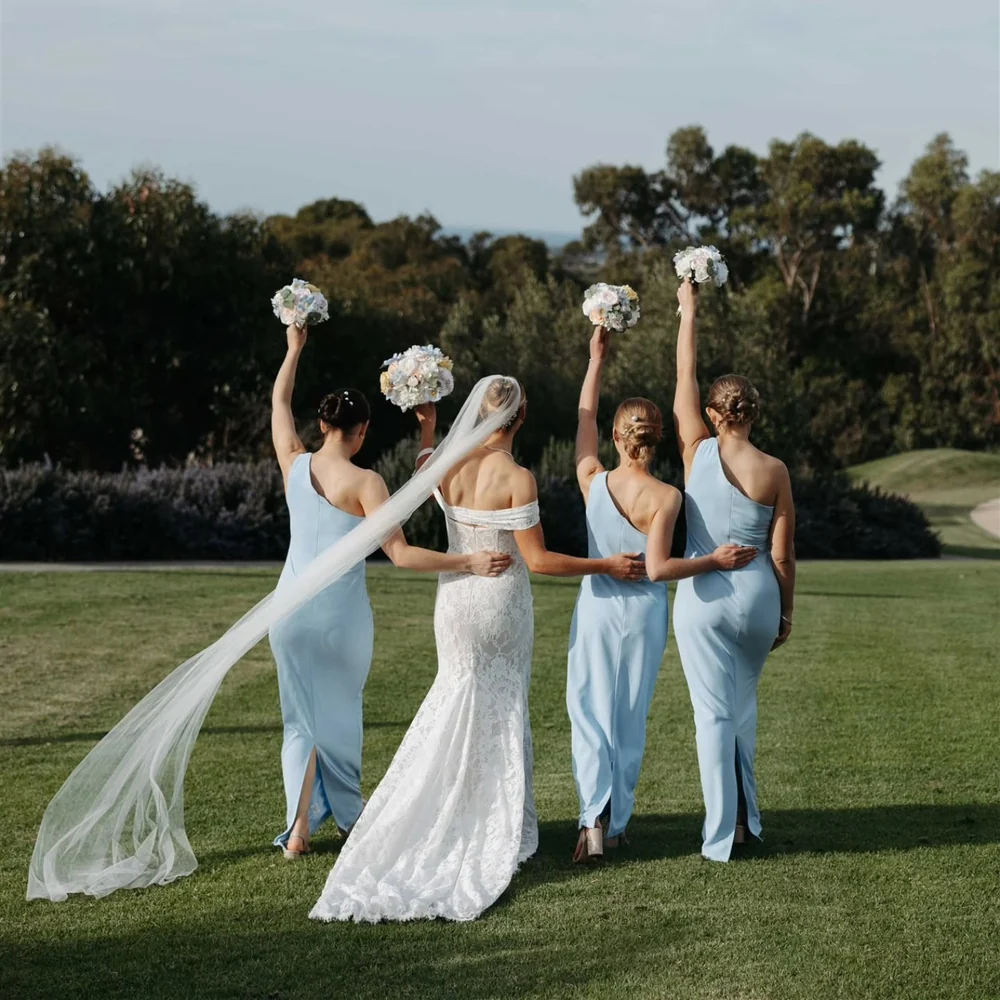

A Gippsland network with a Latrobe beginning
Robyn began I Do I Do in Traralgon, and her present network retains practical Latrobe connections.
Panthers Menswear provides wedding and occasion clothing through its Traralgon store. Try Angles Fashion in Traralgon works across wedding dresses, bridesmaid clothing, formalwear and accessories. Country Care Dry Cleaners brings garment care and alterations into the period before and after a wedding. Boudoir by CS Photography adds a photographic practice centred on the person preparing for or marking an important moment.
These businesses demonstrate the reach of the wedding economy into ordinary town centres. A wedding supports work performed in studios, farms, shops, kitchens, venues and vehicles. It calls on sewing, cleaning, growing, design, administration, transport, hospitality, printing, construction and image-making. The industry becomes visible in the ceremony, while much of its activity takes place well before guests arrive.
Robyn also carries the work into print. I Do I Do's stockist network reaches Churchill, Moe, Morwell, Newborough and Traralgon. A printed copy can be carried home, shared across a table and marked with possibilities.
At an August 2026 industry meet-up at Mantra Traralgon, Robyn placed supplier-to-supplier connection at the centre of the program. The schedule used a simple format: five minutes for each introduction, followed by time for longer conversation. Florists, photographers, venues, celebrants, caterers and other businesses were invited to explain what they do directly to people whose work might one day meet theirs.
That face-to-face element matters in a large region. A directory helps a couple find a name. A conversation helps one supplier understand another's materials, working methods, service area and way of approaching a day. Those connections can support future referrals and collaborations while each business retains its own identity.
Robyn's next expansion returns to Lardner Park near Warragul. Two Let's Get Married Wedding Fairs in April and August 2027 bring 60 vendor places across 38 categories. The program also brings suppliers and couples together through workshops on subjects such as styling, vows, dance, hair, makeup and planning.
The fair turns a list into a room. Couples can compare forms of work, ask questions and begin to understand which combination feels right for them. Suppliers can see how their own contribution sits within a much larger day.
In pictures
Latrobe connections


Power of Colour through many hands
Power of Colour grows from Latrobe's continuing relationship with gardens, flowers, creativity and community life. The wedding industry gives that relationship another public expression.
Colour begins with material decisions. A grower chooses what to cultivate. A florist works with season and supply. A designer develops a palette. A dress or suit introduces fabric, structure and movement. Stationery carries the palette into people's homes before the wedding. A venue changes it through landscape, architecture and light. A caterer brings colour to the table. A photographer records how all of it came together.
Each supplier carries one part of that visual story.
Through I Do I Do, Robyn makes a regional network visible. Power of Colour invites people to notice the work through which colour, growing, making and place become part of life in Latrobe and the surrounding region.
For couples, Gippsland offers the possibility of building a wedding from people who understand its towns, seasons, distances and landscapes. That could mean a private studio outside Warragul, a Drouin florist connected with local growers, an East Gippsland farm venue, a Traralgon clothing business, a Lakes Entrance caterer and a photographer accustomed to moving across the region. Another couple will create a completely different combination.
The opportunity is the freedom to begin here.
A wedding gathers people around a promise. Before that gathering can happen, many other promises have already been made: a date held, flowers sourced, clothes prepared, food planned, objects delivered and moments entrusted to a camera.
Colour travels through all of those hands. Through I Do I Do Gippsland, Robyn helps the people behind them become visible, first to one another and then to the couples who are ready to imagine their day in this region.
Power of Colour
Power of Colour Awards
Robyn's work through I Do I Do Gippsland shows how colour, growing, making and place move through the many hands behind a wedding. The Power of Colour Awards celebrate that wider regional relationship.
Explore the Power of Colour Awards