 Eden of the East
At the back of a cupboard sits a mug nobody uses.
Its chipped rim and faded pattern have become part of it. Plenty of newer mugs can hold the same coffee. This one carries the touch of somebody who mattered, and that has changed its value completely.
Elsewhere, an old plan still occupies space in the calendar. A message remains pinned long after the conversation ended. A role, relationship or ambition has become part of the way a person explains who they are.
We gather these things slowly. Then life changes, and they begin asking for an answer.
The next part of life takes its shape from what receives our space, time and attention. Some things carry meaning forward. Others keep their place because they have already occupied so much of the journey. Recognising the difference changes what becomes possible next.
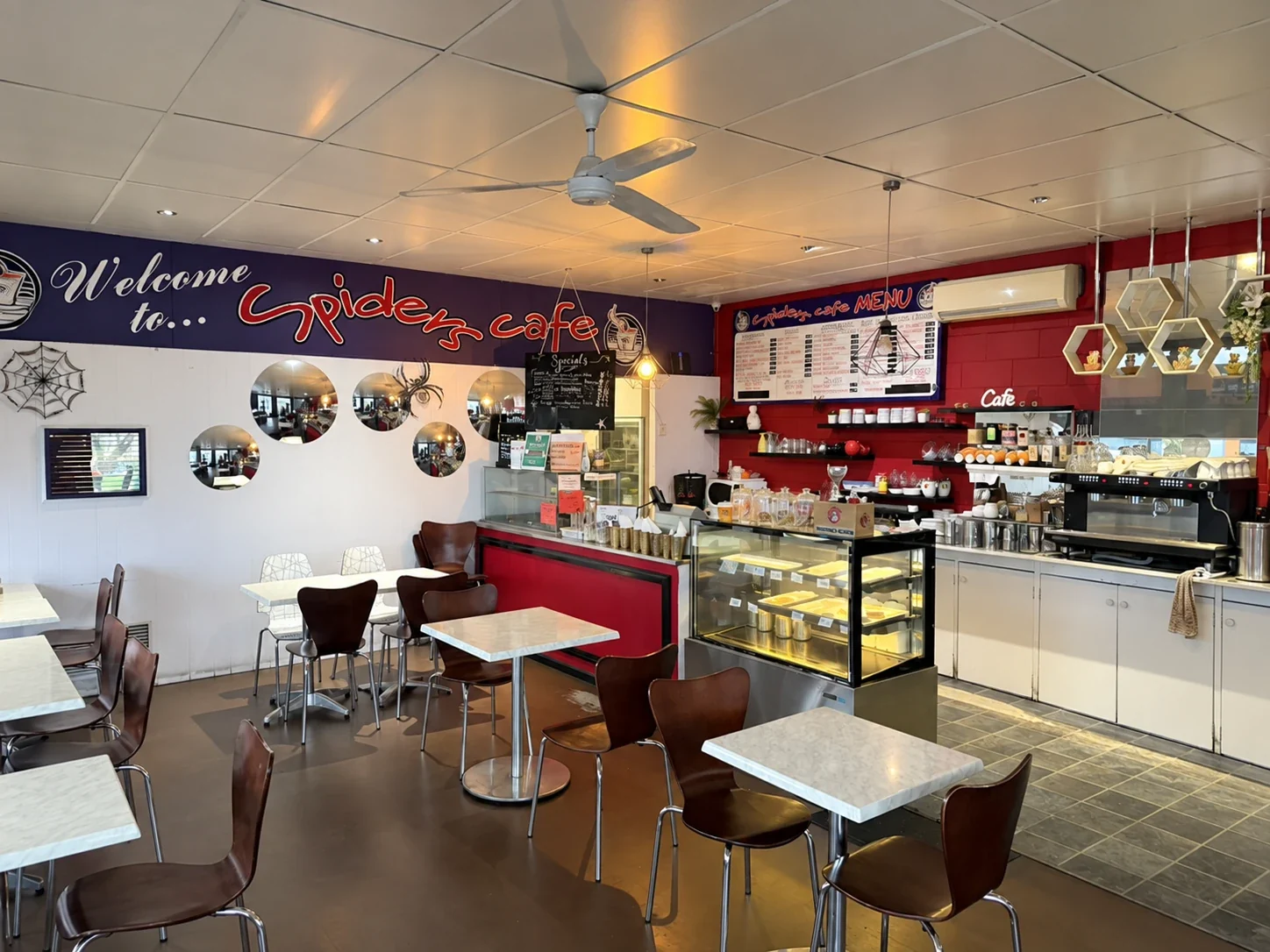
First Light Episode 67 brings that question to Spiders Cafe in Moe. A cafe gives the question an everyday scale. Cups are lifted, set down, washed and returned. People arrive carrying the unfinished parts of a day and eventually rise to continue it. A table holds what has been brought to it for a little while.
The inherited mug at the centre of one Episode 67 story holds much more than a drink. Its human value has moved far beyond its ordinary price.
Experiments led by George Newman, Gil Diesendruck and Paul Bloom showed how strongly an object's contact with a previous owner can influence its value. Their studies concerned possessions associated with famous and notorious people. The underlying intuition is widely recognisable: contact can feel as though it leaves something of a person behind.
That intuition gives a family keepsake its emotional gravity. The object becomes a meeting place between memory and touch. Using it brings the person closer to an ordinary morning. Protecting it keeps the physical link safe. Passing it on allows its meaning to enter another life.
Each choice preserves something different.
This is why a decision about one mug can feel larger than the mug itself. The real question concerns the relationship it carries. Keeping the object can honour that relationship. Using it can return the relationship to daily life. Releasing it can reveal all the other places where the bond already lives.
Grief researchers use the term continuing bonds for the ways a relationship with someone who has died can remain part of a person's life. Memory can continue through stories, habits, values, skills and choices. The connection changes form while retaining meaning.
Pixar's Up gives that movement a house. Carl Fredricksen carries the home he built with Ellie into the sky, treating its physical survival as part of his promise to her. The story eventually allows the house to leave him. Ellie remains within the life he continues.
The film's emotional force comes from that distinction. The object matters. The bond matters more. Carl carries the purpose forward after its original form has gone.
Objects are only one place where the past asks for another claim on the future.
A long commitment carries years of work, money, hope and identity. Saying “I no longer want this” can make every earlier choice feel as though it is being judged. Another year can seem easier than declaring the previous years complete.
Hal Arkes and Catherine Blumer called this pull the sunk-cost effect90049-4). Their research found that previous investments of money, effort or time increased people's tendency to continue an endeavour. Avoiding the appearance of waste helped drive that continuation.
Past investment explains the weight of the choice. Present value shows what continuation can still create.
A relationship, role or project can deserve another year because it still holds love, responsibility, purpose or promise. It can also continue because ending it would force an honest encounter with what has already been spent. Those reasons can feel similar from inside the decision. Their destinations are different.
The calendar reveals the cost. Every old commitment draws from the same finite week as the next possibility. Every identity held in place determines which new version of a life receives room to emerge.
When life feels crowded, addition often arrives first. Another app. Another system. Another rule for managing all the rules already there.
Across eight experiments, researchers found that people systematically overlooked useful subtractive changes. Adding came to mind more readily, particularly when people had fewer opportunities to reconsider or were carrying a heavier mental load.
Subtraction asks a different question: which demand has completed its work? Removing one demand returns time, attention and choice to everything that remains.
The space becomes capacity.
That capacity can hold a conversation given proper attention. It can hold work that deserves care. It can hold rest, curiosity, a different method or the first movement towards a life that fits the person living it now.
Keeping and releasing become parts of the same act: choosing what receives a future.
The honest choice can be to keep the mug safe. It can be to use it tomorrow morning. It can be to pass it to someone who remembers the same hands. It can be to let the object go and carry the story in another form.
The same freedom applies to a plan, a role, a relationship and an earlier version of ourselves. Meaning can continue. Purpose can change form. Time and attention can move towards what remains alive.
Episode 67 begins that conversation at Spiders Cafe in Moe. The setting returns the question to ordinary life: something is placed before us, something is taken with us, and something remains after we leave.
The next part is already taking shape. What receives our space, time and attention will help decide what it becomes.
First Light opens the conversation at Spiders Cafe. The rest belongs to the person who carries it home.
First Light
First Light — What We Keep, What We Let Go | Spiders Cafe, Moe
If the video does not load, watch it on YouTube.
Sources
The research supports the story's practical ideas. Current visitor details remain with the paired Spiders Cafe profile.