
The life you wanted at twenty can still be making decisions for you at fifty.
A career. A home. A version of success. The picture can become so familiar that it keeps setting the standard for a life that has continued to change.
Some ambitions grow more meaningful with experience. Others carry the expectations of a family, a workplace or someone we used to be. Keeping a dream can express commitment, loyalty and a deep understanding of what matters. Changing it can carry consequences for those same things.
How do you decide which parts of the life you imagined still belong in the life you want to live?
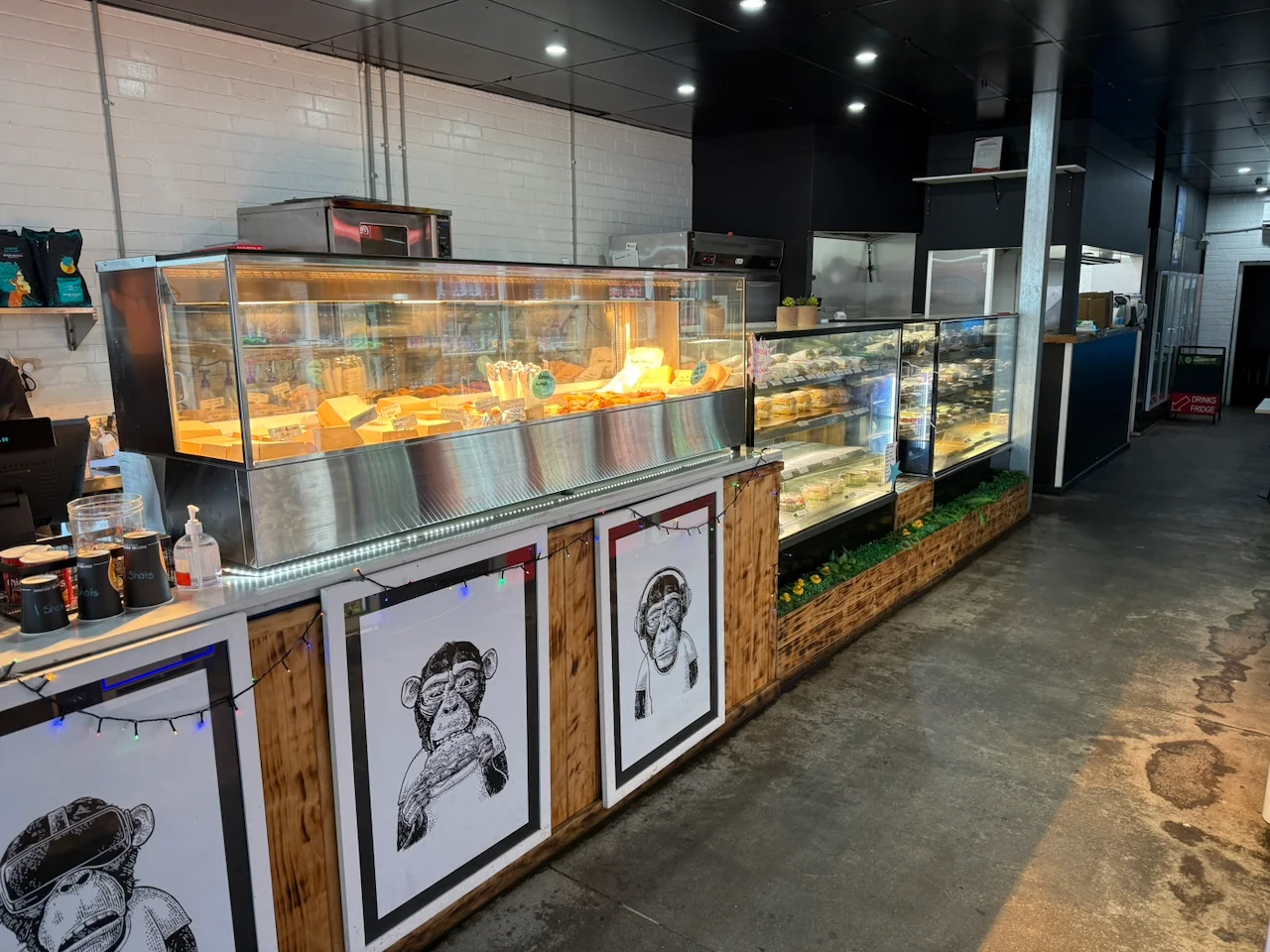
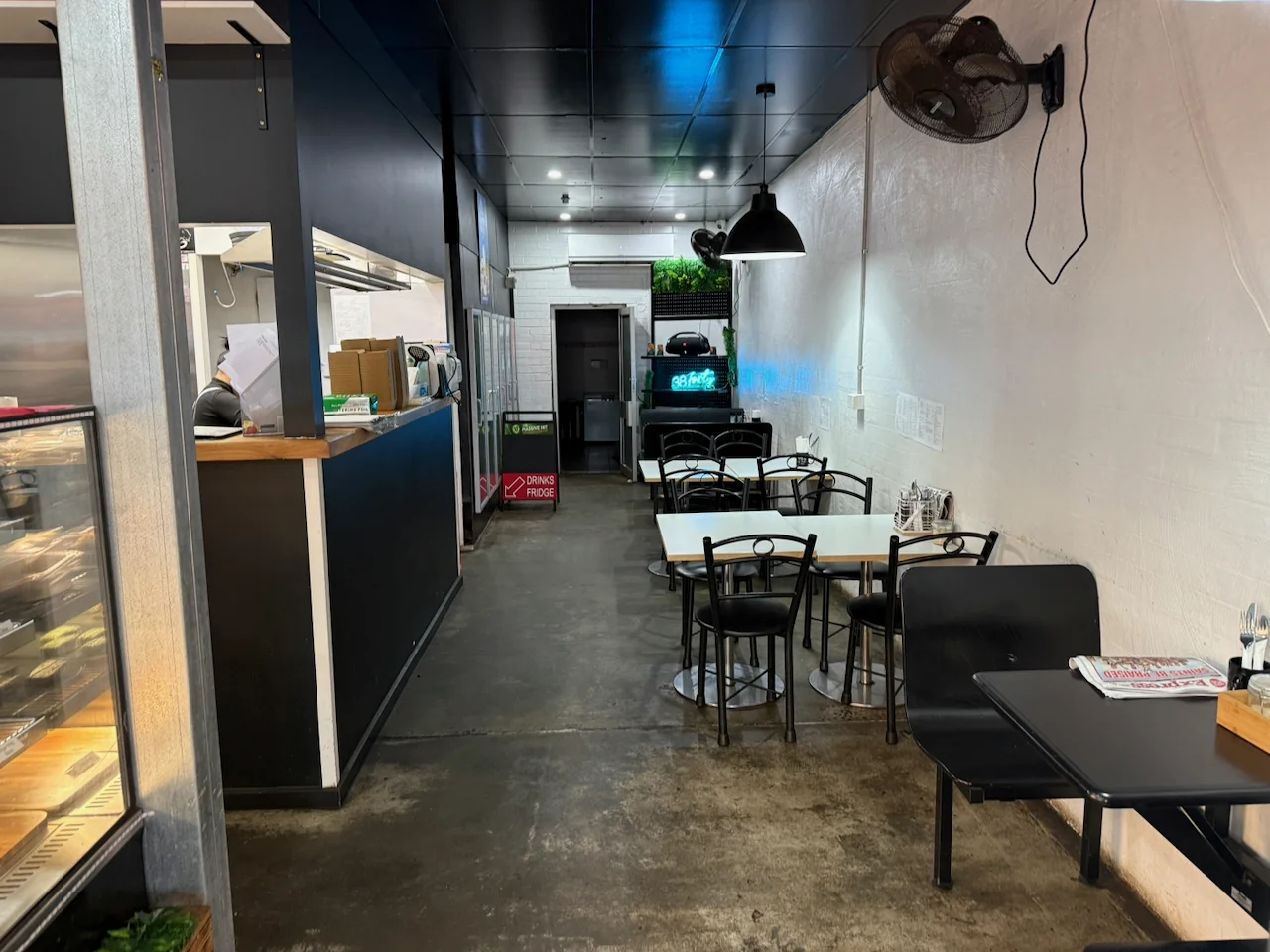
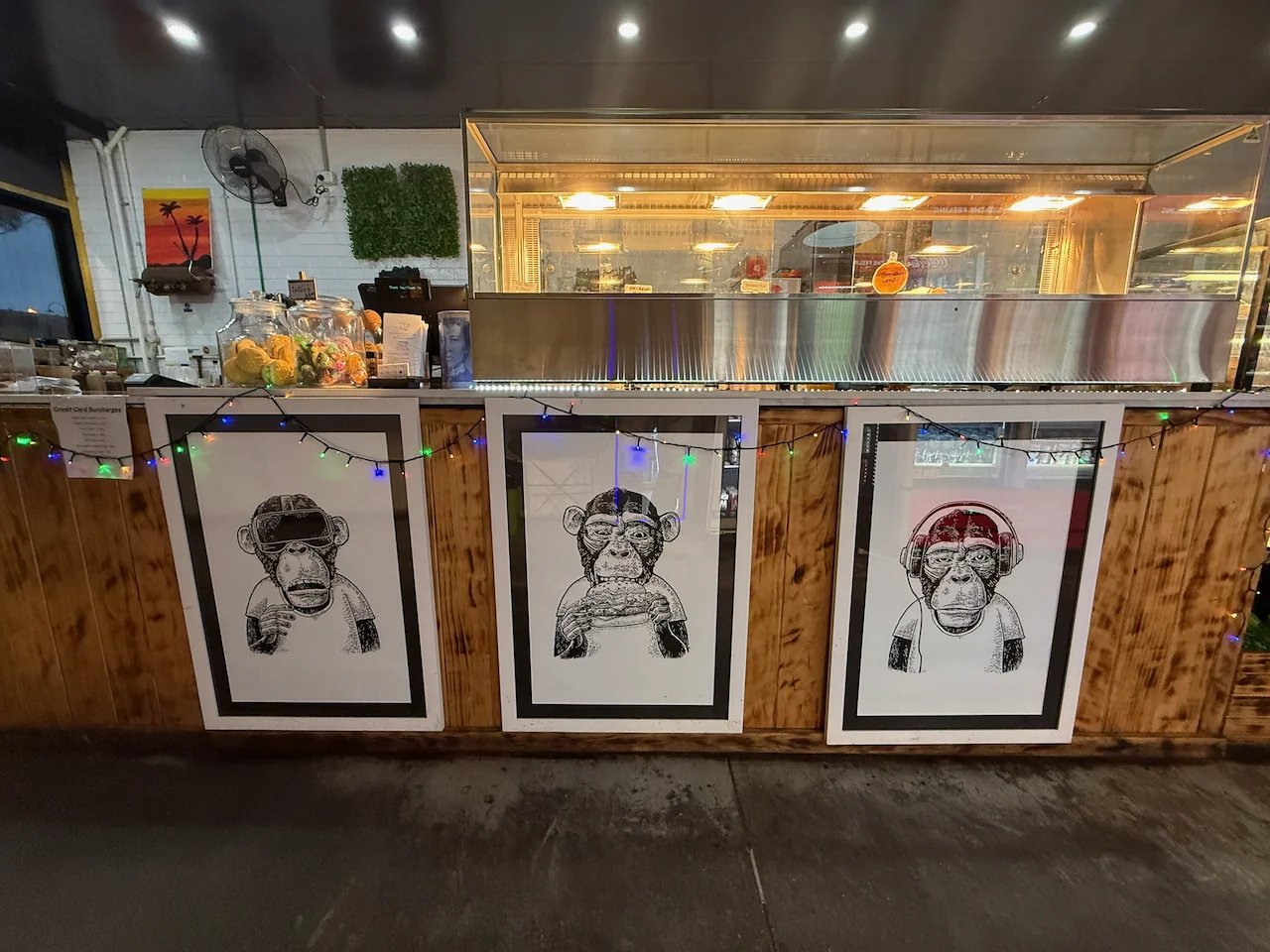
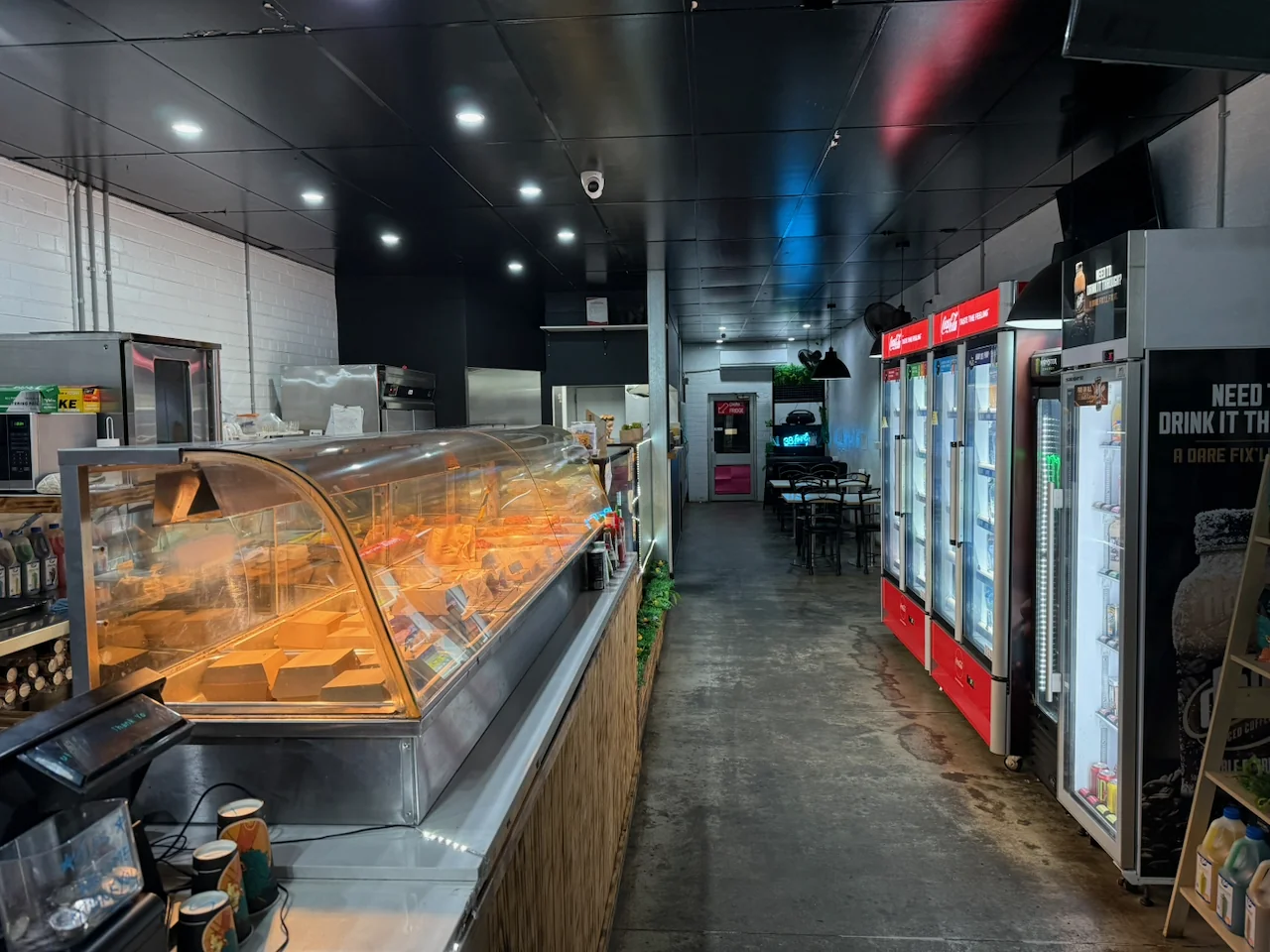
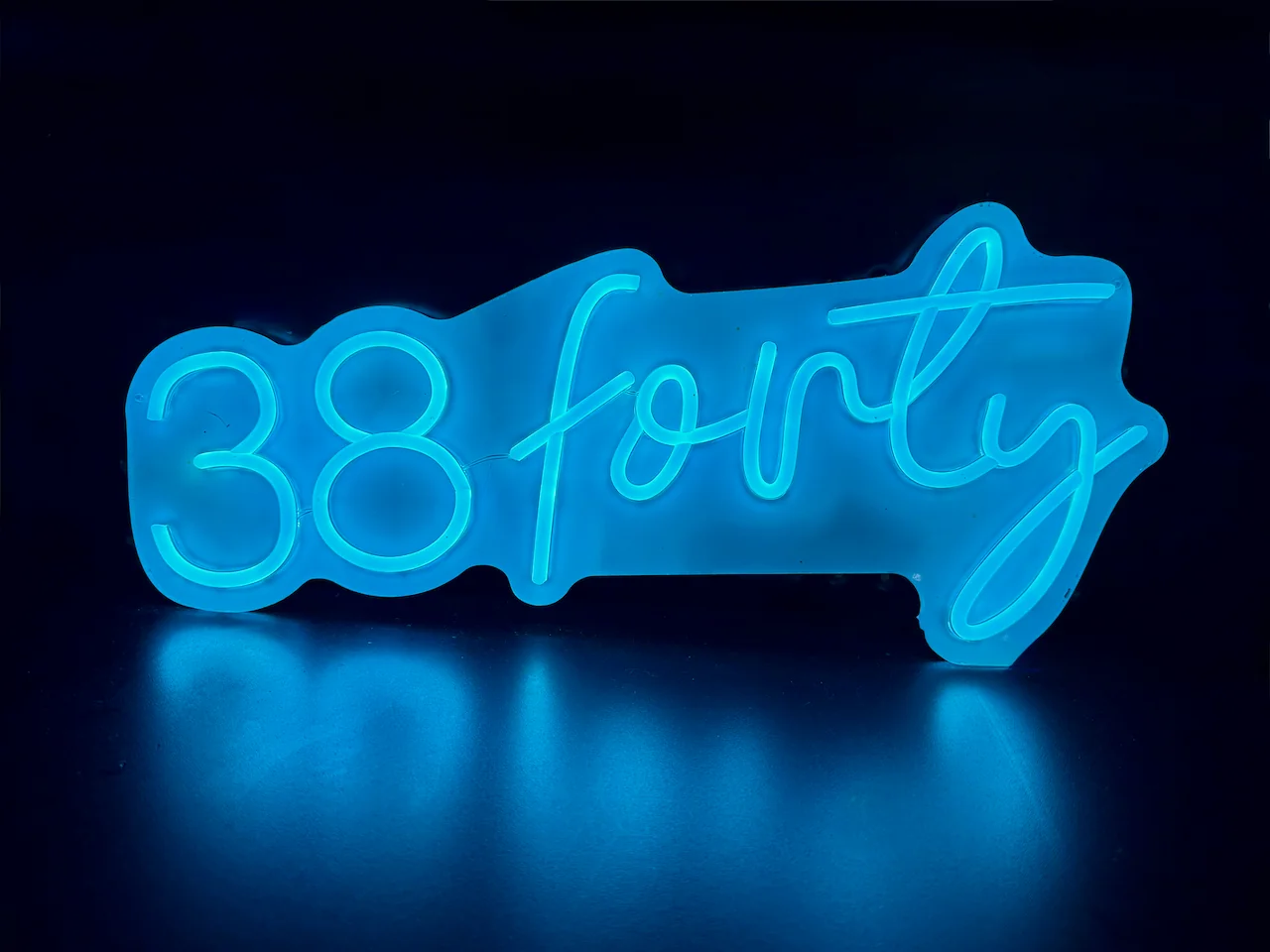
That question runs through The Life We Imagine, the First Light conversation with Damian Andrews and Noel Blundell filmed at 38Forty Cafe in Morwell, opposite the railway station. It reaches into the plans we inherit, the people whose belief matters to us and the experiences that change what we want.
A future takes shape long before we have the experience to choose it. Work will look like this. Love will feel like that. Success will be recognisable when other people can see it. Certainty will arrive before the first important step.
Psychologists Hazel Markus and Paula Nurius called these pictures “possible selves”: ideas of who we might become, who we would like to become and who we fear becoming. They give the future a personal form. A possible self can direct attention, organise effort and connect today's choice with tomorrow's identity.
It can also carry the expectations of a family, a workplace, a community or an earlier version of ourselves. The future then arrives with an audience already inside it.
This is one reason a dream can feel both intimate and inherited. The person imagining it may be choosing freely, continuing a valued tradition, seeking belonging or carrying a standard they have never examined. Several of those things can be true at once.
Imagination gives a future colour. Action gives it evidence.
Research by Heather Kappes and Gabriele Oettingen found that idealised fantasies could be followed by lower energisation in the experimental situations they studied. The result distinguishes between enjoying the completed future in the mind and meeting the unfinished work that could bring part of it into life.
A vivid dream can offer direction. It can also provide some of the emotional reward before the first difficult movement has begun. Reality eventually asks the dream to encounter time, skill, opportunity, other people and the limits of the day.
Inside 38Forty Cafe
That encounter can clarify what the dream was really carrying.
An achievement may represent freedom, security, recognition, contribution or proof that somebody's faith was justified. Research into financial-success aspirations has found associations between the relative importance of those goals and measures of wellbeing. The evidence invites a more precise question: which human need has been placed inside the visible sign of success?
The answer changes the future being pursued. Security asks for one kind of life. Status asks for another. Craft, care, independence and belonging each organise time differently.
Other people can help an imagined future become more real. In research on how couples respond when something goes well, active and constructive responses to good news were associated with stronger relational outcomes. A possibility can gain substance when another person receives it with attention, curiosity and care.
A dismissive room can make an idea shrink before it has been tested. A thoughtful response gives the person enough room to hear their own idea more clearly and decide whether the plan deserves a next step.
That room matters because many futures can only be understood through movement.
Studies of exploration show that people adjust the way they gather information when they expect more opportunities to choose. Everyday life carries higher stakes and fewer controlled conditions than a laboratory task, yet the central distinction remains useful. Thinking works with the information already available. A bounded experiment can create information that thinking alone cannot supply.
The first class reveals whether the practice itself holds attention. One honest conversation changes what is known about a relationship. A short visit gives a place texture, distance and feeling. A small piece of work produces something real enough to assess.
Practice adds another kind of evidence. Albert Bandura's work on self-efficacy described how experience can shape a person's belief in their capacity to act. Repeated imperfect action can make a future identity more believable because the person has begun collecting proof from their own behaviour.
Practice never guarantees mastery or removes structural limits. It allows the imagined self and the living person to meet. Each attempt can confirm the direction, change the method or reveal that another future deserves attention.
Time keeps participating in that decision.
Socioemotional selectivity theory proposes that perceived time horizons help shape which goals come forward. A broad horizon can support exploration and future-oriented learning. A horizon that feels shorter can bring emotionally meaningful relationships and present experience closer to the centre.
Age can influence that horizon. So can illness, loss, a deadline, a move, a retirement, a birth or the sudden recognition that an old plan has occupied enough years. The future changes when time is felt differently.
This gives unfinished conversations their weight. Speaking can open a future. Silence can protect safety, privacy or a boundary. Reconciliation can be meaningful, impossible, unwanted or too late. The life ahead is shaped by the conversations that happen and by the boundaries kept around those that remain unfinished.
An imagined life can still guide attention and effort. Its meaning can survive even when its original form changes. The old picture may contain a value worth keeping, a promise worth renewing or an expectation ready to be released.
The future remains unfinished for a reason. Living keeps adding information. People arrive. Skills grow. Priorities move. A different conversation becomes possible.
The life ahead remains yours to meet, test, keep and revise.
First Light
First Light — The Life We Imagine | 38Forty Cafe, Morwell
The future we imagine can carry family expectations, private ambitions and ideas of success we have never questioned. First Light explores how relationships, practice and experience keep reshaping the life ahead.
If the video does not load, watch it on YouTube.