
You know the moment: your energy has faded, the day still asks something of you, and then you find enough to continue. We call it a second wind. That familiar surge matters because it can mean several very different things. Understanding what has actually returned can change how we interpret a hard day, a stalled ambition or the need to begin again.
Anna Mary Robertson Moses found one way to continue. Her hands already knew how to make pictures. For years, embroidery had given her a way to turn remembered rural life into an image. Arthritis ended that work with needle and thread. At 77, she began painting seriously.
Paint gave the observing and making another method. In the late 1930s, a collector saw her paintings in a local pharmacy window. They travelled from there into exhibitions and a long public life. Moses made more than 1,500 images and lived to 101.
The numbers give her story scale. The movement within it gives the story its hold: an old purpose continued in a new form. Her story gives the phrase one possible shape—continuity carried by a change in method.
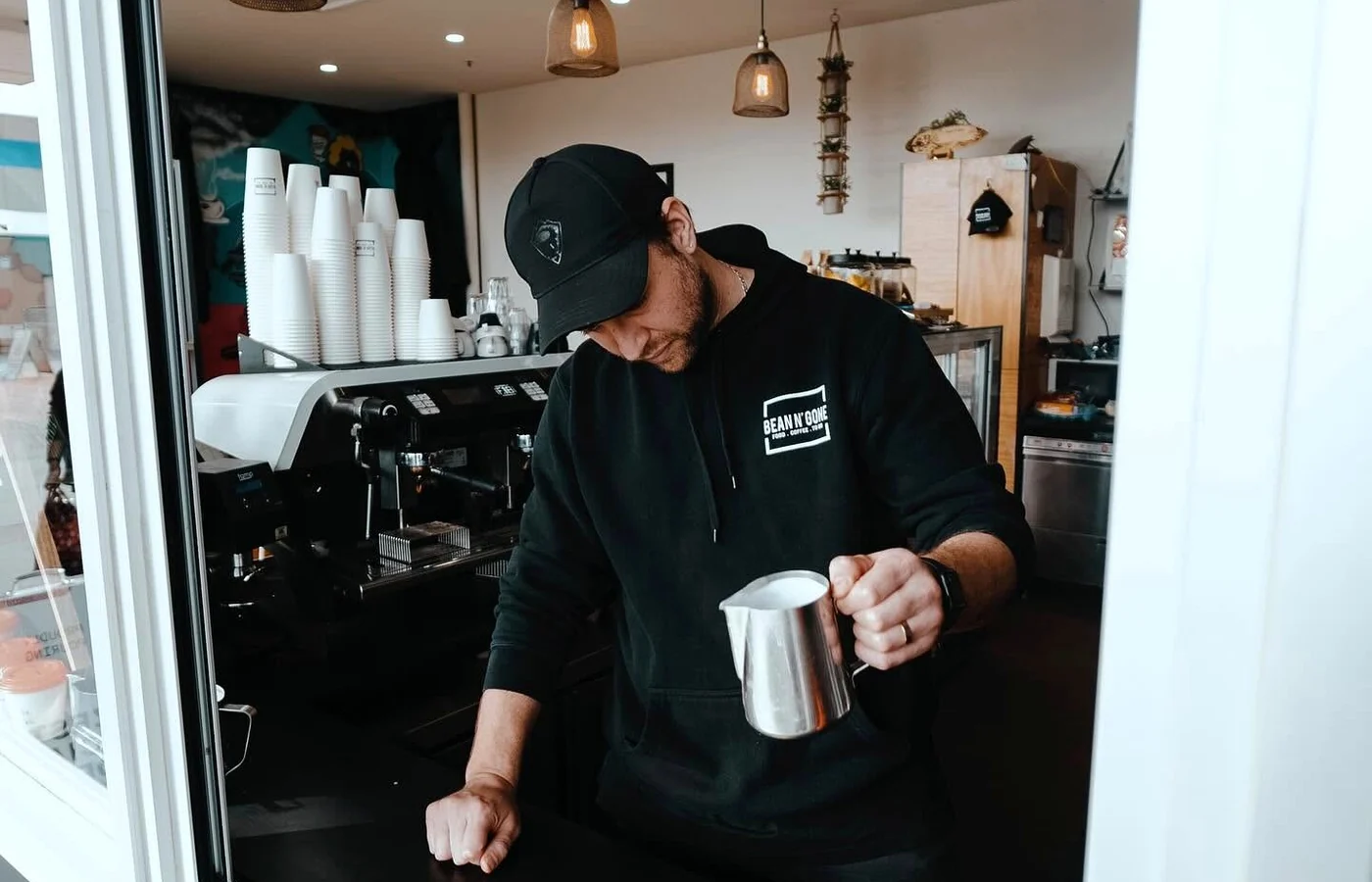
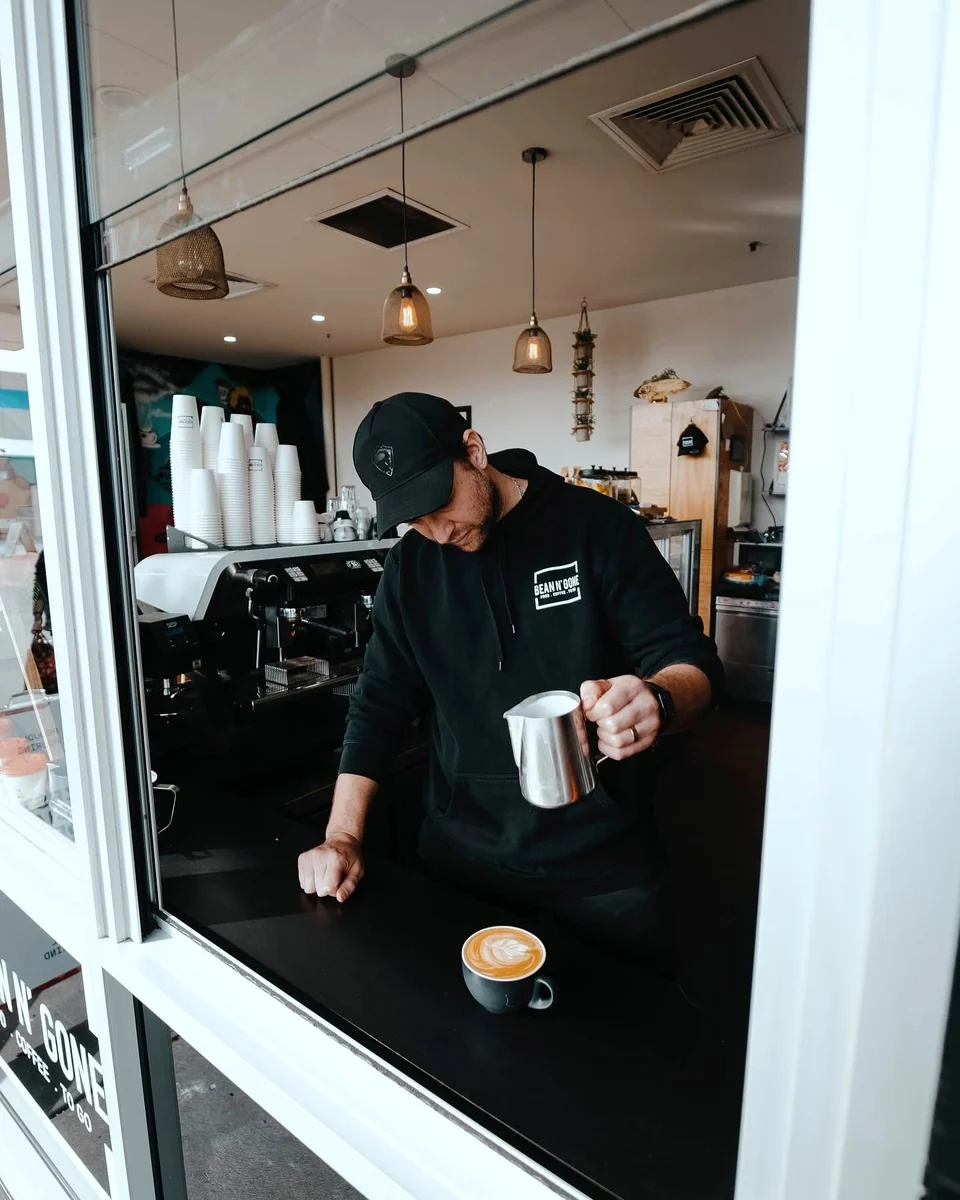
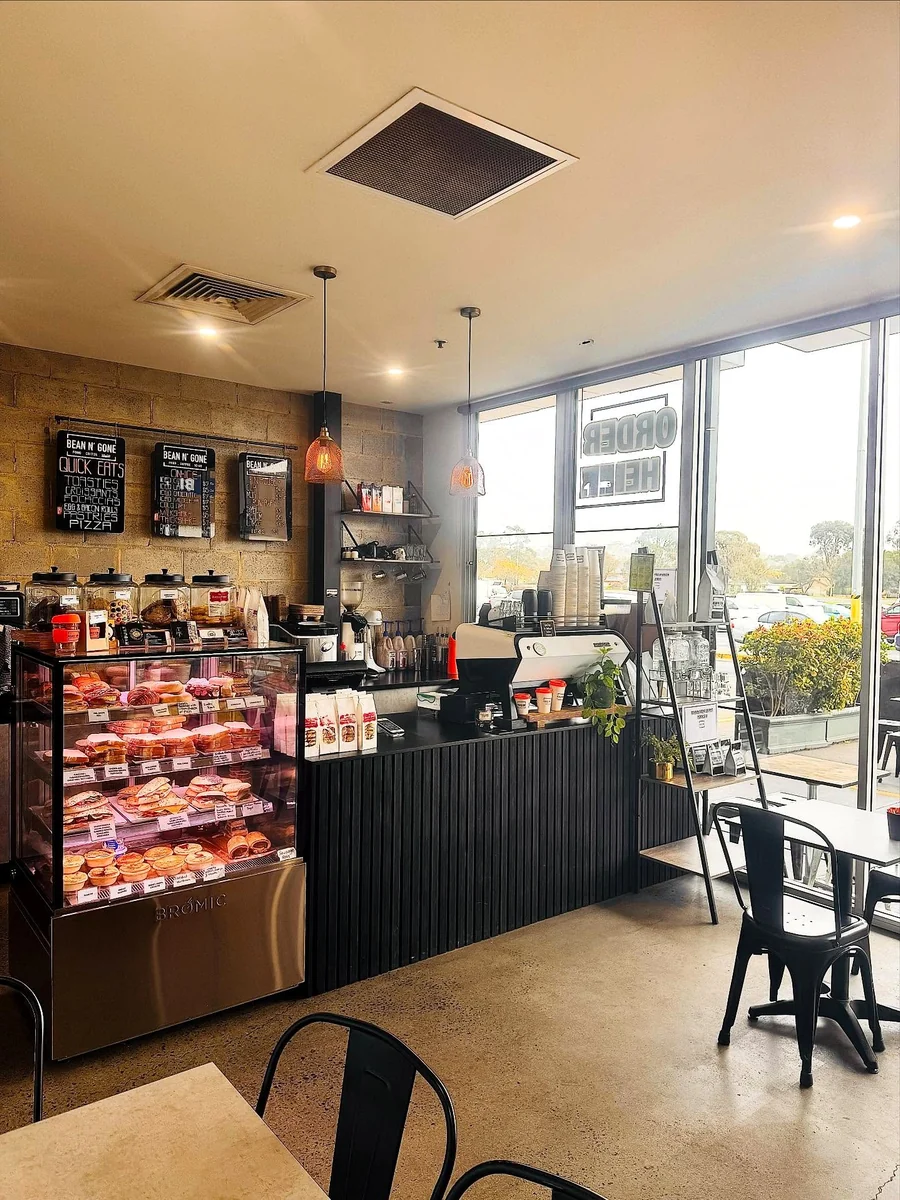
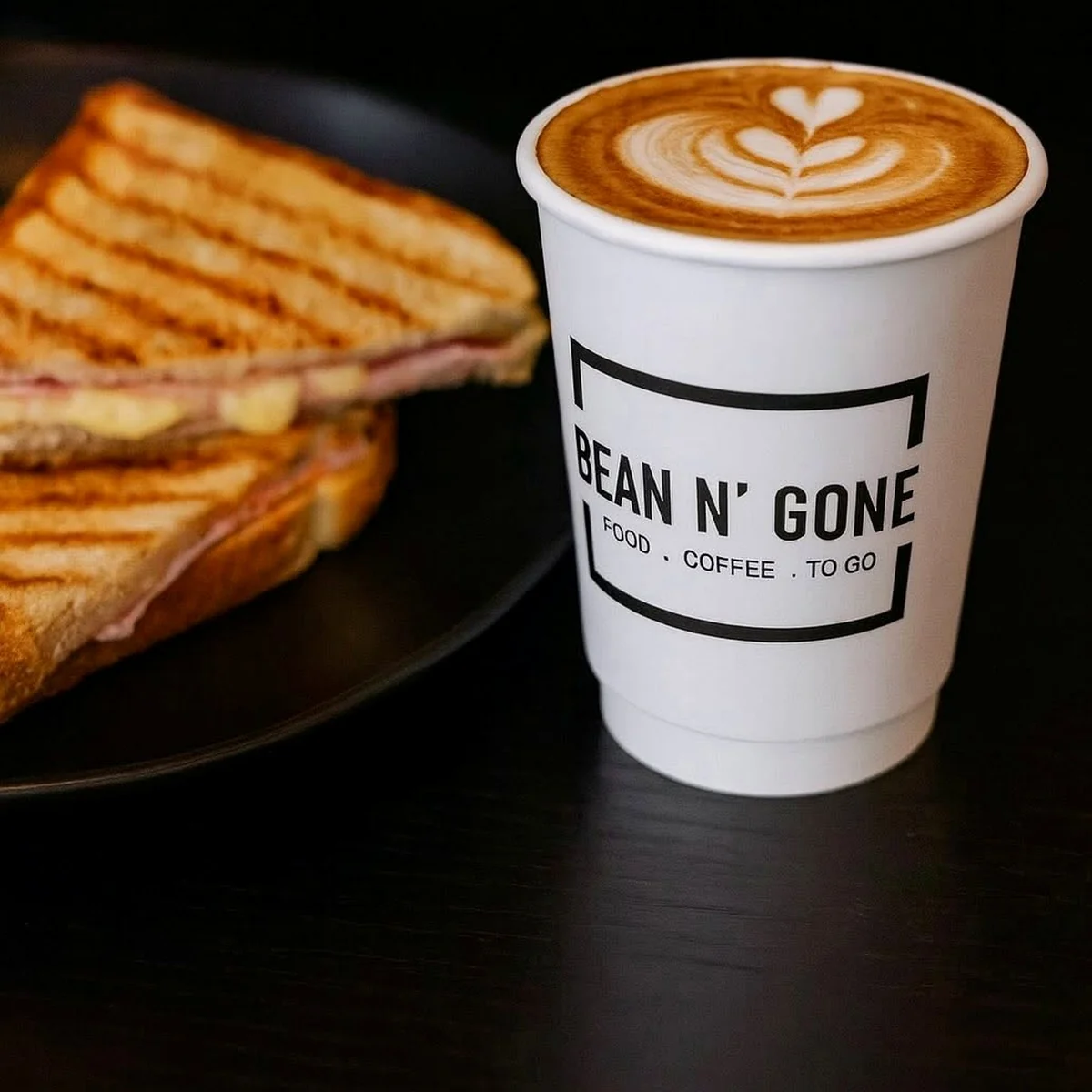
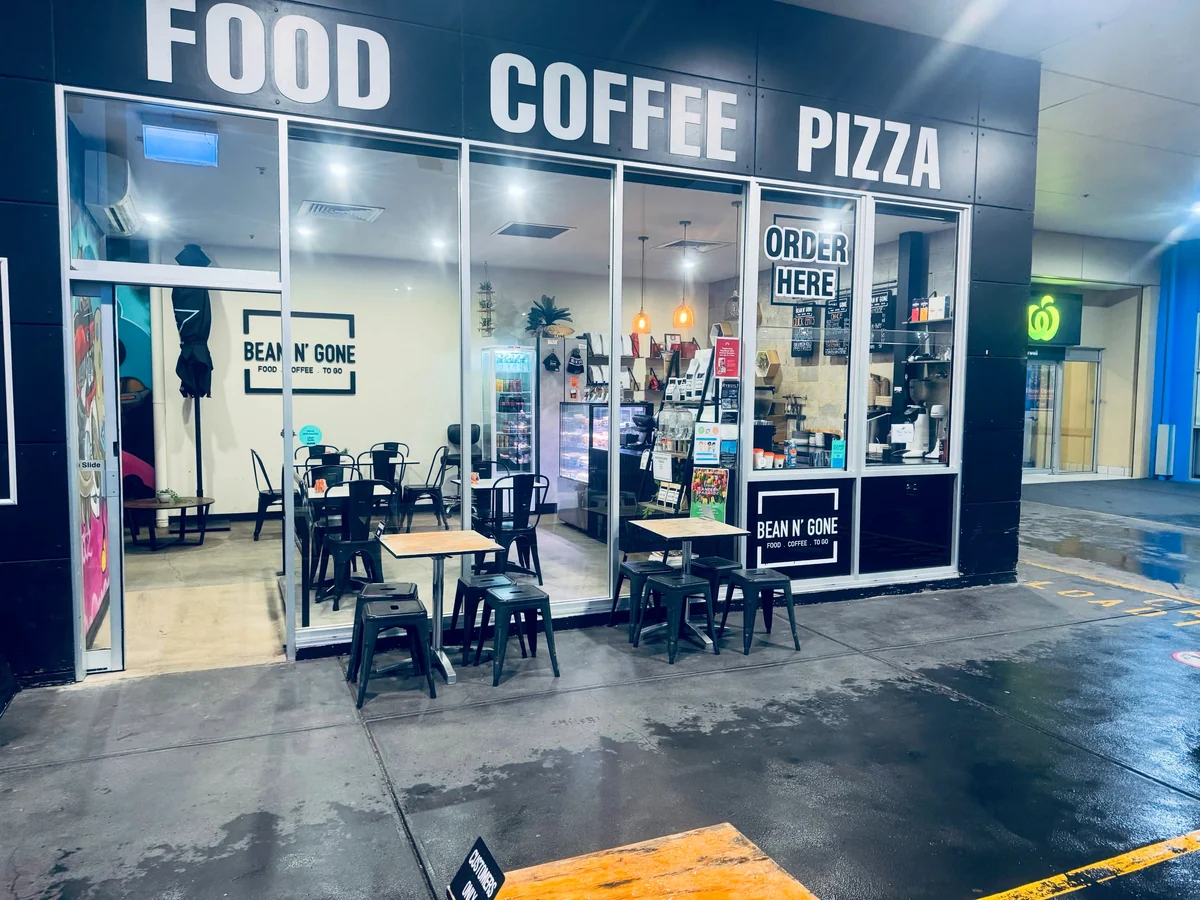
At Bean n' Gone in Morwell, the same question has a more everyday shape. The café can be encountered at two speeds. A coffee window suits a day already in motion. Indoor and outdoor tables offer somewhere to stay.
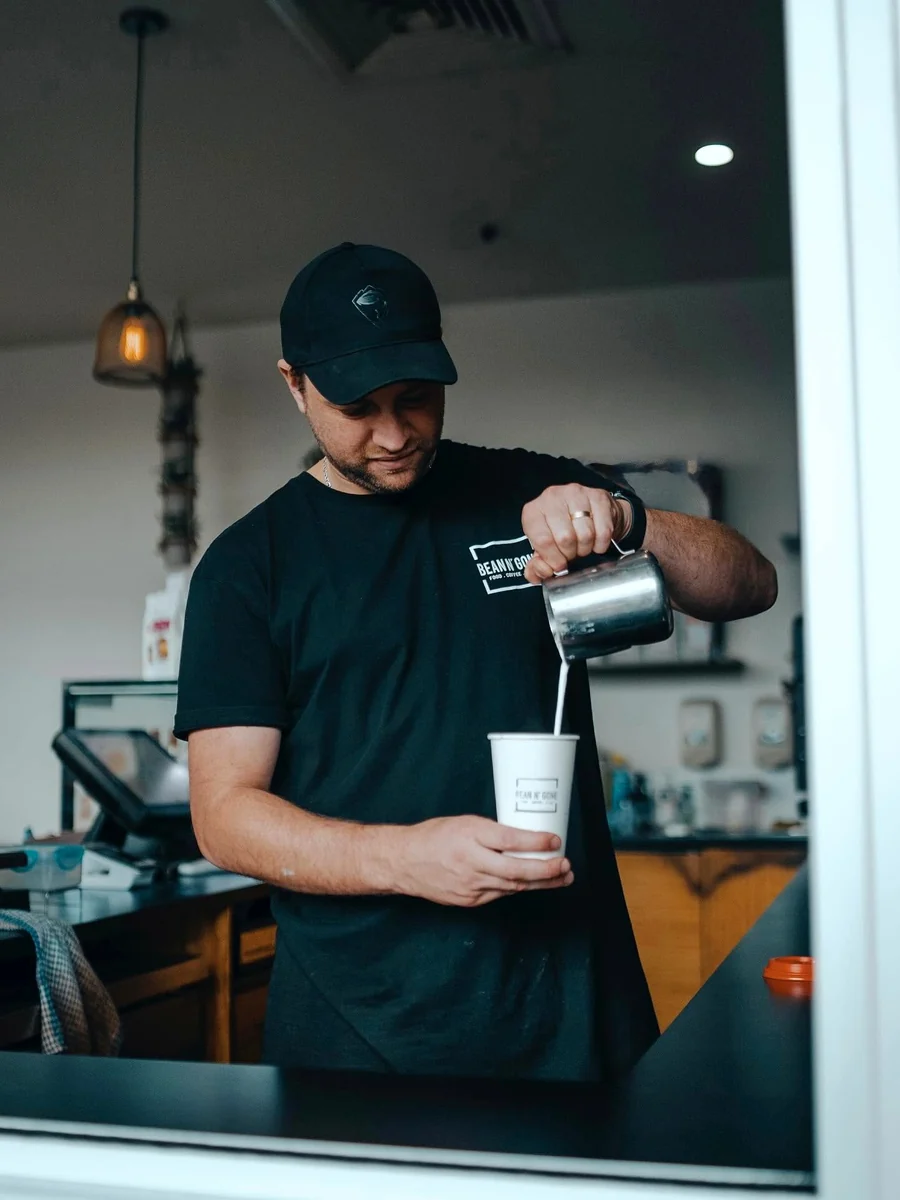
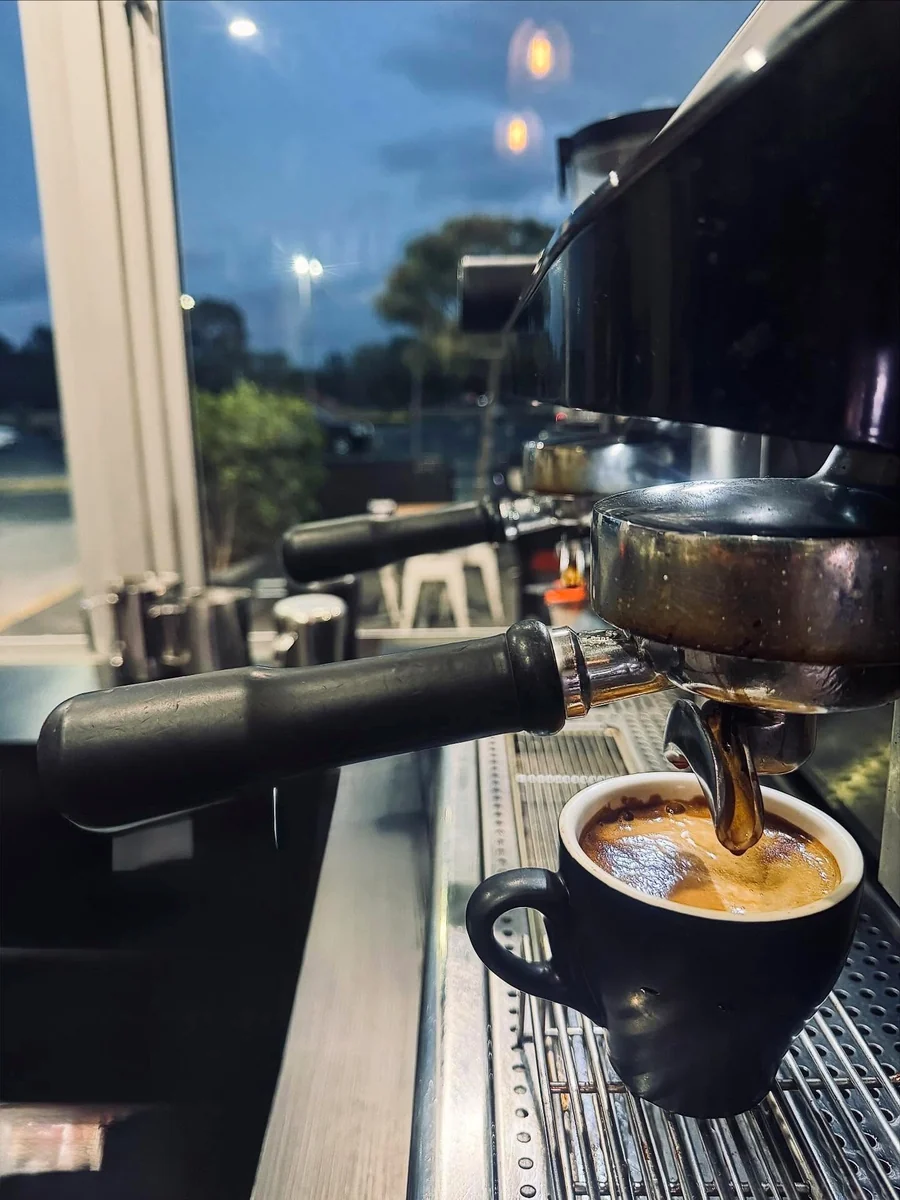
During one busy service, Dean served customers and brought us extra coffee. The gesture took only a moment. It placed work, attention and hospitality inside the same stretch of time. It also placed a familiar object at the centre of the question. Sometimes a second wind seems to arrive in a cup.
Caffeine promotes arousal by blocking the action of adenosine, one of the signals associated with the pressure to sleep. The lift can be real. The accumulated need for sleep can remain.
The body's daily timing adds another rhythm. An evening circadian signal can support wakefulness even after sleep pressure has been building. During this wake-maintenance zone, some forms of attention can sharpen while more complex thinking remains tired. Alertness and full recovery can move on different timelines. A person may genuinely feel more able to continue while some capacities remain tired.
Attention creates another kind of lift. Psychologists call it attention residue: part of the mind stays with unfinished work after a person has moved to the next task. The body may have reached the next place while attention is still arriving.
Anyone who has carried an unfinished morning into a café will recognise the shape of that experience. A pause can allow one demand to loosen its hold. The amount of energy may feel different because more attention is now available for the thing in front of us.
Coffee leads the story towards another possibility. In a café reward program, customers bought coffee more frequently as they approached a free one. One group received a card requiring ten purchases. Another received a twelve-space card with two spaces already stamped. Both groups had ten purchases remaining. The apparent head start helped the second group complete the card sooner.
The work remaining stayed the same. The felt distance changed. A finish line had become close enough to organise effort around it. The next step gained force because it could complete something. This kind of second wind belongs to motivation and perception. Progress changes how the remaining effort is understood.
Moses's life carries the question further. Arthritis changed what her hands could do. Painting carried her attention towards the scenes she wanted to make. Her life gives us one bounded fact: a method can end while the purpose finds another route. Continuation becomes possible because the form changes.
Time can also change what receives energy. Our sense of future time helps shape our priorities. An expansive horizon can favour exploration and future-oriented goals. A shorter horizon can bring emotionally meaningful goals and present relationships closer to the centre.
Chronological age can influence that horizon. Endings and major changes can alter it too. Some aims receive more attention as others receive less. Renewal can arrive through that concentration. The total field becomes smaller; what remains within it can feel more vivid and more possible. The choice also has a cost. Something receives the time, and something else waits or falls away.
A second wind may be a rise in arousal. It may be attention released from unfinished work, a finish line drawing nearer, a purpose finding another method, or a clearer choice about what deserves the time available. Each possibility can create a genuine feeling of renewed movement. Each changes something different.
Bean n' Gone gives the question two simple rhythms. The window lets the day keep moving. A table allows the pause to take its own time. Each choice can carry a different meaning from one visit to the next.
The extra coffee arrived during a busy service. Customers were being served; hospitality reached us too. It is a small Morwell moment, specific enough to hold a large question without settling it.
What comes back after a lull may be wakefulness, attention, direction, method or permission to choose. The answer can change from one journey to the next.
Image 1 of 6
First Light
First Light — Finding Your Second Wind | Bean and Gone Café, Mid Valley Shopping Centre
If the video does not load, watch it on YouTube.
Sources
- Leroy — Why Is It So Hard to Do My Work?
- Kivetz, Urminsky and Zheng — The Goal-Gradient Hypothesis Resurrected
- de Zeeuw and colleagues — The Alerting Effect of the Wake Maintenance Zone
- Daly and colleagues — The Role of Adenosine Receptors in the Central Action of Caffeine
- Smithsonian American Art Museum — Grandma Moses
- Carstensen — The Influence of a Sense of Time on Human Development
- Latrobe City — Bean n' Gone