
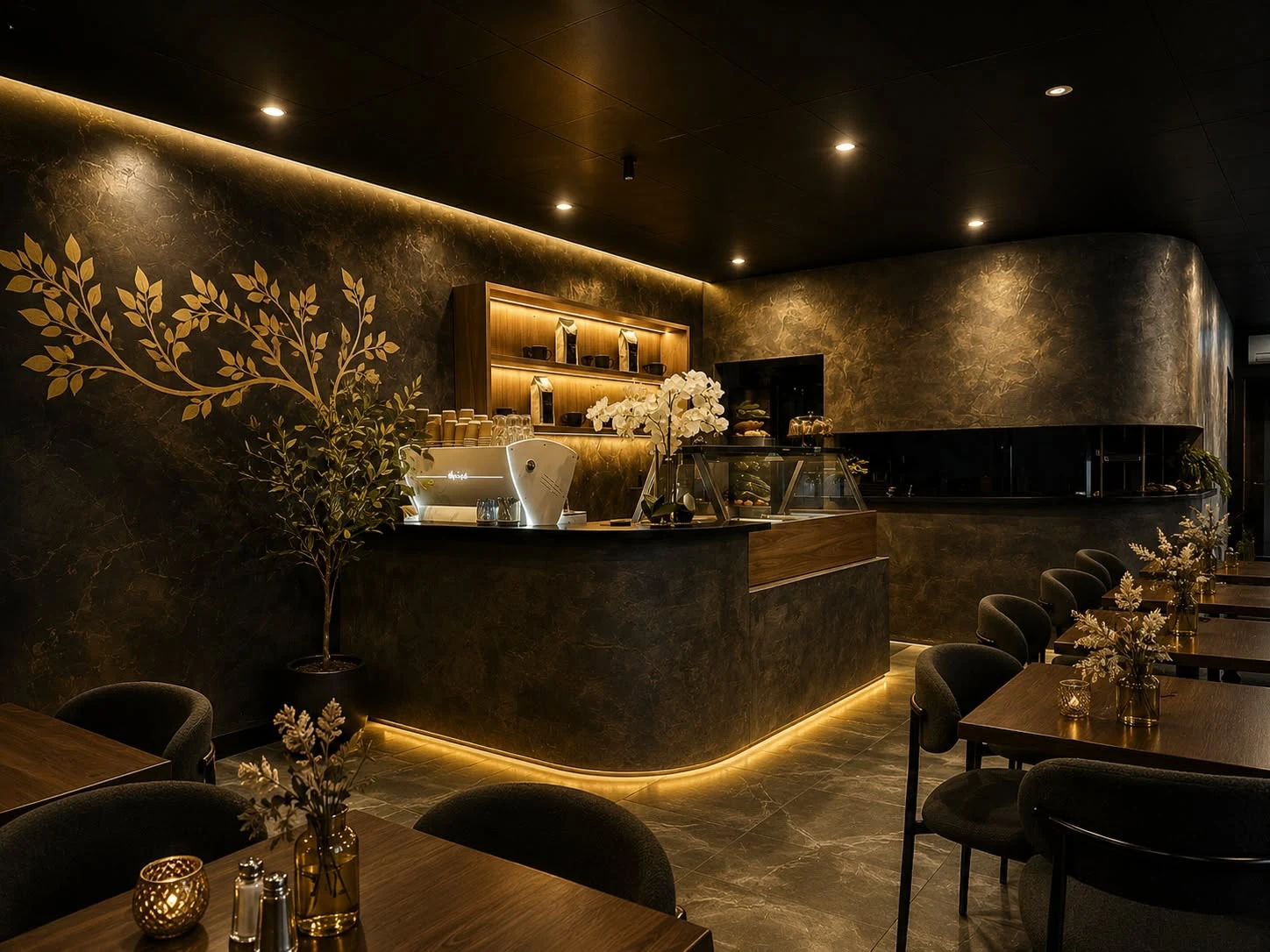
A novel can be waiting beside the chair while a cupboard keeps finding its way into your thoughts. There is time for a chapter. There is also the shelf that needs sorting, the message that could be answered, the small job that would leave something visibly finished.
Reading asks for twenty minutes. Explaining those twenty minutes can take longer.
That recognisable possibility opens the run sheet for First Light Episode 68, When Did You Stop Having Fun? Damian Andrews and Noel Blundell filmed the episode at The Grand Ceylon in Traralgon on 22 September 2026. Its question reaches into the small decisions through which a day becomes our own.
Pleasure has an awkward relationship with a completed task. The cupboard offers evidence: something has changed, and anyone can see it. A chapter offers the experience of reading. A favourite recording offers a voice arriving at the moment you know by heart. Their value can be intensely particular to the person giving them time.
Research by Gabriela Tonietto and colleagues examined what happens when people regard leisure as wasteful. Across four studies, that belief was associated with lower enjoyment, particularly when people pursued an activity for pleasure itself. Experiments also found reduced enjoyment after participants were prompted to view leisure as wasteful. Prompting them to regard it as productive supplied no equivalent increase.
The finding gives the unfinished chapter a second dimension. A gap in the calendar and a willingness to enjoy it are different things. The thought of a more useful activity can follow someone into the chair.
Responsibility deserves its full weight here. Caring for someone, earning a living and meeting a commitment consume real time. A person may enjoy doing work well, or choose a demanding practice because its achievement matters. Those choices carry value alongside the freedom to spend an afternoon on something whose pleasure is reason enough.
Then there is the way an activity is counted.
Jordan Etkin’s research on personal measurement included experiments involving walking and reading. Tracking could increase how much people did while reducing their enjoyment. Paying attention to output could make the activity feel more like work. The studies also examined circumstances in which goals and the purpose of an activity changed that relationship.
A number can answer a useful question. Someone preparing for a particular distance may want a clear record of progress. Someone absorbed in a story may care about what happens on the next page. The same measure can occupy a different place in each experience.
The tension remains with the person holding the record: the satisfaction of achievement, the pleasure of the activity, the reason for returning to it. Each can matter. Their relative importance can change from one day to another.
Company introduces another choice. The run sheet imagines a person leaving their guitar at home because they anticipate getting a chord wrong. An invitation to make music together can involve listening, joining, learning and keeping a song going. Taking a turn in front of an audience asks something different of the player.
Both occasions can be rewarding. A person may want the preparation and exposure of a performance. They may want to sit among friends and find their way into a familiar chorus. Knowing what the invitation offers gives them something more concrete to consider than an imagined verdict on their ability.
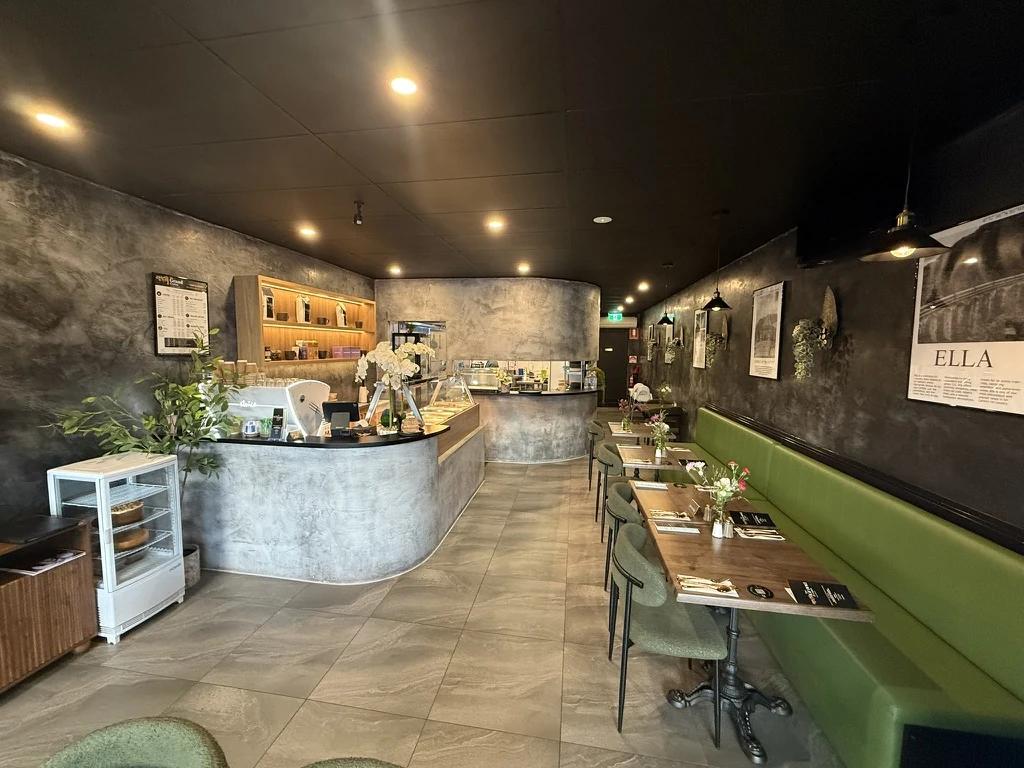
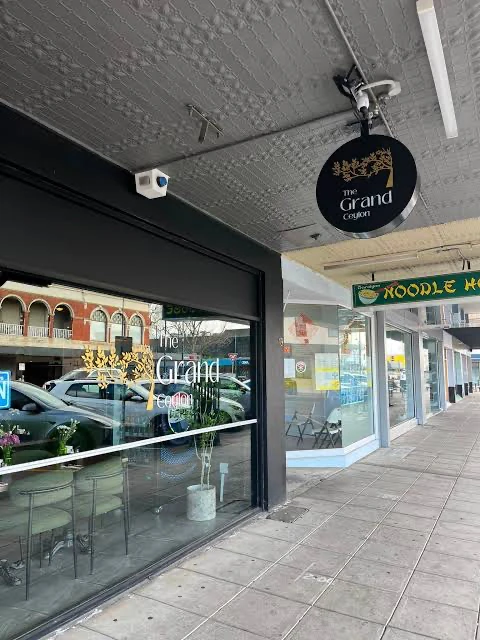
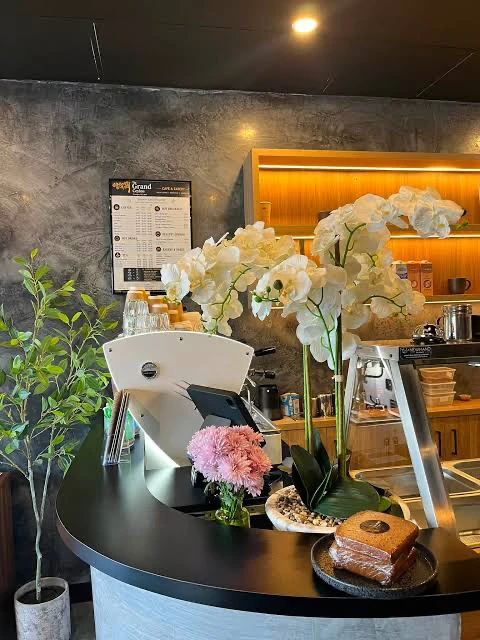
First Light brings this inquiry into an actual Latrobe filming location. The Grand Ceylon, a café and restaurant on Franklin Street, is part of the series’ continuing conversation with places across the region. Here, Damian and Noel give a shared question time in Traralgon. The companion profile provides the maintained route to the business and its contact details.
At The Grand Ceylon

A reader can continue with the full episode, or carry one part of the question into a conversation of their own. Someone else may remember a different pleasure, prefer a carefully planned occasion or find satisfaction in a skill that takes years. Enjoyment can have company, solitude, effort and familiarity inside it.
The novel is still beside the chair. The cupboard still has its claim on the afternoon. What each deserves belongs to the person whose time it is.
First Light
First Light — When Did You Stop Having Fun? | The Grand Ceylon, Traralgon
First Light explores how guilt, habit, comparison and the fear of being judged can get in the way of everyday enjoyment, through familiar moments of music, reading, food and time shared with others.
If the video does not load, watch it on YouTube.