 Eden of the East
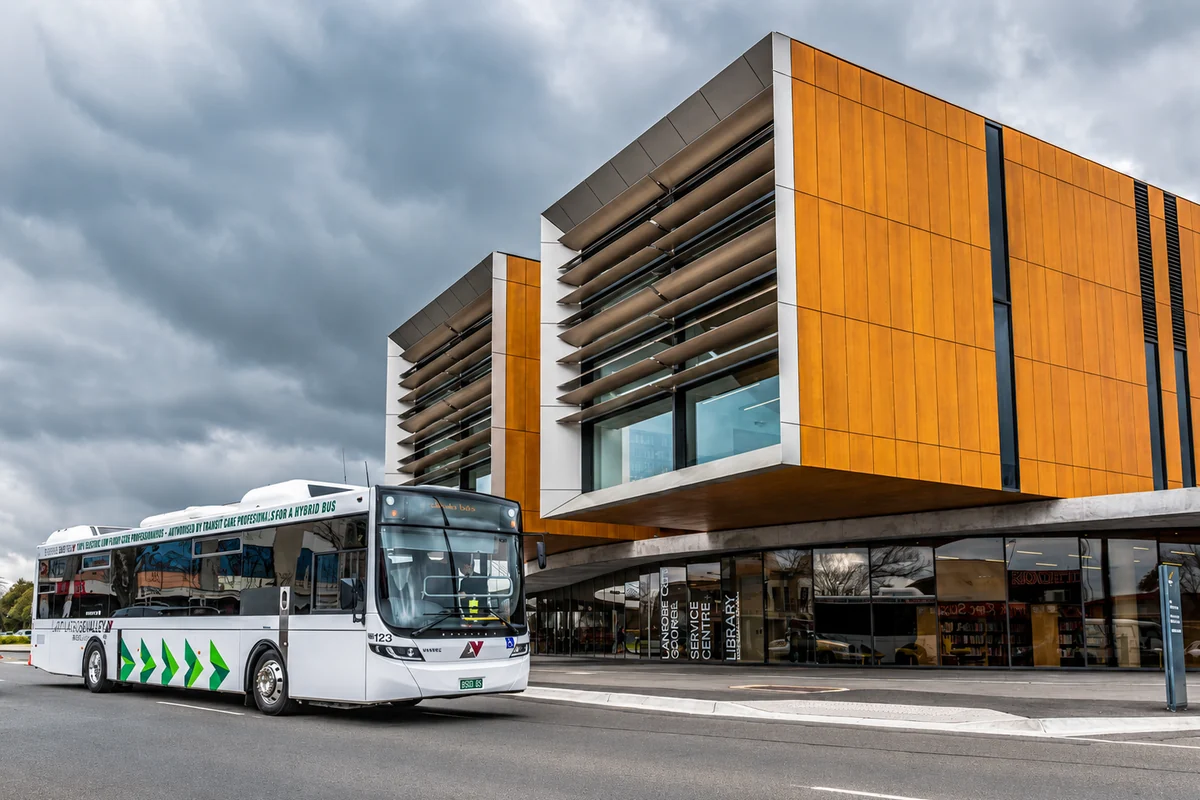
There is a particular freedom in arriving somewhere and letting the journey unfold. You step from the train, board a local bus and watch the region open around you. Streets become part of the experience. Town centres reveal their own rhythm. Gardens, murals, shopfronts and familiar community landmarks appear through the window. The journey itself begins telling the story of Latrobe City.
A network built around the Valley
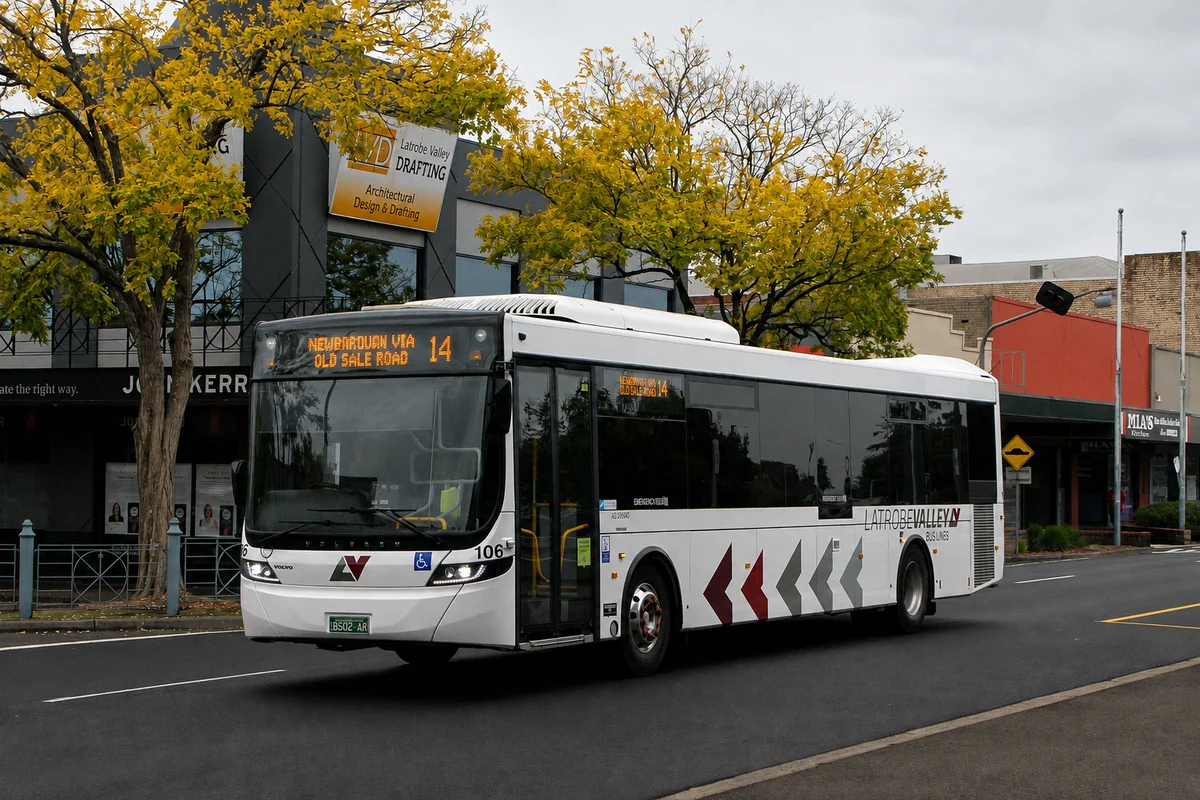
Latrobe City welcomes visitors with 22 numbered public bus routes connecting its towns, neighbourhoods and surrounding communities. Moe, Newborough, Morwell, Traralgon and Churchill sit at the centre of the network. Services also reach Yallourn North, Tyers, Yinnar, Boolarra, Hazelwood North and Traralgon South.
This is a region made for connected exploration.
A visitor arriving by V/Line can continue directly into the Valley. Route 1 links Moe, Morwell and Traralgon, creating a clear pathway through the region’s three principal town centres. From there, other routes branch through residential areas and towards the smaller communities that give Latrobe City its distinctive character.
The day can begin in Moe, with its town centre, nearby gardens and connections to Newborough. Morwell brings public art, green spaces and a landscape shaped by generations of industry, creativity and community life. Traralgon offers cafés, parks, shopping and an energetic urban centre. Each stop adds another layer to the visit.
The journey becomes part of the story
Other routes carry travellers deeper into the regional story.
The journey through Newborough, Yallourn North and Tyers moves across a landscape rich with memory. Established gardens, broad streets, industrial landmarks and close-knit communities reveal the story of the Latrobe Valley through place. South of the highway, services connecting Churchill, Yinnar and Boolarra lead into another landscape of town centres, farmland, local enterprise and community gathering places.
Bus travel creates time to look. The space between towns becomes meaningful. The changing landscape shows how the communities fit together while allowing each one to hold its own identity. A short ride can connect a mural walk with lunch, a garden with local history, or a railway arrival with an afternoon of discovery.
The network creates genuine independence for young travellers, older visitors, students and people choosing a car-free journey. It supports relaxed movement through the region and makes it possible to build a visit around public transport, walking and local experiences.
Moving the Valley since 1948
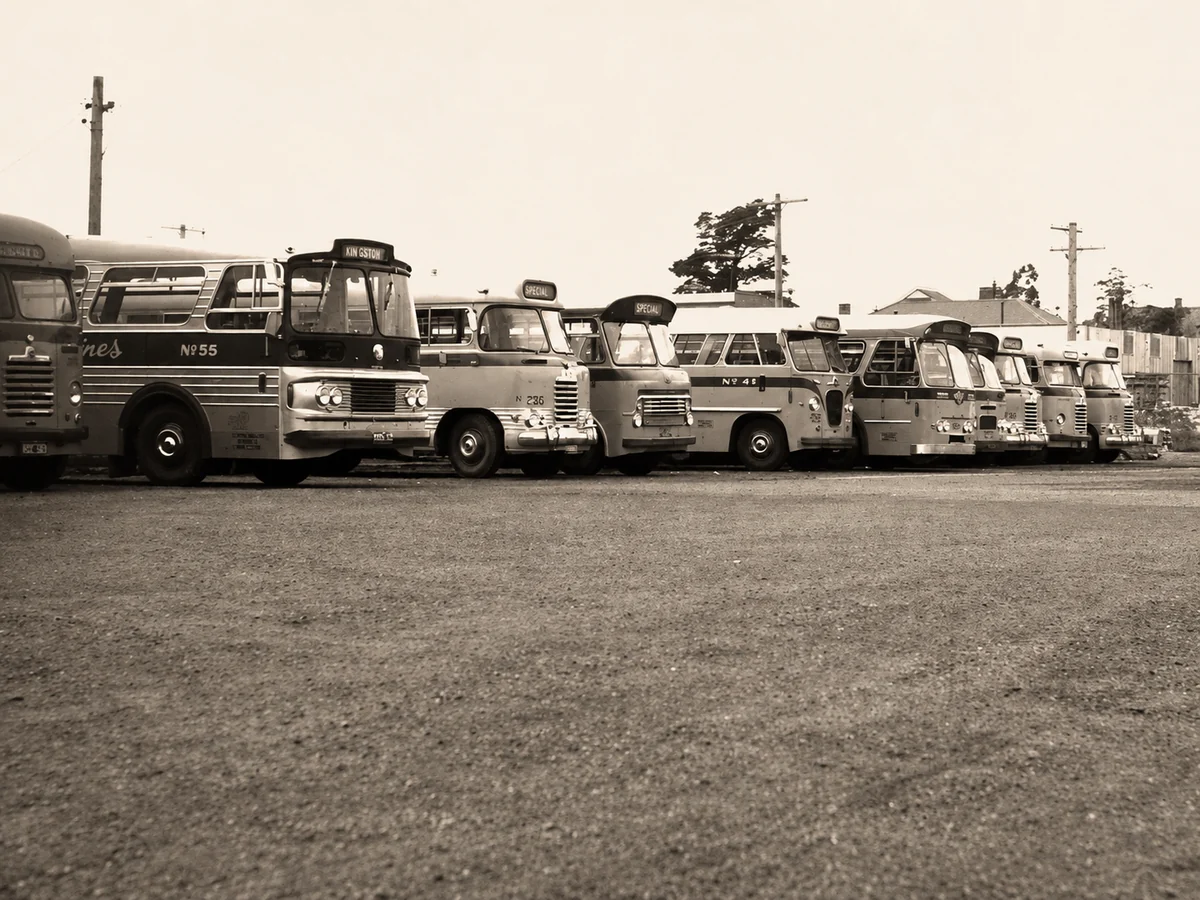
Behind every route is a local transport service that has connected the Valley since 1948. Drivers, mechanics, apprentices and support staff keep the region moving each day. The fleet has also included hybrid buses and regional Victoria’s first battery-electric public bus, linking a long local history with the future of regional travel.
Plan the route, then let the day unfold
A little planning unlocks the experience. Check the current timetable, choose a route and build the day around the places it connects.
Latrobe City is ready to be explored. Twenty-two routes provide the invitation: step aboard, settle in and discover the Valley one community at a time.
Sources
- Latrobe Valley Bus Lines, Timetables
- Latrobe Valley Bus Lines, About us
- Latrobe Valley Bus Lines, Regional Victoria’s First Electric Bus
- Transport Victoria, Journey planning and public transport information
- Volvo Buses, LVBL sees Volvo hybrids as a step towards full e-mobility
- User-supplied editorial draft, Twenty-Two Routes Through Latrobe City